


x

 أكريليك على كانفاسلوحات جداريةRomantic Neoclassical
 1883
1883 56.0 x 40.0 cm
 كلية الفنون الجميلة بجامعة كومبلوتنسي في مدريد
لوحة زيتية مرسومة يدوياً على الكانفاس بالمقاس والإطار الذي تفضله، تُنفذ حسب الطلب على أيدي فنانينا. ( التحويل للنسخة المطبوعة التبديل إلى الصورة)





























اختر من بين أحجامنا المُعدّة مسبقًا والتي تتطابق مع النسب الأصلية للعمل الفني.

يمكنك إدخال أبعادك الخاصة لتناسب إطارًا معينًا أو مساحة محددة. وإذا لم يتطابق الحجم الذي اخترته مع نسب الصورة الأصلية، فسنقوم إما بقص العمل الفني أو توسيع اللوحة بإضافة عناصر مرسومة يدويًا. سيتم إرسال نموذج رقمي إليك للموافقة عليه قبل بدء الإنتاج.
يرجى ملاحظة أن المعاينة على الشاشة لا تعكس عملية القص أو التوسيع الفعلية؛ حيث إن النموذج الرقمي وحده هو الذي سيوضح التكوين النهائي بدقة.
وعلى الرغم من توفر أحجام مخصصة، إلا أننا نوصي باختيار أبعاد من القائمة المحددة مسبقًا للحفاظ على النسب الأصلية للعمل الفني.
توصيل عالمي إلى خلال 3 إلى 4 أسابيع بدلاً من المدة المعتادة البالغة 5 أسابيع. (10 أغسطس). جودة لا تهاون فيها.


ميغيل أنجيل
مقاس النسخة المطبوعة
تعتبر لوحة "ميغيل أنجيل" التي قام بتأليفها ألبرت إرنست كاريير بيليوس في عام 1883 تحفة فنية فريدة تجسد مزيجًا رائعًا بين الأناقة الكلاسيكية والواقعية الطبيعية، وتعتبر من أبرز أعمال الفنان الذي استطاع أن يجمع بين أسلوبين مختلفين ليقدم للرسمة التشكيلية الفرنسية في تلك الحقبة رؤية جديدة ومؤثرة.
تتميز اللوحة بتصوير دقيق لشخصية ميغيل أنجيل، الرسام الإيطالي الذي يعتبر أحد أهم الشخصيات الفنية في تاريخ الفن الغربي، حيث قام كاريير بيليوس بتجسيد صورة الميغل أنجيل على قاعدة ذهبية، مما يضفي عليها لمسة من الترف والجمال الكلاسيكي. يعكس التصوير الواقعي للوجه والتعبير العاطفي الذي يحمله، بالإضافة إلى استخدام تقنية البراونيز التي كانت شائعة في ذلك الوقت، وعمقًا إضافيًا للتكوين الفني.
يعتبر كاريير بيليوس من أبرز الفنانين الذين استطاعوا أن يحافظوا على التراث الفني الفرنسي في القرن التاسع عشر، حيث كان له دور أساسي في تطوير الأسلوب التشكيلاتي وتكوينه، ويُعتبر مرشدًا للفنان بول رودن الذي أثره بشدة وعمل معه بشكل وثيق لتشكيل جيل جديد من الفنانين الفرنسيين.
تتميز اللوحة بتأثير قوي على المشاهد، حيث تثير العاطفة والتفكير في قصة حياة الميغل أنجيل وتاريخ الفن الغربي، وتعتبر إضافة قيمة لأي مجموعة فنية أو ديكور داخلي يهدف إلى إضفاء لمسة من الأناقة والجمال الكلاسيكي على المساحات المعيشية.
المصدر: المتحف البريطاني للفنون الجميلة
In the vibrant, shifting landscape of nineteenth-century French art, few figures possessed the versatility and technical mastery of Albert Ernest Carrier Belleuse. Born in 1824 in Anizy-le-Château, his journey into the world of fine art began not with the grand marble of academies, but with the delicate, precise hands of a goldsmith’s apprentice. This early immersion in the intricate details of precious metals instilled in him a lifelong reverence for texture and form, a foundation that would later allow him to navigate the complex transition from Neoclassical rigidity to the fluid grace of the burgeoning Art Nouveau movement.
His formal education at the École des Beaux-Arts under the tutelage of David D'Angers provided the structural discipline necessary for his ascent. Under D'Angers, Carrier Belleuse mastered the anatomical precision and classical ideals that would define much of his early repertoire. Yet, he was never a mere imitator of the past. As his career progressed, he began to infuse his works with a Romantic fervor, moving away from static perfection toward a more expressive, emotive realism. This evolution is perhaps most evident in his ability to capture movement and vitality, whether through the delicate porcelain collaborations during his time in England or his monumental bronze achievements in Paris.
The brilliance of Carrier Belleuse lay in his remarkable ability to synthesize disparate artistic movements into a singular, cohesive aesthetic. He possessed a unique talent for bridging the gap between the ornate elegance of the Rococo era and the raw, naturalistic energy of Realism. His works often feature a captivating interplay of light and shadow, particularly when working in bronze or terra cotta, where he could manipulate surfaces to suggest the softness of skin or the heavy drape of fabric.
His sculptural repertoire was as diverse as his influences:
Beyond his individual achievements, Carrier Belleuse holds a profound place in art history due to his role as a bridge between generations. Most notably, he served as a mentor to Auguste Rodin. While Rodin would eventually shatter the conventions of sculpture to create a new language of modernism, it was the foundational training and stylistic breadth provided by Carrier Belleuse that helped shape the early trajectory of the master of movement. Their collaborative efforts, such as those seen in the Brussels Stock Exchange, represent a fascinating intersection of established tradition and emerging innovation.
Decorated with the Légion d'honneur and a member of the Société Nationale des Beaux-Arts, his recognition was a testament to his immense contribution to French culture. As he transitioned from the delicate "carrier" signature to the more established "carrier-belleuse," his work became synonymous with the sophisticated aesthetic of the late nineteenth century. Today, his legacy endures not just in museums, but in the very DNA of modern sculpture, reminding us of a time when art could be simultaneously grand, decorative, and deeply human.

1824 - 1887 , France

Explore the rich history & enduring appeal of bronze sculpture with expert insights for collectors. Learn about casting techniques, iconic artists, collecting tips & contemporary interpretations at Most-Famous-Paintings.
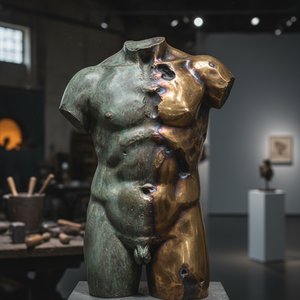
استكشف تاريخ النحت البرونزي وتقنياته العريقة، من صب الشمع المفقود إلى التحف المعاصرة. دليل شامل لجامعي الفن والمستثمرين والمهتمين بتقييم الأعمال الفنية.

Explore the captivating history of marble sculpture from ancient Greece to modern art. Discover renowned artists like Canova & Michelangelo, carving techniques, and investment insights at Most-Famous-Paintings.
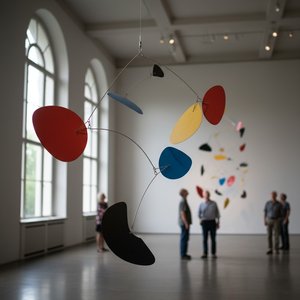
Explore the revolutionary world of Alexander Calder's kinetic sculptures & mobiles. Discover insights for collectors, acquisition advice, and the enduring legacy of this modern master. Expert analysis & art valuation.

Explore the rich history & enduring appeal of bronze sculpture with expert insights for collectors at Most-Famous-Paintings. Learn about casting techniques, iconic artists, and collecting tips to build a discerning art collection.


ابقَ على اطلاع بأحدث أخبار الفن، والعروض الحصرية، وأفكار الديكور.
أخبرنا عن مشروعك، وسيقدم لك خبراؤنا الفنيون 3 اقتراحات فنية مخصصة لك.
دعنا نختار لك ٣ خيارات مخصصة تماماً - مجاناً!


 معاينة الحجم الحقيقي
 مشاركة
 مشاركة
 التفاصيل

 تحميل الملف
 قطع مشابهة
 الأشعة السينية
 عرض شرائح
 عرض المزيد







 خيار الزجاج متاح فقط للمقاسات التي تقل عن 110 سم


