


x

Giclée печат или принт върху платно с музейно качество, бързо производство и гъвкави опции за завършен вид. ( Купете ръчно рисувана картина Купете изображение)





























Изберете от предварително зададените размери, които съответстват на оригиналните пропорции на произведението.

Можете да въведете собствени размери, за да паснат на конкретна рамка или пространство. Ако избраният от Вас размер не съвпада с пропорциите на оригиналното изображение, ние ще изрежем произведението или ще разширим изображението с огледален или едноцветен ръб. Дигитален макет ще бъде изпратен за Ваше одобрение преди започването на производството.
Моля, имайте предвид, че предпрегледът на екрана не отразява реалното изрязване или разширяване. Само макетът ще покаже точно финалната композиция.
Въпреки че са налични персонализирани размери, препоръчваме да изберете размер от предварително дефинирания списък, за да запазите оригиналните пропорции.
Доставка по целия свят () в рамките на 2 седмици вместо стандартните 4/5 седмици. (14 Август)


Аматьор
Размер на репродукцията
“Armchair,” created in 1904 by Nicholas Roerich, stands as a testament to the artistic fervor of the Art Nouveau movement and embodies a profound exploration of spiritual symbolism. This monochrome photograph captures not merely an object but a carefully considered composition that speaks volumes about Roerich’s aesthetic sensibilities.
The artwork's central focus is undeniably the armchair itself – a piece of furniture designed by Roerich, reflecting the stylistic trends prevalent in Europe at the time. Its form is deliberately understated yet imbued with subtle geometric patterns characteristic of Art Nouveau. These patterns aren’t simply decorative; they represent stylized human figures and architectural elements—visual metaphors for concepts rooted in Eastern mysticism and Theosophy, central to Roerich's intellectual pursuits.
The photographer skillfully employs diffused lighting, creating a soft aesthetic that enhances the textural qualities of both the chair upholstery and its wooden frame. Depth is achieved through slight overlaps within the composition, subtly guiding the viewer’s eye across the image. The perspective is straightforward, presenting the armchair from a frontal angle—a deliberate choice to emphasize its form and stability.
Born in Saint Petersburg in 1874, Nicholas Roerich (1874-1947) was more than just a painter; he was an archaeologist, writer, philosopher, and fervent advocate for cultural preservation. His upbringing fostered a dual engagement with intellectual rigor – his father’s profession instilled discipline – alongside artistic appreciation nurtured by his mother’s influence.
Roerich pursued simultaneous studies in law and art at St. Petersburg University and the Imperial Academy of Arts beginning in 1893, demonstrating an early commitment to a comprehensive understanding of the world. This wasn't mere academic curiosity; it fueled his belief that artistic vision required grounding in historical context and intellectual discipline.
He received his artist designation in 1897 and completed his law degree the following year—a remarkable achievement for someone dedicated to both disciplines. Roerich’s artistic journey was marked by explorations of diverse mediums, including painting, sculpture, graphic art, and theatrical design, cementing his reputation as a multifaceted creative genius.
“Armchair” exemplifies the core tenets of Art Nouveau—a movement that prioritized organic forms inspired by nature alongside geometric precision. Roerich’s designs deliberately juxtapose these elements, creating visual harmony while simultaneously conveying spiritual ideas. The stylized patterns on the chair's backrest and armrests aren’t merely decorative embellishments; they represent abstracted human figures and architectural motifs—symbols of interconnectedness and cosmic order.
These geometric shapes – triangles, squares, and rectangles – are arranged in a balanced asymmetry that reflects Roerich’s fascination with sacred geometry. The photographer's technique contributes to the overall mood by utilizing diffused lighting, which softens contours and enhances textural nuances. Subtle shading suggests the materiality of the upholstery fabric and frame—elements crucial to appreciating the artwork’s tactile qualities.
“Armchair” transcends its functional role as furniture; it becomes a conduit for Roerich's spiritual worldview. The photograph captures not only an object but also the artist’s profound respect for beauty, harmony, and the enduring power of symbolism—values that continue to resonate with audiences today.
Roerich’s artistic legacy extends far beyond his paintings and sculptures. He championed cultural preservation through tireless expeditions and scholarly research, documenting ancient civilizations and advocating for intercultural dialogue. His unwavering commitment to artistic integrity ensured that his work remained true to its spiritual core—a testament to the transformative potential of art as a vehicle for exploring profound philosophical concepts.


1874 - 1947 , Русия

Explore the captivating landscape paintings of Stephen Chaplin, renowned for his 'Treatment in Minors' series & unique blend of Pop Art and historical realism. Discover his artistic journey & emotional depth.
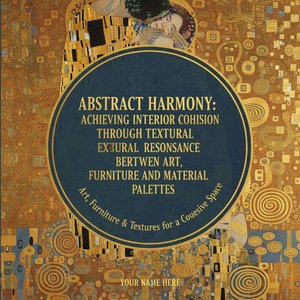
Открийте как хармоничното съчетание на изкуство, мебели и материали създава уникален интериор. Експертни съвети за луксозен дизайн и постигане на вътрешен кохерентност във вашия дом.

Explore the enduring legacy of geometric abstraction! Discover key artists, historical movements & investment insights for discerning art collectors. Expert guidance from Most-Famous-Paintings.

Explore the captivating history of geometric abstraction in art, from ancient roots to contemporary masters. Expert insights for collectors & enthusiasts. Discover key artists, movements & investment potential.

Explore the captivating art of Nicholas Roerich – a visionary painter whose Himalayan landscapes blend spiritual mysticism with cultural preservation. Discover his legacy & symbolism.


Бъдете информирани за последните новини в света на изкуството, ексклузивни оферти и идеи за декорация.
Разкажете ни за вашия проект и нашите експерти по изкуство ще ви предложат 3 персонализирани предложения за произведения на изкуството.
Нека подберем 3 варианта само за вас – безплатно!


 Представи си го
 Изпрати
 Сподели
 Детайли

 Изтегляне
 Подобни
 Рентгенова снимка
 Слайдшоу

 Прочетете повече







 Стъклото е налично само в размери под 110 см


