x

 Масло върху платноСтени и декорацияPost-Impressionism
 1890ти век
 81.0 x 65.0 cm
 Ohara Museum of Art
Ръчно рисувана маслена картина върху платно във вашия размер и рамка, изработена по поръчка от нашите художници. ( Превключване към печат Превключване към изображение)





























Изберете от предварително зададените размери, които съответстват на оригиналните пропорции на произведението.

Можете да въведете свои собствени размери, за да пасне на конкретна рамка или пространство. Ако избраният от вас размер не съответства на пропорциите на оригиналното изображение, ние ще изрежем произведението или ще удължим картината с допълнителни ръчно рисувани елементи. Дигитален макет ще бъде изпратен за ваше одобрение преди започване на производството.
Моля, обърнете внимание, че прегледът на екрана не отразява действителното изрязване или разширяване. Само макетът ще покаже точно финалния състав.
Въпреки че са налични персонализирани размери, препоръчваме да изберете размер от предварително дефинирания списък, за да запазите оригиналните пропорции.
Доставка по целия свят () в рамките на 3/4 седмици вместо стандартните 5 седмици. (8 Август). Без компромис с качеството.


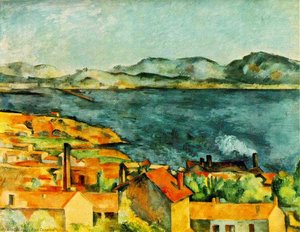
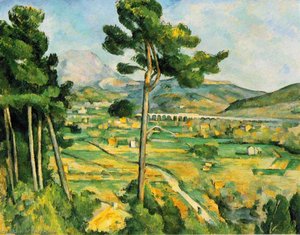
Хълмист пейзаж в Прованс
Размер на репродукцията
Paul Cézanne’s “Landscape,” painted in 1890, isn’t merely a depiction of a Provençal vista; it’s an invitation to step into a realm where observation transcends simple representation and delves into the very heart of perception. This work, housed within the National Gallery, stands as a pivotal moment in Cézanne's artistic evolution – a bridge between the fleeting impressions of Impressionism and the nascent explorations of Cubism. It captures not just what he *saw*, but how his eye, deeply rooted in the landscape of Aix-en-Provence, *felt* the world around him. The painting presents a modest village nestled amidst rolling hills under an overcast sky, a scene imbued with a profound sense of quietude and timelessness that speaks to the enduring allure of rural life.
Cézanne’s genius lies in his deliberate rejection of traditional perspective. He abandons the illusionistic depth achieved through linear convergence, instead employing a revolutionary technique – flattening the picture plane and utilizing variations in color intensity and layering to create an impression of spatial recession. Notice how the buildings, initially appearing closer, gradually recede into the distance, not through vanishing points but through subtle shifts in hue and tone. This isn’t a photograph; it's a carefully constructed representation of Cézanne’s internal vision.
The brushstrokes themselves are remarkably expressive – loose, confident, and imbued with a palpable energy. Cézanne masterfully employs impasto, applying thick layers of paint to the canvas, particularly on the hillsides and buildings. This tactile technique not only adds texture but also intensifies the colors, creating a vibrant, almost sculptural effect. The composition is built upon simplified geometric forms – cylinders, spheres, and cones – subtly hinting at the underlying structure of nature. These shapes aren’t merely decorative; they represent Cézanne's attempt to understand and reconstruct the fundamental building blocks of reality.
Furthermore, the painting demonstrates a masterful use of color. The muted palette—dominated by blues, greens, and browns—evokes the atmospheric conditions of Provence, while strategically placed bursts of brighter hues – yellows, reds, and oranges – draw the eye and create focal points. Cézanne’s approach to color is profoundly subjective; he uses it not to mimic reality but to convey his emotional response to the landscape.
Born and largely residing in Aix-en-Provence, France, Cézanne possessed an enduring fascination with his native land. This painting is deeply intertwined with that connection. Initially influenced by Romanticism and Realism, he gradually moved towards a more personal and expressive style, absorbing lessons from Neo-Impressionists like Georges Seurat and Post-Impressionist contemporaries such as Paul Gauguin. Cézanne’s unwavering commitment to capturing the essence of form over fleeting impressions distinguished him as a truly innovative artist. He wasn't simply painting *what* he saw, but *how* he perceived it – a radical shift in artistic thinking that would profoundly impact generations of artists.
While not overtly symbolic, “Landscape” resonates with a powerful sense of nostalgia and tranquility. The subdued tones, punctuated by vibrant hues, suggest the subtle beauty found within the natural world. The village itself represents a connection to tradition and a simpler way of life – a refuge from the complexities of modern existence. There’s an underlying emotional weight to the scene—a quiet contemplation that invites viewers to pause and reflect on their own relationship with nature and place. It's not a dramatic or sensational landscape, but one that speaks to the enduring power of peaceful observation and the restorative quality of rural life.


1839 - 1906 , Франция

Explore the transformative era of Post-Impressionism. Discover how masters like Van Gogh moved beyond light to embrace emotion, structure, and vibrant color, redefining modern art history through expressive brushwork and symbolic depth.


Бъдете информирани за последните новини в света на изкуството, ексклузивни оферти и идеи за декорация.
Разкажете ни за вашия проект и нашите експерти по изкуство ще ви предложат 3 персонализирани предложения за произведения на изкуството.
Нека подберем 3 варианта само за вас – безплатно!


 Представи си го
 Изпрати
 Сподели
 Детайли

 Изтегляне
 Подобни
 Рентгенова снимка
 Слайдшоу
 Прочетете повече







 Стъклото е налично само в размери под 110 см