Anton Raphael Mengs (1728–1779): A Bridge Between Baroque Grandeur and Neoclassical Idealism
Anton Raphael Mengs stands as a pivotal figure in the artistic landscape of the late 18th century, marking a decisive transition from the opulent excesses of Baroque to the refined clarity championed by Neoclassicism. Born in Ústí nad Labem, Bohemia (now Czech Republic) on March 12, 1728, his life was inextricably linked with intellectual currents that reshaped European aesthetics and cemented his legacy as one of the era’s foremost painters.
- Early Life & Family Background: Mengs' father, Ismael Mengs, a Danish painter who had found patronage at Dresden’s court, recognized young Anton’s exceptional talent early on. This recognition propelled their family to Dresden where his mother Charlotte Bormann was employed as housekeeper. The birth of Mengs’ children in Ústí nad Labem was a calculated move by Ismael to conceal the paternity of his illegitimate offspring—a testament to the social complexities of the time.
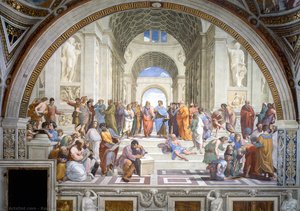
- Roman Apprenticeship & Influence of Raphael: At the age of 13, Mengs embarked on a transformative journey to Rome, where he immersed himself in the study of ancient masterpieces and the works of Renaissance titans like Raphael. This exposure profoundly shaped his artistic sensibilities, instilling within him an unwavering reverence for classical form, symmetry, and composition—principles that would become central to his mature style.
- Career Across Courts: Mengs’ artistic trajectory unfolded across several influential European courts – Dresden, Madrid, Naples – each contributing uniquely to his evolving aesthetic vision. His frescoes at Villa Albani in Rome exemplify the Baroque's dramatic flair tempered by Neoclassical restraint, showcasing his mastery of spatial illusion and monumental decoration.
- The Winckelmann Connection & Neoclassical Philosophy: Mengs’ intellectual partnership with Johann Joachim Winckelmann proved instrumental in shaping Neoclassicism’s philosophical foundations. Together, they advocated for an aesthetic rooted in reason, order, and idealized forms—a stance that profoundly impacted artistic discourse and practice.
- Legacy & Artistic Achievements: Mengs' enduring influence extends beyond his celebrated paintings – including *The Dream of Joseph* and the ceiling fresco at the Royal Palace in Madrid – to his role as director of the Vatican Painting School, nurturing a new generation of artists dedicated to upholding classical ideals. His meticulous portraits, particularly those executed with pastel, continue to captivate audiences today, securing his place as an icon of Neoclassical artistry.
Mengs’ artistic output embodies the harmonious synthesis of Baroque grandeur and Neoclassical idealism—a testament to his genius and a cornerstone of European art history.