x

Håndmalet olie på lærred i din valgte størrelse og ramme, udført efter bestilling af vores kunstnere. ( Køb print Køb billede)





























Vælg mellem vores forudindstillede størrelser, der matcher kunstværkets originale proportioner.

Du kan indtaste dine egne mål for at passe til en bestemt ramme eller plads. Hvis den valgte størrelse ikke stemmer overens med det originale billedes proportioner, vil vi enten beskære kunstværket eller udvide maleriet med yderligere håndmalede elementer. En digital skitse sendes til din godkendelse, før produktionen påbegyndes.
Bemærk venligst, at forhåndsvisningen på skærmen ikke afspejler den faktiske beskæring eller udvidelse. Kun skitsen vil nøjagtigt vise den endelige komposition.
Selvom specialmål er mulige, anbefaler vi at vælge en dimension fra den foruddefinerede liste for at bevare de originale proportioner.
Levering i hele verden () på 3/4 uger i stedet for de standard 5 uger. (15 august). Ingen kompromiser med kvaliteten.


Snowy Landscape
Størrelse på reproduktion
In the vast canon of Impressionism, where sunlight often dances upon skin and vibrant gardens overflow with color, Pierre-Auguste Renoir’s Snowy Landscape (1875) emerges as a rare and poignant departure. While his contemporaries like Monet frequently sought the ephemeral glow of sunlit haystacks or water lilies, Renoir turned his gaze toward a more hushed, monochromatic world. This masterpiece, currently held in the prestigious Musée de l'Orangerie, captures a moment of profound stillness, inviting the viewer to step into a realm where the biting chill of winter is softened by the artist’s tender touch. It is not merely a depiction of frost and ice, but an exploration of how light breathes life into even the most dormant seasons.
The composition unfolds with a delicate balance of depth and atmosphere. In the foreground, a cluster of bare, skeletal trees anchors the scene, their dark, textured branches rendered through Renoir’s signature broken brushstrokes. These limbs do not merely exist; they interact with the light, catching subtle glints of winter brightness. As the eye wanders toward the midground, a vast expanse of snow-covered earth stretches toward the horizon, punctuated by the distant, ghostly silhouettes of buildings. Through the masterful use of aerial perspective, Renoir allows the colors to recede and soften, creating an illusion of infinite space that pulls the observer into the quietude of the French countryside.
To look closely at this canvas is to witness a revolution in perception. Renoir famously challenged the notion that snow is simply white. Through his experimental Impressionist technique, he demonstrates that a snowscape is actually a mirror, reflecting the entire spectrum of the environment. Within the drifts, one can discern cool blues borrowed from the winter sky and muted, earthy tones absorbed from the surrounding hedges and trees. This refusal to rely on pure white allows the painting to vibrate with a hidden energy; the shadows are not merely dark, but are infused with greenish and rust-colored hues that suggest the presence of life beneath the frozen surface.
This technical brilliance serves a deeper emotional purpose. The painting captures the tension between the harshness of nature and the serenity of the moment. There is a palpable sense of tranquility—a quietude so deep one can almost hear the muffled silence that follows a heavy snowfall. For the collector or the interior designer, this piece offers more than just aesthetic beauty; it provides an emotional anchor. Its muted palette of browns, whites, and soft blues makes it a versatile and sophisticated addition to any curated space, offering a sense of calm and contemplative grace that complements both modern minimalist settings and classic, traditional interiors.
Historically, this work represents Renoir during his formative years as an Impressionist, a period marked by a radical break from the rigid academic standards of the Salon. It reflects the movement's core philosophy: the pursuit of the subjective experience over objective reality. While Renoir himself famously remarked on his personal aversion to the cold—once jokingly referring to snow as "Mother Nature's leprosy"—his ability to find beauty in this frozen landscape speaks to his unparalleled empathy as an artist. He does not paint the cold to make us shiver, but to make us feel the profound peace of a world at rest.
Owning a high-quality reproduction of Snowy Landscape is an opportunity to bring a piece of art history into the home—a fragment of a time when artists first learned to see the world not as a collection of objects, but as a symphony of light and emotion. Whether placed in a sunlit gallery or a cozy study, this painting serves as a perennial reminder of the beauty found in stillness and the enduring magic of the Impressionist vision.

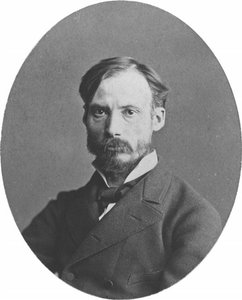
1841 - 1919 , Frankrig

Oplev Renoirs 25 mest ikoniske malerier! Fordyb dig i Impressionismens verden, fra 'Bal du moulin de la Galette' til 'Umbrellas'. Køb museumskvalitets reproduktioner og find inspiration til din bolig på Most-Famous-Paintings.com.

Oplev sneens magi i 10 ikoniske malerier! Fra Monet til Munch – udforsk historierne bag berømte værker, teknikker og kunstnernes vision. Find inspiration til dit hjem med museumskvalitets reproduktioner på Most-Famous-Paintings.com

Explore the captivating world of Pierre-Auguste Renoir! Discover his life, iconic Impressionist masterpieces & enduring legacy with our expert guide. High-quality reproductions available.

Oplev impressionismens magi! Dyk ned i historierne bag 10 ikoniske malerier af Monet, Degas, Renoir og Van Gogh. Find inspiration til dit hjem med museumskvalitets reproduktioner på Most-Famous-Paintings.com – din kilde til smuk vægkunst og tidløs dekoration.

Oplev impressionismens magi! Dyk ned i historierne bag 10 ikoniske malerier fra Monet, Degas og Renoir. Find inspiration til din indretning med smukke kunsttryk af høj kvalitet på Most-Famous-Paintings.com – museumskvalitet direkte til dit hjem. Udforsk samlingen online!


Hold dig opdateret med de seneste kunstnyheder, eksklusive tilbud og indretningsideer.
Fortæl os om dit projekt, og vores kunsteksperter vil give dig 3 personlige kunstforslag.
Vi kuraterer 3 valgmuligheder kun til dig – Gratis!


 Se i fuld skala
 Del
Del Del
Del
 Detaljer

 Download
 Lignende værker
 Røntgenundersøgelse
 Diasshow


 Se mere







 Glasmulighed er kun tilgængelig i størrelser under 110 cm