x

 Άνθρακα και λάδι σε καμβάΕκθέσιμα Έργα ΤέχνηςΚυβισμός
 1903Μοντέρνα εποχή
 37.0 x 45.0 cm
Εκτύπωση giclée ή σε καμβά ποιότητας μουσείου με γρήγορη παραγωγή και ευέλικτες επιλογές φινιρίσματος. ( Μετάβαση σε χειροποίητη ζωγραφική Μετάβαση σε Εικόνα)





























Επιλέξτε από τις προκαθορισμένες διαστάσεις μας που διατηρούν τις αρχικές αναλογίες του έργου τέχνης.

Μπορείτε να εισαγάγετε δικές σας διαστάσεις ώστε να ταιριάξουν με ένα συγκεκριμένο πλαίσιο ή χώρο. Εάν το επιλεγμένο μέγεθος δεν συμπίπτει με τις αναλογίες της πρωτότυπης εικόνας, θα κόψουμε το έργο τέχνης ή θα επεκτείνουμε την εικόνα με καθρεφτισμένη ή μονόχρωμη ατέλεια. Θα σας αποσταλεί ένα ψηφιακό mockup για έγκρισή σας πριν από την έναρξη της παραγωγής.
Παρακαλούμε σημειώστε ότι η προεπισκόπηση στην οθόνη δεν αντικατοπτρίζει την πραγματική κοπή ή επέκταση. Μόνο το mockup θα δείξει με ακρίβεια την τελική σύνθεση.
Παρόλο που είναι διαθέσιμες προσαρμοσμένες διαστάσεις, προτείνουμε την επιλογή μιας διάστασης από τη προκαθορισμένη λίστα για τη διατήρηση των αρχικών αναλογιών.
Παγκόσμια Αποστολή () σε 2 εβδομάδες αντί για τις συνήθεις 4/5 εβδομάδες. (7 Αύγουστος)


Το Σούπ
Διαστάσεις Αναπαραγωγής
Pablo Picasso's "The Soup," painted in 1903, is more than just a depiction of two women sharing a bowl; it’s a poignant distillation of early 20th-century anxieties and a remarkably prescient glimpse into the artist’s burgeoning Cubist vision. Measuring a modest 37 x 45 centimeters, this oil on canvas radiates an intense emotionality achieved through bold color choices and expressive brushwork – hallmarks of Picasso's Expressionist phase. The painting immediately draws the viewer in with its predominantly blue palette, a signature hue of that period reflecting themes of poverty, loneliness, and social hardship prevalent in Barcelona at the time.
At first glance, the scene is deceptively simple: two women stand side-by-side, one offering a bowl of soup to a younger child. The woman on the left, distinguished by her cascading, almost theatrical hair, exudes a quiet dignity while simultaneously conveying a sense of vulnerability. Her dress, rendered in muted tones, contrasts subtly with the brighter hues used for the child and the soup itself. The other woman, positioned slightly behind, gazes intently at the offering, her expression a mixture of concern and perhaps even gratitude. The background, a wash of blue punctuated by a cup and a spoon, serves to anchor the scene within a domestic setting, yet it feels simultaneously detached and dreamlike.
Picasso’s inspiration for “The Soup” is deeply rooted in the social realities of his time. The painting directly references a sketch he made while visiting the Saint-Lazare women's prison in Paris, where he observed a starving woman being assisted by a benevolent figure – an image that profoundly impacted him. This encounter underscored the stark contrast between privilege and poverty, a theme that would continue to resonate throughout Picasso’s oeuvre. The act of charity depicted here isn’t merely a gesture; it’s a powerful symbol of human connection and compassion in the face of adversity.
Interestingly, the ambiguity surrounding the women's roles – is the older woman giving or receiving? – adds another layer of complexity to the work. This deliberate vagueness invites interpretation and encourages viewers to contemplate the dynamics of generosity and need. The soup itself becomes a potent symbol of sustenance, not just for the body but also for the soul.
“The Soup” is often considered a crucial stepping stone in Picasso’s artistic evolution, foreshadowing his later embrace of Cubism. The painting's flattened perspective, fragmented forms, and simultaneous representation of multiple viewpoints – subtle yet undeniably present – anticipate the radical geometric abstractions that would characterize his groundbreaking work in the years to come. The use of bold color blocks and simplified shapes, reminiscent of African masks and Iberian sculpture (a significant influence on Picasso at this time), hints at a move away from traditional realism towards a more conceptual approach to representation.
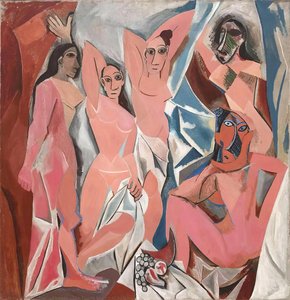
Notably, “The Soup” shares stylistic similarities with his earlier masterpiece, *Les Demoiselles d’Avignon*, though it lacks the overt confrontational nature of that work. Both paintings demonstrate Picasso's willingness to challenge conventional artistic norms and explore new ways of depicting human figures – a characteristic that would define his legacy as one of the most revolutionary artists of the 20th century. The painting’s influence extends far beyond its immediate context, paving the way for subsequent movements like Abstract Expressionism and Pop Art.
“The Soup” remains a captivating work of art, offering a glimpse into Picasso's early artistic explorations and his profound engagement with social issues. Its emotional intensity, symbolic depth, and foreshadowing of Cubist principles make it a significant addition to the artist’s body of work. Reproductions of this evocative painting capture not only its visual beauty but also the enduring power of its message – a reminder of our shared humanity and the importance of compassion in a world often marked by hardship.
For those seeking to experience the profound impact of “The Soup,” Most-Famous-Paintings offers meticulously crafted, hand-painted reproductions that faithfully capture the painting’s original vibrancy and emotional resonance. Explore our collection today and bring this iconic artwork into your home or office – a testament to Picasso's genius and a celebration of human connection.


1881 - 1973 , Ισπανία

Ανακαλύψτε τα 25 πιο εμβληματικά έργα τέχνης του Pablo Picasso! Μπλε περίοδος, κυβισμός & Guernica: ιστορίες, τεχνικές και η διαχρονική αξία τους. Βρείτε αναπαραγωγές υψηλής ποιότητας για να εμπνεύσετε τον χώρο σας στο Most-Famous-Paintings.com.
Ανακαλύψτε τα 10 αριστουργήματα που καθόρισαν τον Κυβισμό! Πικάσο, Μπρακ & Γκριζ: ιστορίες, τεχνικές και η επανάσταση στην τέχνη. Βρείτε αναπαραγωγές υψηλής ποιότητας για να εμπλουτίσετε το χώρο σας στο Most-Famous-Paintings.gr

Ανακαλύψτε τα 10 κορυφαία έργα του Κυβισμού! Πικάσο, Μπράκ & άλλοι ζωγράφοι που επαναστατήσαν. Ιστορία, τεχνικές & έμπνευση για διακόσμηση. Υψηλής ποιότητας αναπαραγωγές τέχνης στο Most-Famous-Paintings.gr – Εξερευνήστε την πλήρη συλλογή online!

Ανακαλύψτε τα 10 κορυφαία κυβιστικά πορτρέτα που επαναπροσδιόρισαν την τέχνη! Πικάσο, Μπρακ & Γκρις: ιστορίες, τεχνικές και έμπνευση για τον χώρο σας. Υψηλής ποιότητας αναπαραγωγές στην Most-Famous-Paintings.com.
Ανακαλύψτε τα 10 εμβληματικά έργα που καθόρισαν τον Κυβισμό! Πικάσο, Μπρακ & Γκρις: ιστορίες, τεχνικές και η επανάσταση στην τέχνη. Βρείτε αναπαραγωγές υψηλής ποιότητας για διακόσμηση στο Most-Famous-Paintings.com.


Μείνετε ενημερωμένοι για τις τελευταίες ειδήσεις σχετικά με την τέχνη, αποκλειστικές προσφορές και ιδέες διακόσμησης.
Πείτε μας περισσότερα για το έργο σας και οι ειδικοί μας στην τέχνη θα σας προσφέρουν 3 εξατομικευμένες προτάσεις έργων τέχνης.
Αφήστε μας να επιμεληθούμε 3 επιλογές αποκλειστικά για εσάς – Δωρεάν!


 Προεπισκόπηση
 Αποστολή
 Κοινοποίηση
 Λεπτομέρειες

 Λήψη
Λήψη
 Παρόμοια έργα
 Ακτινογραφία
 Παρουσίαση
 Περισσότερα λεπτομέρεια







 Η επιλογή με γυαλί είναι διαθέσιμη μόνο για μεγέθη κάτω από 110 εκ.