x
Käsinmaalattu öljyväri kankaalle haluamassasi koossa ja kehyksissä, taiteilijoidemme valmistamana tilauksesta. ( Osta printti Osta kuva)
Valitse valmiista mitoistamme sellaiset, jotka vastaavat teoksen alkuperäisiä mittasuhteita.

Voit syöttää omat mitat sopimaan tiettyyn kehykseen tai tilaan. Jos valitsemasi koko ei vastaa alkuperäisen kuvan mittasuhteita, rajaamme taideteoksen tai jatkamme maalausta käsin maalatuilla elementeillä. Digitaalinen esikatselu lähetetään hyväksyttäväksi ennen tuotannon aloittamista.
Huomioithan, että näytöllä oleva esikatselu ei vastaa todellista rajausta tai jatkamista. Vain digitaalinen mallikuva näyttää lopullisen sommittelun tarkasti.
Vaikka mittatilaustyöt ovat mahdollisia, suosittelemme valitsemaan mitan ennalta määritetystä listasta alkuperäisten mittasuhteiden säilyttämiseksi.
Maailmanlaajuinen toimitus () 3–4 viikossa tavallisen 5 viikon sijaan. (14 elokuu). Laadusta ei tingitä.


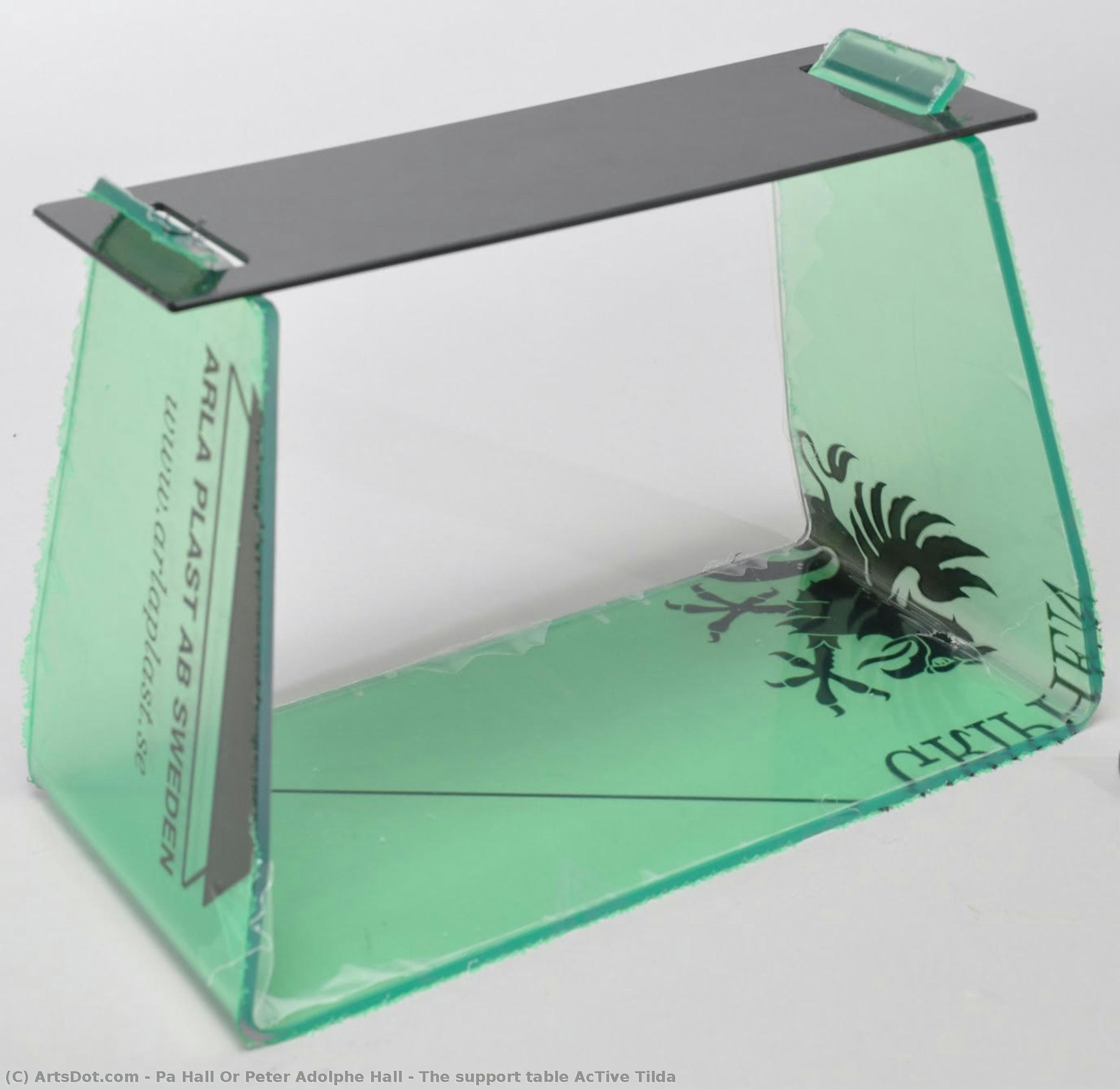
The support table AcTive Tilda
Replikaatin koko

In the delicate, intimate world of eighteenth-century portraiture, few names command as much quiet reverence as Peter Adolphe Hall. Born in Borås, Sweden, on February 23, 1739, Hall would eventually transcend his Scandinavian origins to become a defining figure of the French Rococo and Neoclassical transition. His journey from the Swedish provinces to the glittering courts of France is a testament to a singular talent that found its true expression in the smallest of scales. As a master of miniature painting, Hall possessed the rare ability to capture the profound psychological depth of his subjects within a frame no larger than a palm, turning tiny portraits into windows of immense emotional complexity.
Hall’s career was defined by a remarkable technical evolution that set him apart from his contemporaries. While many miniaturists of the era relied on soft, blended washes to achieve a smooth finish, Hall pioneered an innovative use of impasto. By applying thicker layers of paint, he introduced a tactile, sculptural quality to his work that allowed light to dance across the surface of the portrait. This technique breathed life into the textures of silk, lace, and skin, lending a startling realism to his depictions of the French nobility. His brushwork was not merely descriptive but transformative, imbuing each miniature with a luminous vitality that made the subjects appear as though they might step out from their ivory or vellum settings.
The trajectory of Hall’s life took him to the heart of European high society, where his skill earned him the prestigious distinction of being a court painter to Louis XVI. This position placed him at the epicenter of cultural influence, allowing him to document the faces of an era on the precipice of monumental historical change. His work served as more than mere likeness; it was a sophisticated language of status and elegance. Through his portraits, one can observe the meticulous attention to the fashion and etiquette of the French court, rendered with a precision that captured both the outward splendor and the inward dignity of the aristocracy.
Beyond his technical prowess, Hall’s significance lies in his role as a bridge between artistic movements. His ability to blend the decorative charm of the Rococo with the emerging clarity and structure of Neoclassicism allowed him to remain relevant during a period of intense stylistic shifts. The achievements of his career are reflected in the enduring fascination with his miniatures, which continue to captivate collectors for their intimacy and brilliance. His life, which came to an end in Liège on May 15, 1793, marked the conclusion of a journey that had fundamentally reshaped the possibilities of the miniature medium.
To understand the enduring impact of Peter Adolphe Hall, one must consider the specific elements that defined his mastery:

1739 - 1793 , Sweden

Explore the profound impact of Minimalism and Geometric Abstraction. From Mondrian to Malevich, discover how stripping art to its essential forms revolutionized modern aesthetics through our expert-led historical guide.

Master the versatile world of acrylic painting with our expert guide for art students. Explore the chemistry, historical evolution, and advanced techniques—from watercolor-like washes to bold impasto—to elevate your modern artistry and technical skill.

Explore the technical mastery of acrylic on paper. From historical innovations to advanced texture and color theory, learn how modern artists manipulate pigment and substrate for profound expression. Discover expert insights into preserving contemporary masterpieces.


Pysy ajan tasalla uusimmista taideuutisista, eksklusiivisista tarjouksista ja sisustusideoista.
Kerro meille projektistasi, niin taideasiantuntijamme tarjoavat sinulle kolme henkilökohtaista taidesuositusta.
Anna meidän kuratoida 3 vaihtoehtoa juuri sinulle – Ilmaiseksi!


 Esikatselu
 Jaa
Jaa Jaa
Jaa
 Tarkemmat tiedot

 Lataa
Lataa
 Samanlaisia
 Röntgenkuva
 Diaesitys

 Näytä lisää




































 Lasivaihtoehto on saatavilla vain alle 110 cm kokoisina teoksina