


x

Käsinmaalattu öljyväri kankaalle haluamassasi koossa ja kehyksissä, taiteilijoidemme valmistamana tilauksesta. ( Siirry tulosteeseen Vaihda kuvaksi)





























Valitse valmiista mitoistamme sellaiset, jotka vastaavat teoksen alkuperäisiä mittasuhteita.

Voit syöttää omat mitat sopimaan tiettyyn kehykseen tai tilaan. Jos valitsemasi koko ei vastaa alkuperäisen kuvan mittasuhteita, rajaamme taideteoksen tai jatkamme maalausta käsin maalatuilla elementeillä. Digitaalinen esikatselu lähetetään hyväksyttäväksi ennen tuotannon aloittamista.
Huomioithan, että näytöllä oleva esikatselu ei vastaa todellista rajausta tai jatkamista. Vain digitaalinen mallikuva näyttää lopullisen sommittelun tarkasti.
Vaikka mittatilaustyöt ovat mahdollisia, suosittelemme valitsemaan mitan ennalta määritetystä listasta alkuperäisten mittasuhteiden säilyttämiseksi.
Maailmanlaajuinen toimitus () 3–4 viikossa tavallisen 5 viikon sijaan. (6 elokuu). Laadusta ei tingitä.


Jean de Dinteville ja Georges de Selve (The Ambassadors)
Replikaatin koko
Hans Holbein the Younger’s “Double Portrait of Jean de Dinteville and Georges de Selve,” more famously known as “The Ambassadors,” stands as a monumental achievement in Renaissance portraiture. Painted in 1533, this masterpiece housed within the National Gallery in London transcends mere representation; it's a complex tapestry woven with symbolism, intellectual references, and artistic innovation that continues to captivate viewers centuries later.
The painting depicts Jean de Dinteville, the French ambassador to England, and Georges de Selve, a Catholic bishop. Holbein masterfully captures their individual personalities through meticulous detail in their attire and expressions. De Dinteville, on the left, exudes confidence with his richly adorned clothing and commanding presence. De Selve, positioned to the right, presents a more contemplative demeanor, his refined features suggesting intellectual depth. The style is characteristic of Northern Renaissance portraiture – highly realistic, emphasizing texture and detail, and imbued with symbolic meaning. Holbein’s skill in rendering fabrics, jewelry, and facial expressions is unparalleled, creating an almost photographic realism within the context of 16th-century painting.
Holbein employed oil on panel, a technique that allowed for incredible detail and subtle gradations of color. The painting’s most striking technical innovation is the inclusion of an anamorphic skull in the foreground. This distorted image appears as a blurred shape when viewed directly but resolves into a clear depiction of a skull when seen from a specific oblique angle. This clever visual trick serves as a *memento mori*, a reminder of mortality amidst the opulence and intellectual pursuits represented by the two ambassadors. The use of anamorphic perspective was groundbreaking for its time, showcasing Holbein’s artistic ingenuity and his engagement with contemporary scientific advancements.
“The Ambassadors” was created during a period of significant religious and political upheaval in Europe. Henry VIII's break from the Roman Catholic Church, the rise of Protestantism (represented by Martin Luther’s hymnal open on the table), and diplomatic tensions between England and France all contribute to the painting’s layered meaning. The objects arranged on the two shelves—globes, scientific instruments, musical instruments, books—are not merely decorative; they are carefully chosen symbols representing fields of knowledge, earthly pleasures, and religious discord. The broken lute string is a particularly poignant symbol of disharmony within Christendom. These symbolic elements elevate the portrait beyond a simple depiction of individuals to a commentary on the intellectual and spiritual climate of the era.
“The Ambassadors” evokes a sense of both grandeur and melancholy. The ambassadors’ wealth and status are undeniable, yet the presence of the *memento mori* skull subtly reminds viewers of the fleeting nature of earthly power and possessions. Holbein's masterful technique and intricate symbolism invite contemplation on themes of mortality, faith, knowledge, and diplomacy. This painting remains a powerful testament to the artistic genius of Hans Holbein the Younger and provides an invaluable window into the complex intellectual and cultural landscape of the Renaissance.

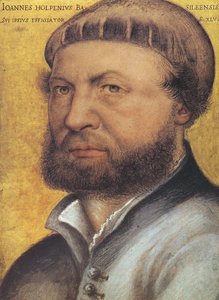
1497 - 1543 , Saksa

Explore the life & art of Hans Holbein the Younger, a Renaissance master renowned for his strikingly realistic portraits and psychological insight. Discover iconic works like 'The Ambassadors' and delve into his lasting legacy.
Tutustu Lontoon National Galleryn 25 kuuluisimpaan mestariteokseen! Uppoudu Renessanssin, impressionismin ja barokin maailmaan. Löydä Van Goghin, Rembrandtin ja Monetin tarinat sekä inspiroivia sisustusideoita Most-Famous-Paintingsilta. Tutustu kokoelma verkossa!

Explore the breathtaking precision of Hans Holbein the Younger. From Tudor royal portraits to intricate Northern Renaissance details, discover the mastery behind his legendary works and learn how to bring this historical grandeur into your collection with museum-quality reproductions.

Explore the rich history of formal portraiture & its enduring power to capture identity and shape perception. Discover investment-worthy artworks, expert appraisals, and custom reproduction services at Most-Famous-Paintings.
Tutustu National Galleryn 25 ikonista mestariteosta! Cézannen, Picasson ja Matissen tarinat sekä inspiraatiota kodin sisustukseen. Laadukkaat taideprintit Most-Famous-Paintingsilta – löydä suosikkisi nyt!


Pysy ajan tasalla uusimmista taideuutisista, eksklusiivisista tarjouksista ja sisustusideoista.
Kerro meille projektistasi, niin taideasiantuntijamme tarjoavat sinulle kolme henkilökohtaista taidesuositusta.
Anna meidän kuratoida 3 vaihtoehtoa juuri sinulle – Ilmaiseksi!


 Jaa
Jaa Jaa
Jaa
 Tarkemmat tiedot

 Lataa
Lataa
 Samanlaisia
 Diaesitys


 Näytä lisää







 Lasivaihtoehto on saatavilla vain alle 110 cm kokoisina teoksina


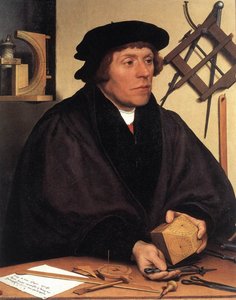


![Jean de Dintevillen ja Georges de Selven kaksoismuotokuva (tunnetaan myös nimellä Suurlähetystöt) [yksityiskohta]](/media/artworks/images/thumbnails/23/11/2311efb8202f4a2ea763c4d4a9227550.jpg)


