x

 Öljyväri kankaalleSeinätaideRococo
 1719Renessanssi
 60.0 x 75.0 cm
 Staatliche Kunstsammlungen Dresden
Käsinmaalattu öljyväri kankaalle haluamassasi koossa ja kehyksissä, taiteilijoidemme valmistamana tilauksesta. ( Osta printti Osta kuva)





























Valitse valmiista mitoistamme sellaiset, jotka vastaavat teoksen alkuperäisiä mittasuhteita.

Voit syöttää omat mitat sopimaan tiettyyn kehykseen tai tilaan. Jos valitsemasi koko ei vastaa alkuperäisen kuvan mittasuhteita, rajaamme taideteoksen tai jatkamme maalausta käsin maalatuilla elementeillä. Digitaalinen esikatselu lähetetään hyväksyttäväksi ennen tuotannon aloittamista.
Huomioithan, että näytöllä oleva esikatselu ei vastaa todellista rajausta tai jatkamista. Vain digitaalinen mallikuva näyttää lopullisen sommittelun tarkasti.
Vaikka mittatilaustyöt ovat mahdollisia, suosittelemme valitsemaan mitan ennalta määritetystä listasta alkuperäisten mittasuhteiden säilyttämiseksi.
Maailmanlaajuinen toimitus () 3–4 viikossa tavallisen 5 viikon sijaan. (19 elokuu). Laadusta ei tingitä.


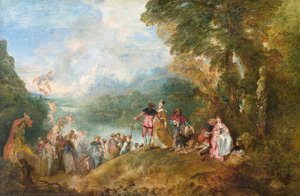
Meeting in the Open Air
Replikaatin koko
Jean Antoine Watteau (1684–1721), a luminary of French Baroque and Rococo art, remains an artist whose work continues to fascinate scholars and connoisseurs alike. His ability to transform everyday scenes into canvases brimming with grace and poetic beauty cemented his place in artistic history. Among his celebrated creations is Meeting in the Open Air (1719), currently housed at the Staatliche Kunstsammlungen Dresden, Germany—a painting that encapsulates the spirit of its era and Watteau’s unparalleled artistic vision.
Measuring 60 x 75 cm, Meeting in the Open Air is executed in oil on canvas—a medium favored by Watteau for its capacity to capture subtle nuances of color and texture. The artwork depicts a lively gathering of individuals amidst a verdant park landscape, populated with at least twelve figures engaged in various activities. From elegantly seated patrons to strolling musicians and animated conversations, Watteau meticulously portrays human interaction, imbuing the scene with an atmosphere of convivial joy. Lush greenery dominates the backdrop—a multitude of trees and shrubs framing the tableau and contributing to its serene tranquility.
What distinguishes Meeting in the Open Air is Watteau’s masterful blend of realism and idealism—characteristics that define the Rococo style itself. He skillfully captures the essence of a social occasion, conveying not merely what was seen but also what was felt—a palpable sense of pleasure and sophistication. The artist's deft brushstrokes produce soft colors and delicate textures, enhancing the painting’s ethereal ambiance and transporting viewers to a realm of idealized beauty. Watteau deliberately avoided harsh contrasts and emphasized diffused light, mirroring the aesthetic sensibilities of his time.
Jean Antoine Watteau stands as a pivotal figure in the development of *fêtes galantes*, a genre that emerged during Louis XIV’s reign—a style characterized by its playful depiction of aristocratic outdoor entertainments and infused with theatrical flair. Watteau’s canvases frequently featured members of French society from diverse social strata, reflecting the evolving dynamics of the monarchy's court and capturing the spirit of the age. His influence extended far beyond his immediate contemporaries, shaping artistic trends for decades to come.
Meeting in the Open Air continues to resonate with audiences today—serving as a testament to Watteau’s genius in portraying human experience with grace and elegance. It remains an invaluable source of inspiration for artists and designers alike—a reminder that beauty can be found even in seemingly mundane subjects when approached with artistic sensitivity. For those eager to explore more works by Watteau or delve deeper into the history of Rococo art, Le Pacha de Mossoul visitant les fouilles de Khorsabad are available for viewing on Most-Famous-Paintings. Additionally, the Doddington Hall Art Museum in Lincoln, United States, offers a captivating glimpse into European artistic heritage.
Key Points:

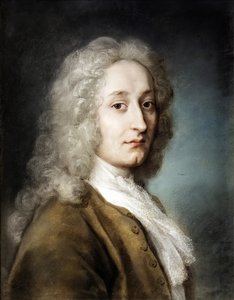
1684 - 1721 , Ranska

Uppoudu rokokoon maailmaan! Tutustu 10 mestariteokseen – Fragonard, Watteau ja muut. Taidetta, eleganssia & inspiraatiota kotiisi. Laadukkaat taideprintit Most-Famous-Paintings.com:ssa. Explore the full collection online!

Explore the opulent world of Rococo art! Discover its origins, key artists like Watteau & Boucher, and lasting influence on design. Expert insights for collectors & enthusiasts.

Explore the exquisite world of Rococo art! Discover its history, masters (Watteau, Boucher & more), and defining elegance. Expert insights for collectors seeking museum-quality reproductions & custom portraits.

Discover the captivating world of Jean-Antoine Watteau, master of the Fête Galante! Explore his iconic paintings, symbolism, and lasting influence on Rococo art. A deep dive for classic art enthusiasts.

Explore the opulent world of Rococo art! Discover Watteau, Boucher & Nattier's masterpieces. Expert insights for collectors seeking museum-quality reproductions and custom portraits at Most-Famous-Paintings.


Pysy ajan tasalla uusimmista taideuutisista, eksklusiivisista tarjouksista ja sisustusideoista.
Kerro meille projektistasi, niin taideasiantuntijamme tarjoavat sinulle kolme henkilökohtaista taidesuositusta.
Anna meidän kuratoida 3 vaihtoehtoa juuri sinulle – Ilmaiseksi!


 Esikatselu
 Jaa
Jaa Jaa
Jaa
 Tarkemmat tiedot

 Lataa
Lataa
 Samanlaisia
 Röntgenkuva
 Diaesitys
 Näytä lisää







 Lasivaihtoehto on saatavilla vain alle 110 cm kokoisina teoksina