x

Käsinmaalattu öljyväri kankaalle haluamassasi koossa ja kehyksissä, taiteilijoidemme valmistamana tilauksesta. ( Osta printti Osta kuva)





























Valitse valmiista mitoistamme sellaiset, jotka vastaavat teoksen alkuperäisiä mittasuhteita.

Voit syöttää omat mitat sopimaan tiettyyn kehykseen tai tilaan. Jos valitsemasi koko ei vastaa alkuperäisen kuvan mittasuhteita, rajaamme taideteoksen tai jatkamme maalausta käsin maalatuilla elementeillä. Digitaalinen esikatselu lähetetään hyväksyttäväksi ennen tuotannon aloittamista.
Huomioithan, että näytöllä oleva esikatselu ei vastaa todellista rajausta tai jatkamista. Vain digitaalinen mallikuva näyttää lopullisen sommittelun tarkasti.
Vaikka mittatilaustyöt ovat mahdollisia, suosittelemme valitsemaan mitan ennalta määritetystä listasta alkuperäisten mittasuhteiden säilyttämiseksi.
Maailmanlaajuinen toimitus () 3–4 viikossa tavallisen 5 viikon sijaan. (15 elokuu). Laadusta ei tingitä.


The Supper at Emmaus
Replikaatin koko
Titian’s “Supper at Emmaus,” a painting steeped in the profound drama of the Gospels, isn't merely a depiction of a biblical scene; it’s an invitation into a moment of spiritual awakening. Completed around 1534, this work transcends its religious subject matter to become a powerful meditation on faith, doubt, and the transformative power of encountering the divine. The painting captures the pivotal encounter between Jesus Christ and two disciples on their journey to Emmaus—an event that fundamentally altered their understanding of his resurrection. It’s a scene brimming with quiet intensity, a carefully constructed tableau designed to resonate deeply with viewers across centuries.
The composition itself is masterfully orchestrated. Titian eschews the dramatic gestures and overt expressions often associated with religious art of the period, opting instead for a subtle realism that draws the viewer into the intimate exchange between Jesus and his disciples. The figures are rendered with an almost photographic precision—notice the folds of their garments, the texture of the bread, even the individual strands of wicker in the basket of fruit. This meticulous detail wasn’t simply about accuracy; it was a deliberate choice to ground the ethereal subject matter in a tangible reality, making the miraculous encounter all the more believable and emotionally resonant.
Titian, arguably the greatest colorist of the Renaissance, wields his palette with breathtaking skill in “Supper at Emmaus.” The painting is a symphony of warm hues—rich oranges, deep reds, and earthy browns—that create an atmosphere of both warmth and solemnity. He employs a technique known as ‘sfumato,’ blurring the edges of forms and creating a hazy, atmospheric effect that softens the figures and imbues the scene with a sense of mystery. This is particularly evident in the background, which recedes into a dark, undefined space, drawing attention to the central figures.
Titian’s brushwork is loose and expressive, a departure from the more polished style favored by some of his contemporaries. He uses broad strokes to define shapes and create a sense of movement, while layering thin glazes of color to build up depth and luminosity. The use of gold leaf in the details—the fruit basket, the clothing—adds a touch of opulence and reinforces the sacred nature of the scene. It’s a testament to Titian's understanding that color wasn't just decorative; it was a powerful tool for conveying emotion and meaning.
Beyond its immediate narrative, “Supper at Emmaus” is rich in symbolic detail. The basket of fruit, laden with oranges—a relatively rare sight in Renaissance paintings—is often interpreted as representing the abundance of God’s grace. The scattered crumbs on the table symbolize the broken bread of the Eucharist, a potent reminder of Christ's sacrifice and the communion shared by believers. Even the gesture of Cleopas, reaching out to grasp Jesus’ hand, is laden with significance—it represents the willingness to embrace faith despite doubt.
The painting’s setting itself contributes to its symbolic weight. The dimly lit room suggests a space of contemplation and spiritual searching. It's not a grand or celebratory scene; rather, it’s a quiet moment of revelation, a glimpse into the profound transformation that occurs when one encounters the divine. The figures are not actively engaged in conversation, but their shared gaze speaks volumes—a silent acknowledgment of the miracle they have witnessed.
“Supper at Emmaus” stands as a testament to Titian’s genius and his profound understanding of human emotion. It's a painting that invites viewers to pause, reflect, and consider their own relationship with faith and the possibility of encountering the divine in unexpected places. Reproductions of this masterpiece capture only a fraction of its power—the subtle nuances of color, the delicate brushwork, and the deeply felt sense of spiritual longing that permeate every inch of the canvas. It remains a timeless depiction of one of Christianity’s most poignant stories, rendered with unparalleled beauty and insight.

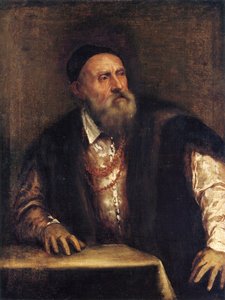
1490 - 1576 , Italia

Explore the revolutionary techniques & enduring legacy of Titian, the master of Venetian Renaissance portraiture. Discover insights for collectors & appreciate his impact on art history.
Tutustu Fra Angelicon 25 mestariteokseen – varhaisen renessanssin lumoavia freskoja ja alttaritauluja. Uppoudu italialaisen taidemaalarin hengelliseen maailmaan Most-Famous-Paintings.comissa! Taidekopiokuvia ja sisustusideoita.

Tutustu El Grecon 25 vaikuttavimpaan mestariteokseen! Uppoudu espanjalaisen renessanssin ja manierismin maailmaan. Taidehistoriaa, uskonnollisia maalauksia ja inspiraatiota kotiisi – löydä upeat taidevedokset Most-Famous-Paintings.comista.

Tutustu Giotto di Bondonen 25 mestariteokseen – renessanssin esikuvaajan freskoihin ja maalauksiin. Taidehistorian helmet, uskonnolliset symbolit ja inspiroivat sisustusideat Most-Famous-Paintings.comissa. Tutki kokoelma verkossa!

Explore the profound artistry of The Last Supper through an art historian's lens. From Leonardo da Vinci’s genius to diverse Renaissance interpretations, discover the symbolism and technique behind history's most iconic sacred depictions.


Pysy ajan tasalla uusimmista taideuutisista, eksklusiivisista tarjouksista ja sisustusideoista.
Kerro meille projektistasi, niin taideasiantuntijamme tarjoavat sinulle kolme henkilökohtaista taidesuositusta.
Anna meidän kuratoida 3 vaihtoehtoa juuri sinulle – Ilmaiseksi!


 Esikatselu
 Jaa
Jaa Jaa
Jaa
 Tarkemmat tiedot

 Lataa
Lataa
 Samanlaisia
 Röntgenkuva
 Diaesitys


 Näytä lisää







 Lasivaihtoehto on saatavilla vain alle 110 cm kokoisina teoksina