The Soul of Provence: A Journey Through the Musée Granet
Nestled within the sun-drenched heart of Aix- en-Provence, a city where every cobblestone seems steeped in artistic legacy, lies the Musée Granet. This is not merely a repository for silent objects; it is a living, breathing sanctuary that captures the very essence of Southern France. Founded in 1847 from the private collection of the esteemed Granet family, the museum has blossomed into a vital cultural institution. To enter its doors is to embark on a profound journey through centuries of human creativity, where the interwoven threads of history, local culture, and personal vision are woven into a seamless tapestry of light and color.
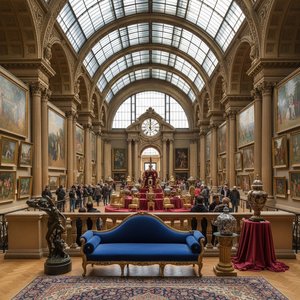
The architectural setting of the museum serves as a magnificent prelude to the treasures held within. Housed in an elegant 17th-century edifice that once served as the residence of the Marquis de Polignac, the building exudes an understated grandeur characteristic of the reign of Louis XV. Visitors are greeted by a façade defined by graceful Palladian windows and a symmetrical design that speaks to an era of aristocratic refinement. As one moves through the structure, the transition from the stately exterior to the more intimate, carefully restored interior spaces allows for a deep appreciation of the historical context. The tranquil courtyard, now a lush garden, offers a serene respite from the bustling streets of Aix, providing a moment of quiet contemplation that mirrors the contemplative nature of the art itself.
A Tapestry of Light and Provençal Spirit
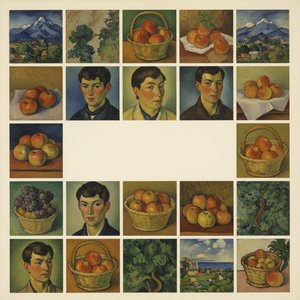
The collection of the Musée Granet is remarkably diverse, yet it remains anchored by an unwavering commitment to representing the soul of Provence. A cornerstone of this magnificent holdings is the work of Jean-Hippolyte Flandrin, a master whose landscapes and genre scenes are deeply rooted in the rhythmic pulse of rural life. His canvases possess an unparalleled sensitivity, capturing the golden Mediterranean light, the undulating lavender fields, and the quiet dignity of the local people. This sense of atmosphere is further enriched by the presence of Eugène Boudin, a pioneer of Impressionism, whose ability to capture fleeting moments of mist and light brings a sense of movement to the gallery walls.
The museum’s narrative continues through the vibrant depictions of Alexandre-Jean Dubois, whose lively scenes offer a spirited counterpoint to more somber works. This dialogue between different eras and styles is further expanded by an important collection of sculptures, including profound pieces by Auguste Rodin, which connect the local Provençal tradition to the broader movements of international modernism. For the discerning collector or interior designer, these works offer more than just aesthetic beauty; they provide evocative elements capable of transporting any space into a realm of historical depth and regional charm.
A Dynamic Dialogue Between Past and Present
What truly distinguishes the Musée Granet is its refusal to remain a static monument to the past. The museum actively fosters a dynamic dialogue between historical legacies and contemporary visions through its compelling temporary exhibitions. In recent years, these programs have ranged from sweeping retrospectives of renowned local painters to deep explorations of how classical aesthetics continue to influence modern Provençal art. A particular highlight has been the museum's role in showcasing the École de Provence, a movement that emerged in the late 19th century to celebrate the unique beauty and spirit of the region.
By integrating contemporary artists into its programming, the Musée Granet ensures that its mission remains relevant and vital. It is this ability to evoke a true sense of place—a feeling of being transported to the sun-soaked landscapes of Southern France—that makes the museum an unforgettable encounter. Whether one is searching for authentic Provençal inspiration or simply seeking to lose oneself in the beauty of the masters, the Musée Granet stands as a testament to the enduring power of art to define and preserve the human spirit.