x

 Oil On CanvasWallArtNorthern Renaissance
 1535
1535 50.0 x 35.0 cm
 Nelson-Atkins Museum of Art
Ručno oslikano uljanim bojama na platnu u dimenzijama i okviru po vašem izboru, izrađeno po narudžbi od strane naših umjetnika. ( Pređi na tisak Prebacite na sliku)





























Odaberite jednu od naših unaprijed definiranih veličina koje odgovaraju izvornim proporcijama umjetničkog djela.

Možete unijeti vlastite dimenzije kako bi odgovarale određenom okviru ili prostoru. Ako odabrana veličina ne odgovara proporcijama izvorne slike, izrezat ćemo umjetničko djelo ili proširiti sliku dodatnim ručno oslikanim elementima. Digitalni nacrt bit će vam poslan na odobrenje prije početka proizvodnje.
Imajte na umu da pregled na ekranu ne prikazuje stvarno izrezivanje ili proširivanje. Samo će nacrt točno prikazati konačni sastav.
Iako su dostupne prilagođene veličine, preporučujemo odabir dimenzije s preddefiniranog popisa kako bismo očuvali izvorne proporcije.
Isporuka širom svijeta () u roku od 3-4 tjedna umjesto standardnih 5 tjedana. (10 Kolovoz). Bez kompromisa u kvaliteti.


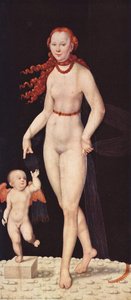
The Three Graces
Veličina reprodukcije
Lucas Cranach the Elder’s “The Three Graces” transcends mere depiction; it embodies the very spirit of Northern Renaissance artistry—a harmonious blend of classical ideals and humanist observation. Painted in 1535 during a period marked by religious upheaval, this masterpiece at the Nelson-Atkins Museum of Art stands as a testament to Cranach’s mastery of capturing beauty and conveying profound symbolic meaning.
Style and Influences: Cranach's work firmly establishes itself within the Northern Renaissance tradition. Drawing inspiration from Italian humanist thinkers like Leonardo da Vinci and Michelangelo, he skillfully integrates classical motifs—particularly those derived from Greek mythology—into his compositions. Unlike the opulent grandeur of Florentine art, Cranach’s aesthetic prioritizes restraint and elegance, favoring subtle tonal gradations and meticulous detail to illuminate the human form.
Painting Details and Technique: Executed in oil on panel, “The Three Graces” showcases Cranach's unparalleled technical prowess. The artist employs a pyramidal composition—a hallmark of Renaissance painting—to elevate the figures of Euphrosyne, Aglaea, and Thalia to a position of prominence. Delicate brushstrokes create an illusion of soft flesh tones and drapery folds, capturing the ethereal quality characteristic of Northern Renaissance art. Cranach’s meticulous attention to anatomical accuracy reflects his deep understanding of human anatomy, furthering enhancing the realism of the scene.
Symbolism: The painting's symbolism resonates deeply with humanist beliefs prevalent during Cranach’s time. The Graces—Euphrosyne (Joy), Aglaea (Splendor), and Thalia (Youth)—represent virtues associated with feminine beauty, grace, and prosperity. Their poses are deliberately reminiscent of sculptures by Praxiteles, emphasizing the ideal human form and celebrating divine harmony. The black background serves to heighten the luminosity of the nude figures, directing the viewer’s gaze towards their serene expressions and idealized postures.
Historical Context: Created amidst the Protestant Reformation, “The Three Graces” reflects a renewed interest in classical art as a counterbalance to medieval religious dogma. Cranach's patrons—including Frederick III of Saxony—embraced humanist ideals, fostering an environment conducive to artistic innovation. This painting exemplifies the Renaissance’s commitment to portraying human beauty and virtue with dignity and grace – values that continue to inspire artists and collectors today.
Availability: Explore a stunning reproduction of “The Three Graces” at Most-Famous-Paintings.com, where you can acquire a high-quality print that captures the essence of this iconic Renaissance artwork.


1472 - 1553 , Njemačka

Explore the profound history and technical mastery of woodcut relief printing. From ancient origins to German Expressionism, discover how artists use the subtractive process to create iconic works. A definitive guide for art students, collectors, and historians.

Discover the technical mastery behind Most-Famous-Paintings.com's premium Giclée canvas prints. Our guide for elite collectors explores archival pigment inks, museum-grade substrates, and the science of high-fidelity reproduction to ensure lasting beauty and historical accuracy.


Budite u tijeku s najnovijim umjetničkim vijestima, ekskluzivnim ponudama i idejama za dekoraciju.
Recite nam nešto o svom projektu, a naši će stručnjaci za umjetnost pripremiti 3 personalizirana prijedloga umjetnina.
Dopustite nam da odaberemo 3 opcije samo za Vas – Besplatno!


 Pregledaj u stvarnoj veličini
 Pošalji
 Podijeli
 Detalji o umjetničkom djelu

 Preuzmi
 Slični predmeti
 Rentgenska snimka
 Automatska prezentacija
 Prikaži više







 Opcija stakla dostupna je samo za dimenzije manje od 110 cm