x

 Akril na platnuUmjetnina za zidoveGeorgian Portraiture
 1749
1749 74.0 x 53.0 cm
 Harris Museum - Art Gallery
Ručno oslikano uljanim bojama na platnu u dimenzijama i okviru po vašem izboru, izrađeno po narudžbi od strane naših umjetnika. ( Pređi na tisak Prebacite na sliku)





























Odaberite jednu od naših unaprijed definiranih veličina koje odgovaraju izvornim proporcijama umjetničkog djela.

Možete unijeti vlastite dimenzije kako bi odgovarale određenom okviru ili prostoru. Ako odabrana veličina ne odgovara proporcijama izvorne slike, izrezat ćemo umjetničko djelo ili proširiti sliku dodatnim ručno oslikanim elementima. Digitalni nacrt bit će vam poslan na odobrenje prije početka proizvodnje.
Imajte na umu da pregled na ekranu ne prikazuje stvarno izrezivanje ili proširivanje. Samo će nacrt točno prikazati konačni sastav.
Iako su dostupne prilagođene veličine, preporučujemo odabir dimenzije s preddefiniranog popisa kako bismo očuvali izvorne proporcije.
Isporuka širom svijeta () u roku od 3-4 tjedna umjesto standardnih 5 tjedana. (6 Kolovoz). Bez kompromisa u kvaliteti.


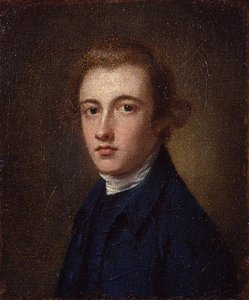
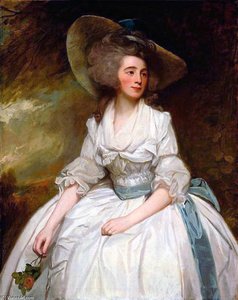
Mary du Cane, née Norris
Veličina reprodukcije
Arthur William Devis’s “Mary du Cane, née Norris” stands as a testament to the understated elegance characteristic of Georgian portraiture and, crucially, embodies the burgeoning fascination with capturing psychological depth within formal depictions. Painted in 1749, this canvas offers more than just a likeness; it presents an intimate glimpse into the life and character of Mary Du Cane herself – a woman whose quiet dignity radiates from the canvas.
Devis’s stylistic approach aligns perfectly with the prevailing trend of “conversation pieces,” which sought to portray subjects engaged in domestic activities or contemplating philosophical ideas. Unlike grand historical narratives, these portraits prioritized conveying emotion and capturing the subtleties of human experience. Here, Mary Du Cane is seated gracefully on a chair draped in rich fabrics—a deliberate choice reflecting the social status of her family.
The composition itself is carefully considered—Mary’s gaze directs towards the viewer, establishing a connection that transcends mere visual observation. This directness speaks volumes about Du Cane's composure and confidence – qualities valued within Georgian society. The subtle inclusion of decorative elements—such as the embroidered shawl draped over Mary’s shoulders—further underscores her familial heritage and reinforces the painting’s overarching theme of refined taste.
Beyond its aesthetic merits, “Mary du Cane, née Norris” resonates with a profound emotional impact. It invites contemplation on themes of femininity, grace, and inner resilience – qualities that continue to inspire admiration centuries later. The painting's enduring appeal lies in its ability to capture not just a woman’s appearance but also her spirit—a remarkable achievement for Devis and a cornerstone of Georgian portraiture’s legacy.
Born in London in 1762, Arthur William Devis descended from a family distinguished by artistic talent. Following in the footsteps of his elder brother Thomas Anthony Devis—also a painter—he pursued formal training at Westminster School and later apprenticed under John Raphael Smith, a prominent Flemish topographical artist.
Smith’s influence undoubtedly shaped Devis's technique, fostering an appreciation for meticulous observation and skillful rendering. However, Devis swiftly transitioned to portraiture, establishing himself as a respected artist within the provincial circles of England. His success wasn’t meteoric; rather, it was built upon consistent dedication and a keen understanding of his patrons’ desires.
Devis's oeuvre encompasses both historical subjects and intimate portraits—a duality that reflects the broader artistic currents of his time. He gained particular renown for his depictions of naval life, notably “The Death of Nelson,” which powerfully conveyed emotion and commemorated a pivotal moment in British history. This monumental canvas exemplifies Devis’s ability to transform visual representation into an instrument of commemoration.
Devis's work aligns seamlessly with the broader trend of “conversation piece” portraiture—a genre that flourished during the Georgian era. Unlike earlier portraits focused solely on conveying status, conversation pieces aimed to portray subjects engaged in domestic activities or contemplating philosophical ideas.
Artists like Devis recognized that true artistry lay not merely in replicating appearances but in capturing psychological depth and conveying emotion. This approach demanded a nuanced understanding of human behavior and an ability to translate inner states into visual form—a challenge that Devis embraced wholeheartedly.
Despite his considerable reputation during his lifetime, Devis's paintings largely faded from public consciousness after his death in 1822. However, a resurgence of interest in Georgian art and the conversation piece genre has brought Devis’s work back into focus—demonstrating its enduring artistic merit and prompting renewed appreciation for his contribution to British painting history.


1712 - 1787 , Ujedinjeno Kraljevstvo

Explore the life & work of John Hoppner, a leading Georgian portraitist. Discover his vibrant style, influential patrons, and lasting impact on British art history. Expert insights for collectors.

Explore the enchanting world of Arthur Rackham (1867-1939), a leading figure in British Golden Age illustration. Discover his iconic fairy tale art, classic book illustrations & lasting legacy. Learn more at Most-Famous-Paintings.

Explore the captivating world of Johann Zoffany, master portraitist of Georgian society. Discover his unique 'conversation pieces,' imperial commissions & lasting legacy. A guide for discerning collectors.

Explore the captivating landscapes of William James Müller, the leading artist of the Bristol School. Discover his Victorian masterpieces, Egyptian travels & Lycian sketches – a journey through 19th-century art and technique.

Explore the captivating world of Joseph Highmore, a leading British Rococo painter. Discover his elegant portraits, insightful 'Pamela' illustrations & contributions to 18th-century art history. Learn more at Most-Famous-Paintings.


Budite u tijeku s najnovijim umjetničkim vijestima, ekskluzivnim ponudama i idejama za dekoraciju.
Recite nam nešto o svom projektu, a naši će stručnjaci za umjetnost pripremiti 3 personalizirana prijedloga umjetnina.
Dopustite nam da odaberemo 3 opcije samo za Vas – Besplatno!


 Pregledaj u stvarnoj veličini
 Pošalji
 Podijeli
 Detalji o umjetničkom djelu

 Preuzmi
 Slični predmeti
 Rentgenska snimka
 Automatska prezentacija
 Prikaži više







 Opcija stakla dostupna je samo za dimenzije manje od 110 cm