x

Ručno oslikano uljanim bojama na platnu u dimenzijama i okviru po vašem izboru, izrađeno po narudžbi od strane naših umjetnika. ( Kupi print Kupi digitalnu sliku)





























Odaberite jednu od naših unaprijed definiranih veličina koje odgovaraju izvornim proporcijama umjetničkog djela.

Možete unijeti vlastite dimenzije kako bi odgovarale određenom okviru ili prostoru. Ako odabrana veličina ne odgovara proporcijama izvorne slike, izrezat ćemo umjetničko djelo ili proširiti sliku dodatnim ručno oslikanim elementima. Digitalni nacrt bit će vam poslan na odobrenje prije početka proizvodnje.
Imajte na umu da pregled na ekranu ne prikazuje stvarno izrezivanje ili proširivanje. Samo će nacrt točno prikazati konačni sastav.
Iako su dostupne prilagođene veličine, preporučujemo odabir dimenzije s preddefiniranog popisa kako bismo očuvali izvorne proporcije.
Isporuka širom svijeta () u roku od 3-4 tjedna umjesto standardnih 5 tjedana. (12 Kolovoz). Bez kompromisa u kvaliteti.


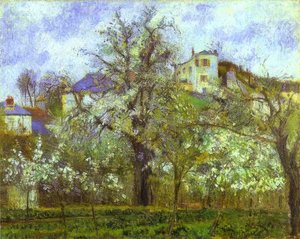
Hermitage u Pontoisu
Veličina reprodukcije
Camille Pissarro’s “The Hermitage at Pontoise,” painted in 1874, stands as a quintessential emblem of Impressionism—a movement that irrevocably altered the course of art history. More than just a depiction of a picturesque village landscape, it embodies a profound philosophical stance on capturing fleeting moments and conveying atmosphere with unparalleled sensitivity.
The painting immediately draws the eye to its central path winding through a vibrant expanse of greenery. Lush foliage dominates the scene—trees laden with leaves—creating a tapestry of greens that shimmer under dappled sunlight. Scattered throughout this idyllic setting are several figures engaged in everyday activities: farmers tending to livestock, individuals strolling along the road, and others pausing near dwellings. These human elements aren’t merely incidental; they serve as anchors for the viewer's gaze, grounding the ethereal beauty of the landscape.
Pissarro’s masterful technique exemplifies the core principles of Impressionism. He eschewed meticulous detail in favor of capturing the essence of light and color—a deliberate rejection of academic conventions that prioritized realism. Loose, visible brushstrokes are layered upon one another to create an illusion of movement and luminosity. The artist skillfully blends hues directly on the canvas, resulting in soft transitions and a shimmering effect that captures the ephemeral quality of sunlight filtering through the trees.
“The Hermitage at Pontoise” is characterized by its masterful use of color—particularly yellows and greens—to evoke feelings of tranquility and optimism. The artist’s deliberate disregard for precise shading contributes to the painting's atmospheric depth, immersing the viewer in a sensory experience that transcends mere visual representation.Painted during a period of significant social upheaval—the rapid urbanization of Paris and its surrounding areas—Pissarro’s “The Hermitage at Pontoise” represents a conscious retreat from the frenetic pace of city life. It reflects a broader artistic preoccupation with capturing the beauty of the countryside, a reaction against the prevailing aesthetic sensibilities of the time. The painting speaks to a yearning for simplicity and connection with nature—themes that resonate powerfully even today.
To delve deeper into Camille Pissarro’s artistic legacy and his pivotal role in shaping Impressionism, explore resources like Most-Famous-Paintings or Wikipedia: Wikipedia.
"The Hermitage at Pontoise" remains a cornerstone of Impressionist art, demonstrating Pissarro’s ability to distill complex emotions into a deceptively serene visual experience. Its enduring appeal lies in its honest portrayal of rural life—a celebration of beauty found in the everyday—and its unwavering commitment to capturing the fleeting effects of light and color.

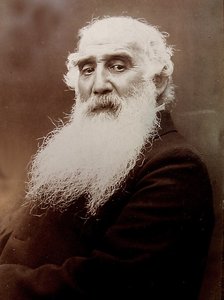
1830 - 1903 , SAD (Sjedinjene Američke Države)

Explore the life & art of Camille Pissarro, a pivotal figure in Impressionism and Post-Impressionism. Discover his techniques, influences, and lasting legacy on modern painting. Learn more at Most-Famous-Paintings.
Uronite u svijet Paula Cézanna! Otkrijte 25 remek-djela impresionizma i postimpresionizma. Saznajte priče iza slika, tehnike i inspiracije ovog francuskog umjetnika. Reprodukcije vrhunske kvalitete dostupne na Most-Famous-Paintings.com

Explore the rich history of rural landscape painting with Most-Famous-Paintings. Discover Impressionist masterpieces, key artists & movements. Find your perfect serene artwork and bring nature's beauty home.
Uronite u svijet John Constabla! Otkrijte 25 remek-djela engleskog romantizma i pejzaža. Ekskluzivne reprodukcije slika, zidna dekoracija & inspiracija za dizajn interijera na Most-Famous-Paintings.com. Istražite cijelu kolekciju online!

Journey into the heart of Impressionism! Explore 10 masterpieces by Monet, Renoir & Degas that revolutionized landscape art. Discover their stories, techniques & find museum-quality reproductions to elevate your home decor on Most-Famous-Paintings.com.


Budite u tijeku s najnovijim umjetničkim vijestima, ekskluzivnim ponudama i idejama za dekoraciju.
Recite nam nešto o svom projektu, a naši će stručnjaci za umjetnost pripremiti 3 personalizirana prijedloga umjetnina.
Dopustite nam da odaberemo 3 opcije samo za Vas – Besplatno!


 Pregledaj u stvarnoj veličini
 Pošalji
 Podijeli
 Detalji o umjetničkom djelu

 Preuzmi
 Slični predmeti
 Rentgenska snimka
 Automatska prezentacija

 Prikaži više







 Opcija stakla dostupna je samo za dimenzije manje od 110 cm