

The Rise of Farm-to-Table Aesthetics: Beyond Culinary Trend to Artistic Expression
The following chapters chart an advancing course of art today, identifying the contributions of new recruits eager for environmental reform.
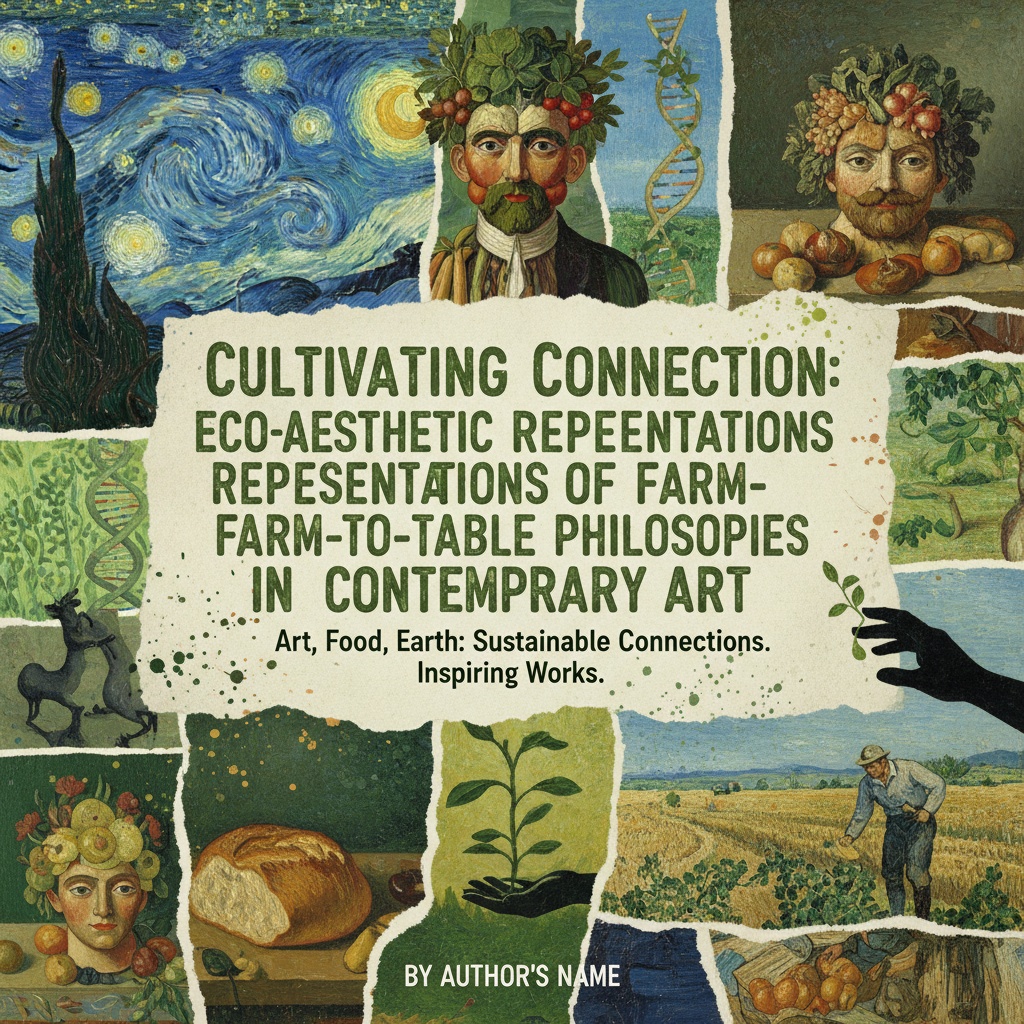
The farm-to-table movement, initially a culinary rebellion against industrialized food systems, has blossomed into something far more profound—a holistic philosophy embracing sustainability, local sourcing, and a renewed reverence for the natural world. This ethos isn’t confined to restaurants or farmers' markets; it’s deeply resonating within contemporary art, where artists are moving beyond simple depictions of produce to engage with the intricate ecological and social networks that underpin our sustenance. It represents a shift from viewing food as merely a commodity to recognizing it as an integral part of a complex web of life, demanding a visual language capable of conveying this interconnectedness.
Early representations of agricultural life often served didactic purposes—celebrating the bounty of the harvest or illustrating rural virtues. But contemporary artists are dismantling these romanticized notions, offering nuanced portrayals that acknowledge both the beauty and fragility of our food systems. Consider the work of Antonio Capellán, whose sculptures crafted entirely from recycled agricultural plastics aren’t simply visually striking; they function as stark critiques of wastefulness and a powerful call for circularity. His transformed materials—discarded irrigation pipes, netting, and packaging—become hauntingly beautiful forms, forcing us to confront the consequences of our consumption habits. This isn't about idyllic landscapes; it’s about the tangible impact of human choices on the environment.
The movement also reflects a growing desire for transparency – a yearning to understand where our food comes from and how it is produced. Artists are increasingly adopting documentary approaches, embedding themselves within farming communities and creating works that bear witness to both the challenges and triumphs of sustainable agriculture. This commitment to authenticity extends beyond mere representation; many artists actively collaborate with farmers, using their work as a platform for advocacy and education.
Landscape Reimagined: Ecological Awareness in Contemporary Painting
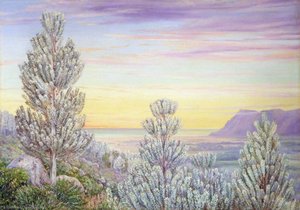
Landscape painting, also known as landscape art, is the depiction in painting of natural scenery such as mountains, valleys, rivers, trees, and forests, especially where the main subject is a wide view—with its elements arranged into a coherent compo...
The history of landscape painting is inextricably linked to cultural values and our evolving relationship with nature. From the idealized vistas of classical art to the Romantic movement’s awe-inspired depictions of wilderness, landscapes have long served as vehicles for expressing spiritual connections and national identities. However, traditional forms often lacked critical engagement with the environmental consequences of human intervention—a blind spot that contemporary artists are actively addressing.
The roots of landscape painting stretch back millennia, evolving from rudimentary depictions of scenery to sophisticated representations of specific places. While early landscapes focused on aesthetic beauty, the Romantic era introduced a sense of sublime power and untamed wilderness. Yet, even within this tradition, there was limited consideration for the impact of human activity. Modern artists are challenging this historical perspective by incorporating ecological data and critical commentary into their work. They aren’t simply replicating scenes; they're using landscape aesthetics to expose environmental degradation—depicting polluted waterways, deforested areas, or the visible effects of climate change. This shift reflects a broader trend towards environmental awareness and social activism within the art world.
The use of aerial perspectives, often employed in contemporary landscape painting, provides a powerful vantage point for visualizing the scale of human impact on the environment. Artists might depict vast agricultural fields carved into pristine forests or sprawling urban developments encroaching upon natural habitats—forcing viewers to confront the consequences of unchecked growth. This isn’t about rejecting landscape painting altogether; it's about re-evaluating its historical legacy and utilizing its aesthetic power to promote ecological responsibility.
Sustainable Art Practices: Materials, Methods & Ethical Considerations
Sustainable art is art in harmony with the key principles of sustainability, which include ecology, social justice, non-violence and grassroots democracy. Sustainable art may also be understood as art that is produced with consideration for the wider...
Emerging from conceptual practices in the 1960s, sustainable art prioritizes ecological harmony, social justice, and grassroots democracy. It’s a multifaceted movement encompassing diverse media and approaches, all united by a commitment to minimizing environmental impact and promoting ethical considerations—a conscious rejection of the art world's often wasteful and exploitative practices.
The origins of sustainable art can be traced to the dematerialization trends of conceptual art, which questioned the commodification of artworks and the functioning of the art system. This coincided with growing awareness of global ecological problems in the late 20th century. Artists began experimenting with non-toxic materials, incorporating recycled content into their work, and engaging directly with environmental issues. Key principles include minimizing waste, reducing carbon emissions, promoting biodiversity, and supporting local communities. Tunisian artist Oumayma Bouzaiene exemplifies this approach through her poignant animations exploring social and environmental concerns—a practice deeply rooted in a vegan ethos and digital storytelling. Sustainable art isn't limited to specific mediums; it encompasses painting, sculpture, installation, performance, and even land art – all united by a shared commitment to ecological responsibility.
The selection of materials is paramount in sustainable art practices. Artists are increasingly turning to reclaimed wood, recycled plastics, natural pigments, and other eco-friendly alternatives. They’re also exploring innovative techniques that minimize waste—such as using plant-based dyes or creating sculptures from found objects. This commitment extends beyond the artwork itself; artists often consider the entire lifecycle of their materials, from sourcing to disposal.
Data as Medium: Integrating Scientific Research into Visual Narratives of Food Systems
As artists seek to bridge the gap between art and environmental research, we see a growing trend of incorporating scientific data directly into their work. This approach allows for a more nuanced and informed representation of ecological issues—moving beyond subjective interpretations to engage with quantifiable evidence.
Artists are employing diverse forms of scientific data – soil samples, water analyses, climate models – to create abstract patterns or incorporate physical specimens into sculptures and installations. The goal isn’t simply to illustrate scientific findings but to engage with the underlying processes and complexities of ecological systems. For example, an artist might analyze soil composition from a local farm and use this data to create a painting that reflects the health of the ecosystem—a visual representation of microbial activity or nutrient levels. This approach adds a layer of authenticity and credibility to their work, while also encouraging viewers to consider the scientific basis of environmental concerns.
The visualization of complex data sets can be particularly effective in raising awareness about ecological issues. Artists might create interactive installations that allow viewers to explore climate change projections or map the flow of pollutants through a watershed—transforming abstract information into tangible experiences. This isn’t about simplifying scientific concepts; it's about making them accessible and engaging for a wider audience.
The Power of Place: Representing Local Farms and Agricultural Communities
Central to many artworks representing farm-to-table philosophies is the concept of ‘place.’ Artists are exploring the unique characteristics of specific landscapes and communities, highlighting their cultural significance and ecological importance—a rejection of globalization’s homogenizing forces.
Artists often focus on local farms and agricultural ecosystems, documenting their history, traditions, and challenges. This can involve creating portraits of farmers, photographing crops and livestock, or mapping the flow of resources within a community. The goal is to create a sense of connection between viewers and the specific places where food is produced—fostering an appreciation for local knowledge and cultural heritage. By highlighting the unique characteristics of each landscape, artists can inspire viewers to support local farmers and advocate for policies that protect agricultural ecosystems.
The use of oral histories and ethnographic techniques is common in this type of artwork. Artists might interview farmers about their experiences or document traditional farming practices—preserving valuable knowledge that is at risk of being lost. This isn’t simply about romanticizing rural life; it's about recognizing the importance of local communities in promoting sustainable agriculture.
Ethical Consumption & Artistic Activism: Exposing the Hidden Costs of Our Food Choices
Contemporary art increasingly focuses on the ethical considerations surrounding food production—including labor practices, animal welfare, and social justice. This goes beyond simply depicting farms or agricultural scenes; it’s about exposing exploitative conditions and challenging conventional notions of consumerism.
Artists are investigating the often-hidden costs of cheap food, revealing inhumane treatment of animals, environmental degradation, and exploitative labor practices. This can involve creating documentary films, performance art pieces, or installations that challenge viewers to confront uncomfortable truths about their consumption habits. The goal is to raise awareness about the social and ethical implications of our food choices—inspiring viewers to advocate for more just and sustainable food systems. For example, an artist might create a series of portraits depicting farmworkers who are struggling to make ends meet, or document the environmental impact of factory farming.
This artistic activism often takes the form of direct intervention—artists collaborating with advocacy groups or organizing protests against unsustainable practices. They’re using their work as a platform for social change, challenging corporations and policymakers to prioritize ethical considerations over profit margins. By exposing exploitative practices and challenging conventional notions of consumerism, these artists are inspiring viewers to advocate for more just and sustainable food systems.
At Most-Famous-Paintings.com, we believe in the power of art to inspire change. Explore our collection of reproductions and discover how contemporary artworks can spark dialogue about sustainability, ethical consumption, and a deeper connection to the natural world. We offer custom reproduction services, allowing you to bring these powerful images into your home or business—supporting artists who are dedicated to promoting environmental awareness and social justice. Find inspiration today and become part of a movement towards a more sustainable future.