x

Kézzel festett olajvastú vászon, az Ön által választott méretben és keretben, művészeink készítik meglévőre. ( Váltás nyomtatványra Képváltás)





























Válasszon előre meghatározott méreteink közül, amelyek megfelelnek a műalkotás eredeti arányainak.

Ön megadhat saját méreteket egy adott kerethez vagy térhez igazításhoz. Ha a kiválasztott méret nem egyezik az eredeti kép arányával, akkor a műalkotást levágjuk, vagy további kézzel festett elemekkel meghosszabbítjuk a festményt. A gyártás megkezdése előtt küldünk Önnek egy digitális előnézetet jóváhagyásra.
Kérjük, vegye figyelembe, hogy a képernyőn megjelenő előnézet nem tükrözi a tényleges vágást vagy kiterjesztést. Csak az előnézet fog pontosan mutatni a végső kompozíciót.
Bár egyedi méretek állnak rendelkezésre, javasoljuk, hogy válasszon egy méretet az előre meghatározott listából az eredeti arányok megőrzése érdekében.
Világszerte elérhető szállítás () 3-4 hét alatt a szokásos 5 hét helyett. (5 augusztus). A minőség nem kérdőjelezhető.


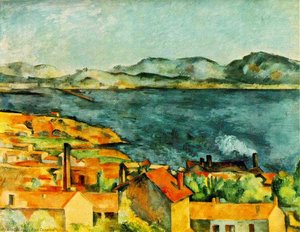
Gardanne (Brooklyn)
A reprodukció mérete
The scene itself is deceptively simple: a small village nestled amongst rolling hills bathed in the warm light of the Mediterranean sun. Yet, it’s precisely this apparent simplicity that belies the complex layers of meaning embedded within the canvas. Cézanne wasn't interested in creating a photographic representation; instead, he sought to distill the fundamental elements of his subject – the solidity of the earth, the transparency of air, and the vibrant hues of light – into their purest forms. Notice how he abandons traditional perspective, flattening space and suggesting depth through carefully considered color relationships and the manipulation of brushstrokes. The church steeple, a prominent feature, isn’t rendered with meticulous detail but rather as a bold, geometric element that anchors the composition.
Furthermore, Cézanne’s use of color is revolutionary. He didn't simply replicate what he saw; he interpreted it, transforming reality into an emotional experience. The warm yellows and oranges of the sunlit buildings contrast sharply with the cooler blues and greens of the hillsides, creating a dynamic tension that draws the eye across the canvas. He often worked *en plein air* (outdoors), directly observing the changing light conditions and incorporating these observations into his paintings. This direct engagement with nature is evident in the painting’s vibrant energy and sense of immediacy.
Cézanne’s deliberate omission of industrial elements – factories and mines that surrounded Gardanne – further emphasizes this theme. He chose to focus on the enduring beauty of nature, suggesting a desire to preserve its essence in the face of encroaching modernity. The painting isn't merely a depiction of a place; it’s an expression of Cézanne’s deeply felt connection to Provence and his profound appreciation for the natural world. It is a testament to his belief that art should not simply imitate reality, but rather reveal its underlying truth.


1839 - 1906 , Franciaország
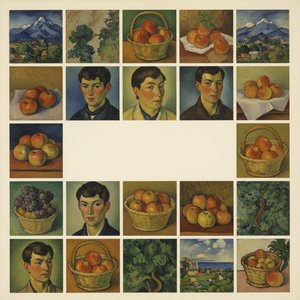
Fedezze fel Paul Cézanne 25 legikonikusabb művét! Ismerje meg a posztimpresszionizmus úttörőjének festményeit, technikáját és inspirációit. Vászonképek, portrék, tájképfestmények – minden otthonba. Böngéssze gyűjteményünket a Most-Famous-Paintings-on!

Fedezze fel Claude Monet 25 legikonikusabb mesterművét! Ismerje meg az impresszionizmus zseniális festőjének történetét, a fény és szín varázsát. Vásároljon exkluzív reprodukciókat otthona dekorációjához a Most-Famous-Paintings.com-on!

Fedezze fel a 10 legikonikus impresszionista tájkép festményt! Monet, Renoir, Degas és más művészek remekművei. Vászonképek, faliképek otthonába – inspirálódjon Most-Famous-Paintings.com-on! Explore the full collection online.

Fedezze fel a 10 legikonikusabb impresszionista festményt! Monet, Renoir és más mesterek művészete életre kel Most-Famous-Paintings.com-on. Vászonképek, faliképek – inspirálja otthonát a benyomásosok színeivel és hangulatával! Explore the full collection online.
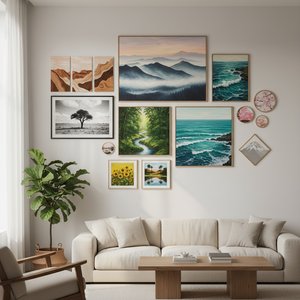
Fedezze fel a 10 legikonikusabb tájkép festményt! Monet, Van Gogh és más mesterek művei inspirálnak. Művészeti reprodukciók magas minőségben – tökéletes dekoráció otthonába. Böngésszen Most-Famous-Paintings.com-on!


Maradjon naprakész a legfrissebb művészeti hírekkel, exkluzív ajánlatokkal és dekorációs ötletekkel.
Írja le nekünk projektjét, és művészeti szakértőink 3 személyre szabott műalkotási javaslatot készítenek Önnek.
Hagyjuk, hogy mi válogassunk ki Önnek 3 legjobb opciót – Ingyenesen!


 Előnézet
 Megosztás
 Megosztás
 Részletek

 Letöltés
 Hasonló alkotások
 X-ray felvétel
 Diavetítés

 Tovább olvasom







 Az üvegkeretes opció csak 110 cm alatti méretben érhető el