x

 Olajfestmény vászononFalfeliratok és faldekorációMannerism
 1610Korai modern kor
 142.0 x 193.0 cm
 Nemzeti Galéria
Kézzel festett olajvastú vászon, az Ön által választott méretben és keretben, művészeink készítik meglévőre. ( Váltás nyomtatványra Képváltás)





























Válasszon előre meghatározott méreteink közül, amelyek megfelelnek a műalkotás eredeti arányainak.

Ön megadhat saját méreteket egy adott kerethez vagy térhez igazításhoz. Ha a kiválasztott méret nem egyezik az eredeti kép arányával, akkor a műalkotást levágjuk, vagy további kézzel festett elemekkel meghosszabbítjuk a festményt. A gyártás megkezdése előtt küldünk Önnek egy digitális előnézetet jóváhagyásra.
Kérjük, vegye figyelembe, hogy a képernyőn megjelenő előnézet nem tükrözi a tényleges vágást vagy kiterjesztést. Csak az előnézet fog pontosan mutatni a végső kompozíciót.
Bár egyedi méretek állnak rendelkezésre, javasoljuk, hogy válasszon egy méretet az előre meghatározott listából az eredeti arányok megőrzése érdekében.
Világszerte elérhető szállítás () 3-4 hét alatt a szokásos 5 hét helyett. (7 augusztus). A minőség nem kérdőjelezhető.


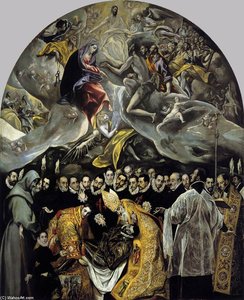
Egy mitológiai dráma remeke El Greco "Laokoon" című festménye egy erőteljes ábrázolása a mitológiai viadalnak, amely rögzíti az emberi alakok és a kírók közötti intenzív küzdelmet. Ez a drámai jelenet El Greco egyedi művészi látásmódját bemutató stílusban
A reprodukció mérete
Doménikos Theotokópoulos, known to the world as El Greco, was an artist who defied easy categorization. Born in Crete, his journey through Venice and Rome culminated in Toledo, Spain, where he forged a unique artistic vision that resonated with both Byzantine tradition and emerging Western Mannerism. Among his many masterpieces, "Laocoön" stands out as a particularly powerful depiction of mythological turmoil, a canvas brimming with struggle, despair, and the haunting beauty of human suffering. This isn't merely a representation of an ancient legend; it’s a visceral exploration of emotional extremes rendered in El Greco’s signature dramatic style.
“Laocoön,” created around 1610, is a striking example of Expressionism long before the movement formally emerged. El Greco wasn't interested in simply replicating reality; he sought to convey the raw intensity of human experience. The scene depicts the tragic fate of Laocoön, a Trojan priest who warned his people against accepting the deceptive gift of the wooden horse, only to be punished by serpents sent by the gods. This narrative serves as a backdrop for El Greco’s masterful manipulation of form and technique. Notice how he employs bold, expressive lines to define the muscular figures locked in desperate combat with the serpentine creatures. The bodies twist and writhe, conveying a sense of frantic movement and overwhelming energy. The impasto technique—thickly applied paint—adds remarkable depth and texture, making the scene almost tangible; you can practically feel the weight of their struggle, the slickness of the serpents’ scales.
El Greco's color choices in "Laocoön" are far from arbitrary. The painting is dominated by earthy tones—rich browns, muted greys, and stark whites—creating a sense of grounded realism amidst the fantastical subject matter. However, these somber hues are punctuated by strategic splashes of green and blue within the distant landscape, hinting at a world beyond the immediate chaos. Above all, it’s the dramatic lighting that truly captivates. A harsh, almost theatrical light illuminates the figures against a backdrop of dark, stormy clouds, intensifying the sense of drama and isolation. This stark contrast between light and shadow isn't just aesthetic; it serves to highlight the emotional weight of the scene—the desperate struggle for survival against overwhelming odds.
Beyond its immediate visual impact, "Laocoön" is rich in symbolic meaning. The subject matter itself – a priest punished for speaking truth – suggests themes of suffering, moral dilemma, and the consequences of hubris. The presence of a mirror held by one of the figures adds another layer of complexity; could it symbolize self-reflection or perhaps a recognition of impending doom? And, of course, the serpents themselves are potent symbols of evil, temptation, and divine retribution. El Greco’s unique blend of Byzantine spirituality and Western artistic innovation paved the way for future generations of artists. His elongated figures, dramatic use of color, and emphasis on emotional expression foreshadowed both Expressionism and Cubism, solidifying his place as a pivotal figure in art history. Owning a reproduction of "Laocoön" is not simply acquiring a beautiful image; it’s inviting a piece of artistic history—a testament to the power of human emotion and the enduring allure of myth—into your space.

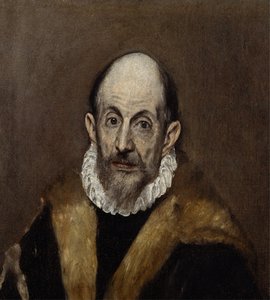
1541 - 1614 , Ελλάδα

Fedezze fel El Greco 25 leglenyűgözőbb művészeti alkotását! Ismerje meg a spanyol reneszánsz és manierizmus mesterét, festményeinek történetét és spirituális mélységét. Luxus reprodukciók – Most-Famous-Paintings.com.

Explore the captivating world of El Greco! Discover his unique style, spiritual intensity, and lasting impact on art history. Learn about this Renaissance master's life, iconic paintings & legacy.
Fedezze fel a barokk művészet 10 legpártosabb remekművét! Caravaggio, Rembrandt és Vermeer alkotásainak története – Most-Famous-Paintings.com kínálatában exkluzív reprodukciók és inspiráló dekorációs ötletek várják Önt. Nézze meg most!

Explore the rich history & enduring techniques of oil painting with Most-Famous-Paintings. Discover masterpieces, learn about art collecting, and find authentic handmade reproductions crafted by skilled artists.

Explore the dramatic world of Baroque art! Discover iconic artists like Caravaggio & Rubens, defining techniques, and its lasting impact on art history. Expert insights for collectors & enthusiasts at Most-Famous-Paintings.


Maradjon naprakész a legfrissebb művészeti hírekkel, exkluzív ajánlatokkal és dekorációs ötletekkel.
Írja le nekünk projektjét, és művészeti szakértőink 3 személyre szabott műalkotási javaslatot készítenek Önnek.
Hagyjuk, hogy mi válogassunk ki Önnek 3 legjobb opciót – Ingyenesen!


 Előnézet
 Megosztás
 Megosztás
 Részletek

 Letöltés
 Hasonló alkotások
 X-ray felvétel
 Diavetítés
 Tovább olvasom







 Az üvegkeretes opció csak 110 cm alatti méretben érhető el