


x

Kézzel festett olajvastú vászon, az Ön által választott méretben és keretben, művészeink készítik meglévőre. ( Nyomat rendelése Kép letöltése)





























Válasszon előre meghatározott méreteink közül, amelyek megfelelnek a műalkotás eredeti arányainak.

Ön megadhat saját méreteket egy adott kerethez vagy térhez igazításhoz. Ha a kiválasztott méret nem egyezik az eredeti kép arányával, akkor a műalkotást levágjuk, vagy további kézzel festett elemekkel meghosszabbítjuk a festményt. A gyártás megkezdése előtt küldünk Önnek egy digitális előnézetet jóváhagyásra.
Kérjük, vegye figyelembe, hogy a képernyőn megjelenő előnézet nem tükrözi a tényleges vágást vagy kiterjesztést. Csak az előnézet fog pontosan mutatni a végső kompozíciót.
Bár egyedi méretek állnak rendelkezésre, javasoljuk, hogy válasszon egy méretet az előre meghatározott listából az eredeti arányok megőrzése érdekében.
Világszerte elérhető szállítás () 3-4 hét alatt a szokásos 5 hét helyett. (23 augusztus). A minőség nem kérdőjelezhető.


Ébresztő látomás: Mária és Eliszabéta találkozása
Reprodukció mérete
Franz Anton Maulbertsch (1724-1796), a luminary of Austrian Baroque and Rococo, gifted us with "Visitation," Meeting of Mary and Elisabeth – a fresco that transcends mere visual representation to embody the very spirit of its era. Executed in 1771, this artwork resides within the serene sanctuary of a church, bathed in diffused light that illuminates its rich hues and intricate details—a testament to Maulbertsch’s mastery of color and composition.
Classical Influence Meets Rococo Flair
Maulbertsch skillfully blends classical compositional principles inherited from artists like Tiepolo and Troger with the airy grace characteristic of Rococo. The central figure, Mary, is portrayed in a posture imbued with solemn dignity—a gesture signifying blessing and prayer—reflecting the profound spiritual contemplation prevalent during the period.
Fresco Technique: Depth and Luminosity Through Ancient Craftsmanship
The fresco technique itself speaks volumes about Maulbertsch’s artistic vision. Applying pigment onto wet plaster ensures remarkable durability, allowing for an image to retain its brilliance across centuries. Observe how the artist manipulates light and shadow—a cornerstone of Baroque art—creating a palpable sense of depth that is further accentuated by the church's architectural framework. The arches and columns serve as framing elements, directing the viewer’s gaze towards Mary and emphasizing the fresco’s significance as a conduit for divine grace.
Symbolism: Echoes of Biblical Narrative
"Visitation" recounts Luke 1:39–56—the biblical narrative of Mary's pilgrimage to Elizabeth, pregnant with John the Baptist, and Elizabeth’s joyous greeting. This episode symbolizes divine compassion and maternal devotion—themes central to Christian theology. Angels flanking Mary convey God’s benediction upon Mary and Elizabeth, their serene expressions reinforcing the painting’s overarching message of hope and faith.
A Legacy of Rococo Elegance
Franz Anton Maulbertsch stands as a pivotal figure bridging the Baroque and Rococo movements, demonstrating an exceptional understanding of artistic conventions. His “Visitation” exemplifies this legacy—a stunning achievement that captures not only the beauty of its time but also the enduring power of religious art to inspire awe and devotion. Reproductions of this masterpiece offer collectors and interior designers alike a chance to experience the sublime artistry of Maulbertsch’s vision.


1724 - 1796 , Németország

Explore the profound differences between Baroque drama and Rococo elegance. Our expert guide delves into art history, chiaroscuro, and the evolution of European masterpieces for collectors and enthusiasts seeking deep historical context.

Explore the elegance of Rococo art. From Watteau to Fragonard, discover the history, aesthetics, and masters of 18th-century luxury in this expert guide for art lovers and collectors.
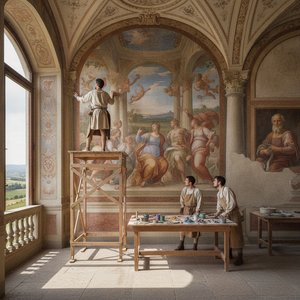
Explore the profound history and technical mastery of fresco painting. From ancient Roman murals to Michelangelo's Sistine Chapel, discover the enduring chemistry and artistry behind this timeless wall painting technique used by the world's greatest masters.

Explore the profound elegance of Baroque Classicism. Discover how 17th-century masters synthesized dramatic emotion with classical order through the lens of the Counter-Reformation and the works of legends like Carlo Maratta and Andrea Sacchi.


Maradjon naprakész a legfrissebb művészeti hírekkel, exkluzív ajánlatokkal és dekorációs ötletekkel.
Írja le nekünk projektjét, és művészeti szakértőink 3 személyre szabott műalkotási javaslatot készítenek Önnek.
Hagyjuk, hogy mi válogassunk ki Önnek 3 legjobb opciót – Ingyenesen!


 Megtekintés
 Küldés
 Megosztás
 Részletek

 Letöltés
 Hasonló darabok
 X-ray felvétel
 Diavetítés


 Összes részlet megjelenítése







 Az üvegkeretes opció csak 110 cm alatti méretben érhető el


