x

 Olajfestmény vászononFalfeliratok és faldekorációPoszt-impreszionista
 1889Modern kor
 39.0 x 46.0 cm
Kézzel festett olajvastú vászon, az Ön által választott méretben és keretben, művészeink készítik meglévőre. ( Váltás nyomtatványra Képváltás)





























Válasszon előre meghatározott méreteink közül, amelyek megfelelnek a műalkotás eredeti arányainak.

Ön megadhat saját méreteket egy adott kerethez vagy térhez igazításhoz. Ha a kiválasztott méret nem egyezik az eredeti kép arányával, akkor a műalkotást levágjuk, vagy további kézzel festett elemekkel meghosszabbítjuk a festményt. A gyártás megkezdése előtt küldünk Önnek egy digitális előnézetet jóváhagyásra.
Kérjük, vegye figyelembe, hogy a képernyőn megjelenő előnézet nem tükrözi a tényleges vágást vagy kiterjesztést. Csak az előnézet fog pontosan mutatni a végső kompozíciót.
Bár egyedi méretek állnak rendelkezésre, javasoljuk, hogy válasszon egy méretet az előre meghatározott listából az eredeti arányok megőrzése érdekében.
Világszerte elérhető szállítás () 3-4 hét alatt a szokásos 5 hét helyett. (8 augusztus). A minőség nem kérdőjelezhető.


A Szent Paulusz Egyetemi Kertet Ábrázoló Kőpad – Vincent van Gogh
A reprodukció mérete
Vincent van Gogh’s “The Stone Bench in the Garden at Saint-Paul Hospital” isn't merely a depiction of a garden; it’s a carefully constructed distillation of serenity, a poignant exploration of solace amidst the complexities of human experience. Painted in 1889 during his stay at the Saint-Rémy asylum – a period marked by intense emotional turmoil and creative fervor – this oil on canvas offers a glimpse into Van Gogh's evolving artistic vision and his profound connection to nature’s restorative power. The painting, measuring a modest 39 x 46 cm, currently resides within the Museo de Arte de São Paulo in Brazil, a testament to its enduring appeal and artistic merit.
The scene unfolds with an almost startling simplicity: a weathered stone bench occupies the central focus of the composition, nestled within a vibrant garden teeming with life. Lush trees, rendered in bold strokes of green and brown, frame the bench, while a profusion of potted plants – bursts of red, yellow, and purple – add splashes of color to the scene. A delicate fountain murmurs softly in the background, its gentle sound contributing to an atmosphere of quiet contemplation. Yet, it’s not merely the elements themselves that captivate; it's Van Gogh’s masterful manipulation of light and shadow, his ability to imbue a commonplace setting with an extraordinary sense of mood.
"The Stone Bench” firmly establishes Van Gogh as a pivotal figure within the Post-Impressionist movement. Rejecting the Impressionists’ focus on fleeting moments of light, Van Gogh sought to convey deeper emotions and subjective experiences through his art. This painting exemplifies this approach through its expressive use of color – not merely to represent reality but to evoke feeling. The vibrant hues are applied with thick, impasto brushstrokes, creating a tactile surface that invites the viewer’s touch. These visible marks of the artist's hand become integral to the work’s emotional resonance, conveying a sense of energy and immediacy.
Notice particularly how Van Gogh uses color to define space and create depth. The greens are not uniform; they shift in tone and intensity, suggesting variations in light and shadow. Similarly, the reds and yellows of the flowers seem to radiate warmth and vitality. This deliberate manipulation of color is a hallmark of Post-Impressionism, moving beyond mere representation towards a more subjective and emotionally charged portrayal of the world.
Adding subtle layers of narrative are two figures discernible in the background – one standing slightly to the left, and another nearer the right. Their presence isn’t overtly dramatic; rather, they serve as quiet witnesses to this tranquil scene, hinting at the human element within a natural setting. They represent an invitation for reflection on our place within the larger world, suggesting that even amidst solitude and introspection, connection remains possible.
A chair is strategically placed on the right side of the bench, inviting the viewer to imagine a moment of rest or conversation. This small detail subtly expands the scene’s potential narrative, transforming it from a simple garden view into a tableau of human interaction – a reminder that beauty and connection can be found in the most unexpected places.
"The Stone Bench in the Garden at Saint-Paul Hospital” is more than just a beautiful painting; it’s a window into the soul of one of art history’s most enigmatic figures. Painted during a period of intense personal struggle, the work reveals Van Gogh’s unwavering belief in the power of nature to heal and inspire. It's a testament to his ability to transform ordinary scenes into profound expressions of emotion.
Alongside this masterpiece, consider other works from Van Gogh’s prolific career, such as “The Schoolboy (Camille Roulin)” – a poignant portrait capturing the innocence of childhood – or “Landscape with Couple Walking and Crescent Moon” – a dreamy depiction of rural life. His influence continues to resonate through generations of artists, solidifying his place as a visionary whose work transcends time and speaks directly to the human heart. The Museo de Arte de São Paulo proudly houses this remarkable piece, ensuring that Van Gogh’s enduring vision remains accessible to all who seek beauty and inspiration.
Further Exploration: For a deeper understanding of Van Gogh's life and art, visit the Museo de Arte de São Paulo (Brazil) or explore resources like Wikipedia’s Vincent van Gogh page and Most-Famous-Paintings.com’s Vincent Van Gogh page.
movement: Post-Impressionism topics: Garden, Bench, Landscape, Tranquility, Figures, Plants, Fountain, Van Gogh creative_period: Mature Period corpus_context: Saint-Remy asylum series, exploring mental state, seeking peace, personal reflection, Japanese prints, Realism, Impressionism, Serenity

1853 - 1890 , Hollandia
Fedezze fel Vincent van Gogh 25 legikonikusabb művét! Ismerje meg a posztimpresszionizmus mesterének érzelmekkel teli festményeit, mint a Csillagos éj és Napraforgók. Műalkotások vásárlása otthoni dekorációhoz – Most-Famous-Paintings.com.

Discover exquisite Van Gogh reproductions from Most-Famous-Paintings – expert art specialists offering museum-quality prints & custom paintings. Trust our authentic process and elevate your collection today.

Fedezze fel Rembrandt van Rijn 25 legikonikusabb művét! Barokk portrék, bibliai jelenetek és önarcképek a Holland aranykorból. Művészeti reprodukciók prémium minőségben – Most-Famous-Paintings. Explore the full collection online!
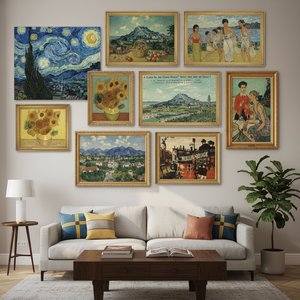
Fedezze fel a posztimpresszionizmus 10 legjelentősebb remekművét! Van Gogh, Cézanne és Gauguin alkotásainak története – inspiráló festmények otthonába. Prémium minőségű reprodukciók a Most-Famous-Paintings.com-on. Böngéssze online kínálatunkat!

Explore the profound emotional depth of Van Gogh's impasto technique. Discover how his sculptural brushstrokes and textured oil layers define Post-Impressionism through an expert art-historical lens, perfect for discerning collectors and fine art enthusiasts.


Maradjon naprakész a legfrissebb művészeti hírekkel, exkluzív ajánlatokkal és dekorációs ötletekkel.
Írja le nekünk projektjét, és művészeti szakértőink 3 személyre szabott műalkotási javaslatot készítenek Önnek.
Hagyjuk, hogy mi válogassunk ki Önnek 3 legjobb opciót – Ingyenesen!


 Előnézet
 Megosztás
 Megosztás
 Részletek

 Letöltés
 Hasonló alkotások
 X-ray felvétel
 Diavetítés
 Tovább olvasom







 Az üvegkeretes opció csak 110 cm alatti méretben érhető el