x

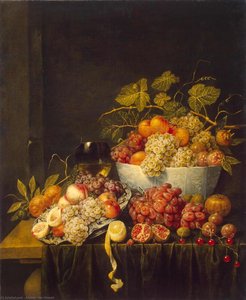
 Dutch Golden Age
 27.0 x 34.0 cm
 Fitzwilliam College
ტილოზე შესრულებული ფერწერიანი ზეთប្រდათი, თქვენთვის სასურველი ზომისა და ჩარჩოსთვის, ჩვენი ხელოვანების მიერ შეკვეთის საფუძველზე დამზადებული. ( შეიძინეთ პრინტი შეიძინეთ გამოსახულება)
აირჩიეთ ჩვენს მიერ წინასწარ განსაზღვრული ზომებიდან, რომლებიც ნაწარმოების ორიგინალურ პროპორციებს შეესაბამება.

თქვენ შეგიძლიათ მიუთითოთ თქვენთვის სასურველი ზომები კონკრეტული ჩარჩოს ან სივრცის შესაბამისად. თუ თქვენ მიერ არჩეული ზომა არ შეესაბამება ორიგინალი გამოსახულების პროპორციებს, ჩვენ ან შევაჭრებთ ნაწარმოებს, ან ტილოზე დავამატებთ ხელით მოხატულ ელემენტებს. წარმოების დაწყებამდე, დამტკიცებისთვის გამოგეგზავნებათ ციფრული მაკეტი.
გთხოვთ, გაითვალისწინოთ, რომ ეკრანზე ნაჩვენები წინასწარი შეხედულება არ ასახავს რეალურ შეჭრას ან გაფართოებას. საბოლოო კომპოზიციას ზუსტად მხოლოდ მაკეტი წარმოაჩენს.
მიუხედავად იმისა, რომ შესაძლებელია ინდივიდუალური ზომების შერჩევა, ორიგინალური პროპორციების შენარჩუნებისათვის გირჩევთ, გამოიყენოთ წინასწარ განსაზღვრული სიის ზომები.
მიწოდება მსოფლიო მასშტაბით -ში 3/4 კვირაში, სტანდარტული 5 კვირის ნაცვლად. (14 აგვისტო). ხარისხზე კომპრომისის გაკეთება არ მოხდება.


A Vase of Flowers
რეკლამაციის ზომა

In the vibrant, bustling heart of seventeenth-century Antwerp, a period defined by both artistic splendor and scientific awakening, Jan van Kessel the Elder emerged as a master of the minute. Born in 1626 into one of the most illustrious artistic dynasties in Flemish history, Kessel was more than just a painter; he was a visual chronicler of the natural world. As the grandson of the legendary Jan Brueghel the Elder and the son of Hieronymus van Kessel the Younger, his very existence was woven into the fabric of the Northern Mannerist tradition. Yet, while he inherited a profound respect for the allegorical depth and lush landscapes of his forebears, Kessel sought to capture something far more intimate: the hidden, microscopic marvels that resided in the shadows of gardens and the delicate veins of flower petals.
His early training was a rigorous immersion into the Antwerp school, shaped by the disciplined observation required of a true blomschilder. By joining the Guild of Saint Luke in 1644, he formally committed himself to the art of botanical painting. This period of his life was marked by an extraordinary synthesis of artistic flair and scientific curiosity. Influenced by the works of masters like Daniel Seghers and Joris Hoefnagel, Kessel did not merely paint flowers; he studied them with the eye of a naturalist. His work became a bridge between the aesthetic beauty of the Baroque era and the burgeoning empirical spirit of the Scientific Revolution, turning the canvas into a window through which the wonders of entomology and botany could be examined by the curious minds of Europe.
To gaze upon a true Kessel masterpiece is to enter a realm where scale disappears and detail reigns supreme. He was particularly renowned for his use of copper panels, a medium that provided a luminous, smooth surface capable of supporting his incredibly fine brushwork. This choice of support allowed him to achieve a level of brilliance and clarity that oil on canvas often struggled to match. On these gleaming surfaces, Kessel rendered the iridescent wings of butterflies, the translucent bodies of beetles, and the velvety textures of rose petals with such startling accuracy that his paintings often functioned as miniature encyclopedological studies.
His repertoire was as diverse as the natural world itself, ranging from:
There is a profound sense of wonder in his ability to manipulate nature through artifice. In his hands, a simple sprig of rosemary becomes a stage for a drama of tiny creatures, and a single butterfly becomes a jewel of light and color. This mastery of the miniature allowed his works to be highly prized by a sophisticated clientele, including wealthy merchants, nobles, and foreign luminaries who sought to possess these small, portable wonders within their private collections.
The significance of Jan van Kessel the Elder extends far beyond the borders of Antwerp. He represents a pivotal moment in art history when the boundaries between the artist's studio and the scientist's laboratory began to blur. His ability to infuse scientific accuracy with aesthetic elegance helped define the Flemish Baroque style for a generation. Through his meticulous documentation of species, he contributed to the cultural zeitgeist of an age obsessed with discovery and the cataloging of the unknown.
Though his life was cut short in 1679, his influence persisted through his family and his enduring impact on the genre of still life. His descendants continued the family tradition, ensuring that the Kessel name remained synonymous with botanical excellence. Today, when we look at his works in institutions such as the National Gallery of Art, we do not merely see old paintings; we see the heartbeat of a century that dared to look closer, finding infinite complexity in the smallest of living things. He remains a testament to the idea that true greatness is often found not in the grand and sweeping gesture, but in the quiet, breathtaking precision of a single, perfectly rendered wing.

1626 - 1679

Explore the dramatic mastery of the Dutch Baroque era. Discover how masters like Rembrandt used chiaroscuro to transform everyday life into timeless art. An expert guide for collectors and enthusiasts seeking to understand the profound interplay of light and shadow.

Explore the profound mastery of light and shadow in Dutch Golden Age painting. From chiaroscuro to atmospheric landscapes, discover the techniques that defined an era and learn how to bring these timeless masterpieces into your home through museum-quality oil reproductions.

Explore the profound connection between the Dutch Republic's global trade empire and its unparalleled artistic achievements. Discover how 17th-century masters transformed everyday life into timeless masterpieces through light, realism, and unmatched technical brilliance.


ყოველთვის პირველი იყავით უახლესი ხელოვნების სიახლეების, ექსკლუზიური შეთავაზებებისა და დეკორაციის იდეების შესახებ ინფორმირებული.
გვიამარტეთ თქვენი პროექტის შესახებ და ჩვენი ხელოვნების ექსპერტები მოგაწვდით 3 პერსონალიზებულ რეკომენდაციას.
დაგვიძlinეთ სამი ვარიანტის შერჩევა სპეციალურად თქვენთვის – უფასოდ!


 წინასწარი ნახვა
 გაგზავნა
 გაზიარება
 დეტალები

 ჩამოტვირთვა
 მსგავსები
 რენტგენოგრაფიული კვლევა
 სლაიდშოუ
 გადასართად დაწვრილებით ნახეთ




































 მინის ჩარჩოს არჩევანი ხელმისაწვდომია მხოლოდ 110 სმ-ზე ნაკლები ზომისთვის