


x
 Neoclassicism
 1792რენესანსი
 229.0 x 298.0 cm
 Roy Miles gallery
ტილოზე შესრულებული ფერწერიანი ზეთប្រდათი, თქვენთვის სასურველი ზომისა და ჩარჩოსთვის, ჩვენი ხელოვანების მიერ შეკვეთის საფუძველზე დამზადებული. ( გადართვა ბეჭდვაზე გადართვა სურათზე)





























აირჩიეთ ჩვენს მიერ წინასწარ განსაზღვრული ზომებიდან, რომლებიც ნაწარმოების ორიგინალურ პროპორციებს შეესაბამება.

თქვენ შეგიძლიათ მიუთითოთ თქვენთვის სასურველი ზომები კონკრეტული ჩარჩოს ან სივრცის შესაბამისად. თუ თქვენ მიერ არჩეული ზომა არ შეესაბამება ორიგინალი გამოსახულების პროპორციებს, ჩვენ ან შევაჭრებთ ნაწარმოებს, ან ტილოზე დავამატებთ ხელით მოხატულ ელემენტებს. წარმოების დაწყებამდე, დამტკიცებისთვის გამოგეგზავნებათ ციფრული მაკეტი.
გთხოვთ, გაითვალისწინოთ, რომ ეკრანზე ნაჩვენები წინასწარი შეხედულება არ ასახავს რეალურ შეჭრას ან გაფართოებას. საბოლოო კომპოზიციას ზუსტად მხოლოდ მაკეტი წარმოაჩენს.
მიუხედავად იმისა, რომ შესაძლებელია ინდივიდუალური ზომების შერჩევა, ორიგინალური პროპორციების შენარჩუნებისათვის გირჩევთ, გამოიყენოთ წინასწარ განსაზღვრული სიის ზომები.
მიწოდება მსოფლიო მასშტაბით -ში 3/4 კვირაში, სტანდარტული 5 კვირის ნაცვლად. (5 აგვისტო). ხარისხზე კომპრომისის გაკეთება არ მოხდება.


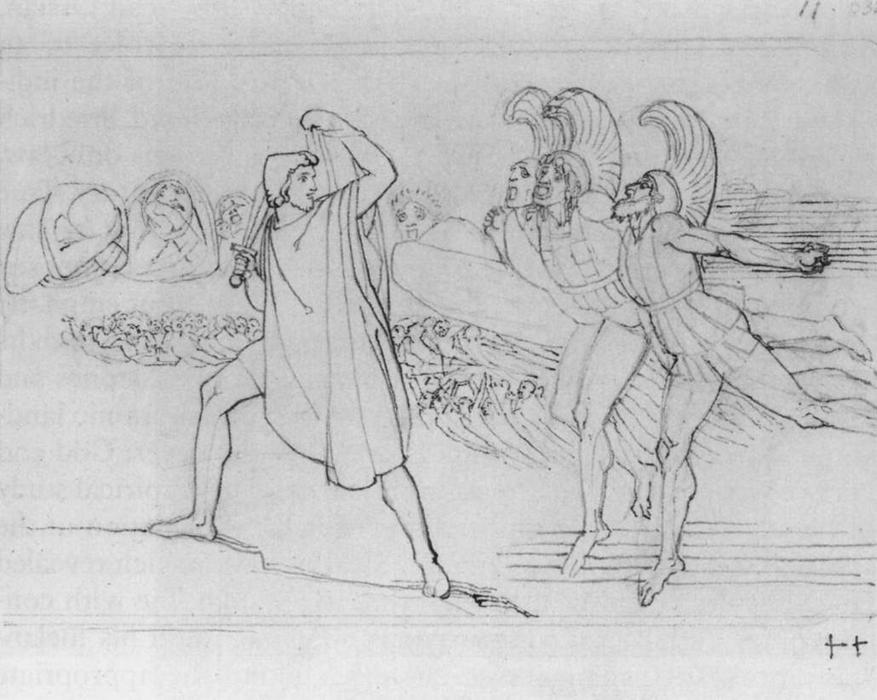
Odysseus svatiani meoneti (Odysseus in the Underworld)
რეკლამაციის ზომა
John Flaxman’s ‘Odysseus in the Underworld,’ completed in 1793, is far more than a simple illustration; it's a profound meditation on Homeric themes filtered through the lens of Neoclassicism. This remarkable sketch captures a pivotal moment – Odysseus’s perilous descent into the realm of the dead to seek counsel from Tiresias – an image brimming with both dread and heroic determination. Flaxman masterfully translates the epic poem’s core anxieties about fate, mortality, and the cunning required for survival, creating a work that continues to resonate with viewers centuries later.
Executed entirely in pen and ink on paper, Flaxman's technique is nothing short of breathtaking. He doesn’t merely depict form; he *builds* it through an astonishingly precise deployment of hatching and cross-hatching. Imagine a sculptor working with light and shadow, translating three dimensions onto a two-dimensional surface. The heavy use of linear shading creates a dramatic chiaroscuro effect, emphasizing the muscularity of Odysseus’s figure and the oppressive atmosphere of the underworld. Notice how Flaxman avoids broad areas of tone, favoring instead a granular approach – almost like meticulously applied charcoal dust – that lends the image an incredible tactile quality; you can practically feel the grit beneath your fingertips. This painstaking detail isn't just decorative; it’s fundamental to the work’s power and emotional impact.
Flaxman’s work emerged during a period of intense revival of interest in classical antiquity, fueled by the Enlightenment. The Neoclassical movement, championed by figures like Jacques-Louis David, sought to recapture the artistic principles and subject matter of ancient Greece and Rome. This sketch is a direct embodiment of this influence – Odysseus himself is portrayed with heroic grandeur, echoing the idealized depictions of Greek heroes found in Roman sculpture. Flaxman’s commitment to anatomical accuracy and his meticulous attention to detail were hallmarks of the Neoclassical style, a deliberate reaction against the perceived frivolity and ornamentation of the Rococo period. He was striving for clarity, order, and moral purpose – values deeply rooted in classical thought.
‘Odysseus in the Underworld’ is rich with symbolic meaning. The journey into the underworld represents not just a physical quest but also a confrontation with mortality and the unknown. Odysseus's desperate plea to Tiresias for guidance speaks to the universal human desire for knowledge, prophecy, and ultimately, control over one’s destiny – a struggle that remains profoundly relevant today. The stark lighting, the tormented expressions of the figures (even in this sketch), and the overall sense of foreboding all contribute to a powerful exploration of the darker aspects of the human condition – themes that resonate deeply with our own anxieties about life, death, and the choices we make. This isn’t simply a story of a hero; it's an allegory for the challenges inherent in navigating a complex world.
This hand-painted reproduction captures the essence of Flaxman’s original sketch, offering a window into a pivotal moment in Western art history. Whether you are an admirer of classical mythology, a collector of fine art reproductions, or simply seeking to infuse your interior space with a touch of timeless elegance and dramatic power, this artwork is sure to captivate and inspire. It's a piece that invites contemplation, sparking the imagination and reminding us of the enduring themes explored in Homer’s epic poem.


1755 - 1826 , United States of America

Explore the captivating Neo-Classical world of John William Godward. Discover his exquisite paintings, artistic influences, and investment potential. Expert analysis for discerning collectors.

Explore the revival of classical ideals in Neoclassical art! Discover Jacques-Louis David & the movement's impact on painting, sculpture & architecture. Expert insights & high-quality reproductions at Most-Famous-Paintings.

Delve into the power of 'Ivory Black' with 10 iconic paintings by masters like Rembrandt & Caravaggio. Explore dramatic chiaroscuro, gothic moods & timeless art history. Find museum-quality reproductions and elevate your home decor at
Delve into the power of 'Mars Black' with 10 iconic paintings by masters like Rembrandt & Caravaggio. Explore dramatic chiaroscuro, gothic art, and timeless beauty. Find museum-quality reproductions & elevate your home decor on .

Explore the rich history & artistic power of black and white photography. From early techniques to iconic masters like Ansel Adams, discover why monochrome continues to captivate art lovers today. Expert insights for collectors.


ყოველთვის პირველი იყავით უახლესი ხელოვნების სიახლეების, ექსკლუზიური შეთავაზებებისა და დეკორაციის იდეების შესახებ ინფორმირებული.
გვიამარტეთ თქვენი პროექტის შესახებ და ჩვენი ხელოვნების ექსპერტები მოგაწვდით 3 პერსონალიზებულ რეკომენდაციას.
დაგვიძlinეთ სამი ვარიანტის შერჩევა სპეციალურად თქვენთვის – უფასოდ!


 წინასწარი ნახვა
 გაგზავნა
 გაზიარება
 დეტალები

 ჩამოტვირთვა
 მსგავსები
 რენტგენოგრაფიული კვლევა
 სლაიდშოუ
 გადასართად დაწვრილებით ნახეთ







 მინის ჩარჩოს არჩევანი ხელმისაწვდომია მხოლოდ 110 სმ-ზე ნაკლები ზომისთვის


