გაყიდეთ თქვენი ხელოვნება
სურვილების სია စျေးდაკლებული კალათა Cart
x
გადართვა ბეჭდვაზე გადართვა ბეჭდვაზეგადართვა სურათზე გადართვა სურათზე გაგზავნაგაგზავნა
დეტალებიდეტალები დამატება ფავორიტებში დამატება ფავორიტებში ჩამოტვირთვაჩამოტვირთვა მსგავსებიმსგავსები სლაიდშოუსლაიდშოუ

Explore Pieter Bruegel’s ‘Tower of Babel’! A monumental 1563 oil painting depicting human ambition & divine judgment. Northern Renaissance detail, rich symbolism, and historical significance. The Tower of Babel artworks_database /en/art/pieter-bruegel-

ბრუგელის "ბაბილონის კოშკი" - რენესანსის შედევრი, რომელიც ადამიანის ამბიციასა და ღმერთის სასჯელს ასახავს. აღმოაჩინეთ სიმბოლიზმი და ისტორიული მნიშვნელობა!

პიერ ბრუგელი დიდი ფლამენური მხატვარი იყო რომელიც ცნობილია სად სცენების და ჩიაროსკურო მღვაჭრილი სტილისთვის და მნიშვნელოვანი როლი ითამაშა ნიდერლანდების ხელოვნებაში. აღმოჩენა მისი ძირითადი ნაწილია!

ხელით ნაკვეთი ზეთის ტილოს რეპროდუქცია

ტილოზე შესრულებული ფერწერიანი ზეთប្រდათი, თქვენთვის სასურველი ზომისა და ჩარჩოსთვის, ჩვენი ხელოვანების მიერ შეკვეთის საფუძველზე დამზადებული. (გადართვა ბეჭდვაზე გადართვა ბეჭდვაზეგადართვა სურათზე გადართვა სურათზე)

P118B $10
P118H $10
P118W $10
P438Z $10
P508JH $12
P508YH $12
P805H $10
P805Z $10
P919BZ $10
P919G $10
P919XJ $10
P959ZH $10
P968JZ $12
W106C $8
W218G $10
W218JH $8
W218Y $10
W307PJ $10
W316G $10
W316PJ $8
W316Y $10
W398PJ $8
W4111J $10
W500HY $15
W500JH $15
W692G $12
W849H $8
W940BG $15
W953PJ $8

Standard
custom
CM
INCH

აირჩიეთ ჩვენს მიერ წინასწარ განსაზღვრული ზომებიდან, რომლებიც ნაწარმოების ორიგინალურ პროპორციებს შეესაბამება.

სიგანე
სიმაღლე

თქვენ შეგიძლიათ მიუთითოთ თქვენთვის სასურველი ზომები კონკრეტული ჩარჩოს ან სივრცის შესაბამისად. თუ თქვენ მიერ არჩეული ზომა არ შეესაბამება ორიგინალი გამოსახულების პროპორციებს, ჩვენ ან შევაჭრებთ ნაწარმოებს, ან ტილოზე დავამატებთ ხელით მოხატულ ელემენტებს. წარმოების დაწყებამდე, დამტკიცებისთვის გამოგეგზავნებათ ციფრული მაკეტი.
გთხოვთ, გაითვალისწინოთ, რომ ეკრანზე ნაჩვენები წინასწარი შეხედულება არ ასახავს რეალურ შეჭრას ან გაფართოებას. საბოლოო კომპოზიციას ზუსტად მხოლოდ მაკეტი წარმოაჩენს.
მიუხედავად იმისა, რომ შესაძლებელია ინდივიდუალური ზომების შერჩევა, ორიგინალური პროპორციების შენარჩუნებისათვის გირჩევთ, გამოიყენოთ წინასწარ განსაზღვრული სიის ზომები.

რა შეიძლება შეიცვალოს: სახის ჩანაცვლება მომხმარებლის ფოტოთი; შინაური ცხოველის დამატება (მაგ., კატის ჩანაცვლება ძაღლით); ფონზე ფარული შეტყობინების დამატება; ფონის პეიზაჟის ან ელემენტების შეცვლა.
შეკვეთის შემდეგ, Most-Famous-Paintings.com გუნდი დაგიკავშირდებათ ელექტრონული ფოსტით ინსტრუქციებისთვის და გამოგიგზავნით წინასწარ ნახაზს (mockup).

მიწოდება მსოფლიო მასშტაბით -ში 3/4 კვირაში, სტანდარტული 5 კვირის ნაცვლად. (5 აგვისტო). ხარისხზე კომპრომისის გაკეთება არ მოხდება.

why_choose_icon
უფასო ექსპრეს მიწოდება მთელ მსოფლიოში
why_choose_icon
საბამად მაღალი ხარისხის ტილო
why_choose_icon
სრული ტრანსპორტირების დაზღვევა
why_choose_icon
საბაჟო გადასახადების დაბრუნების გარანტია
why_choose_icon
ფერების სრული შესაბამისობის გარანტია
why_choose_icon
60-დღიანი დაბრუნების პოლიტიკა (მხოლოდ დეფექტის შემთხვევაში)
why_choose_icon
100% თანხის დაბრუნების გარანტია
why_choose_icon
ფასდაკლება დიდი რაოდენობით შეკვეთისას

ჯამური ღირებულება

$ 422

reproduction

Explore Pieter Bruegel’s ‘Tower of Babel’! A monumental 1563 oil painting depicting human ambition & divine judgment. Northern Renaissance detail, rich symbolism, and historical significance. The Tower of Babel artworks_database /en/art/pieter-bruegel-

რეკლამაციის ტექნიკა

რეკლამაციის ზომა

-

საბოლოო ფასი

$ 422

მოკლე ინფორმაცია

  • movement: Northern Renaissance
  • influences: Roman architecture, religious turmoil of the time
  • notable elements: Tower construction, chaotic activity, human ambition, divine punishment
  • year: 1563
  • title: The Tower of Babel
  • dimensions: 114 x 155 cm

ხელოვნების ტესტი

თითოეულ კითხვაზე მხოლოდ ერთი სწორი პასუხია.

კითხვა 1:
In what year was Pieter Bruegel the Elder's 'The Tower of Babel' painted?
კითხვა 2:
What biblical story does 'The Tower of Babel' depict?
კითხვა 3:
Which artistic movement is Pieter Bruegel the Elder most closely associated with?
კითხვა 4:
What is a prominent theme explored in 'The Tower of Babel'?
კითხვა 5:
The architecture within the painting incorporates elements from various styles. Which is NOT mentioned in the description?

ნაწარმოების აღწერა

ბელისოეთის კოშკი: ადამიანის ამბიციისა და ღმერთის განაჩენის სიმბოლო

Pieter Bruegel the Elder-ის 1563 წლის შედევრი, "ბელისოეთის კოშკი", უბრალოდ ბიბლიური მოთხრობის აღწერა არ არის; ესაა ღრმა ფილოსოფიური მსჯელობა ადამიანის მისწრებნებზე, საზოგადოების ძალზედ გაერთიანებულ შრომებზე და ამბიციისაგან გამოწვეული განუვალი შედეგების შესახებ. ეს მონუმენტალური ტილო ასახავს ბელისოეთის კოშკის აწყობას – სტრუქტურას, რომელიც, როგორც ვშიშვლად აღნიშნულია დაბადებაში (Genesis), უნდა მიეღწია ზეციერს. ამ ნაწარმოების გამორჩეული ძალაუფლება არა მხოლოდ მოთხრობაში, არამედ ბრუგელის მხატვრული შესრულებისა და სიმბოლური στρωμάτων მრავალფეროვნებაში მდგომარეობს.

ჩრდილოეთის რენესანსის დეტალი და ტექნიკა

ზეთის საღებავით ხის პანელზე შესრულებული ეს ნამუშევარი, რომელიც იმ დროს გავრცელებულ მეთოდს წარმოადგენდა, სრულყოფილად ასახავს ჩრდილოეთის რენესანსის სტილს. ბრუგელი არ უბრალოდ გვიჩვენებს კოშკს; ის ჩვენს გვერდით აძლევს თავად მშენებლობის მრავალხმიანი პროცესს. მხატვრის ტექნიკის ერთ-ერთი გამორჩეული თვისებაა ფრთხილად გათვლილი ხაზები, გლაზურების στρωματοποίηση, რათა მიღწევადია მდიდრული ფაქტურები და თითქმის ენციკლოპედიური დეტალებზე ყურადღება. თითოეული აგური, თითოეული ხის ძელი, თითოეეული ადამიანი ამ მასშტაბურ საქმედს უზადესი სიძნელეებს მატებთ. ეს სიკეთე არ იყო მხოლოდ ესთეტიკური; ისემსახურებოდა იმის ხაზგასმას, რამდენად დიდია ადამიანის ძალისხმევა – და საბოლოო ჯამში, ამ დიდებული საქმის უშედეგოებას.

ისტორიული და რელიგიური კონტექსტი

დაწერილი რელიგიურ და პოლიტიკურ არასტაბილურობის პერიოდში ნიდერლანდებში, ეს ტილო გამოხატავს შეშფოთებას ადამიანის ამბიციისა და საზოგადოების გაერთიანების შესახებ. ბელისოეთის კოშკის ისტორია ხშირად განიხილებოდა, როგორც 경고 მოგვიწერს თავქარიანობასა და არასწრაფვას ერთიანობისკენ. 16-ე საუკუნის ანტვერპში, რომელიც იყო მნიშვნელოვანი სავაჭრო ცენტრი და რელიგიური კონფლიქტის ადგილსამყოფელია კათოლიკებსა და პროტესტანტებს შორის, გაერთიანებული საზოგადოების ხედვა, რომელიც მიისწრაფოდა მიუღწეველ მიზნებს, განსაკუთრებული რეზონანსს იწვევდა. ბრუგელი ფარულად ამ თანამედროვე შეშფოთებებს გამოხატავს სხვადასხვა არქიტექტურული სტილის აღწერით – რომაული, გოთიკური, თუნდაც აღმოსავლური გავლენები, რაც მიანიშნებს ერთიანობის ნაკლებობაზე.

სიმბოლიზმის გასწავლება

კოშკი თავად წარმოადგენს ადამიანის მცდელობას მიაღწიოს ზეციერს და გამოეხმაროს ღმერთის 권한. ტილოში აღიქმება შთამთევნელი განწყობა, რომელიც მომავალში მოხდება. ბრუგელის ნაწარმოები არის არა მხოლოდ მხატვრული შედევრი, არამედ ისტორიული დოკუმენტიც, რომელიც ასახავს იმ პერიოდის საზოგადოებრივ და რელიგიურ აზრებს.

მხატვრის ბიოგრაფია

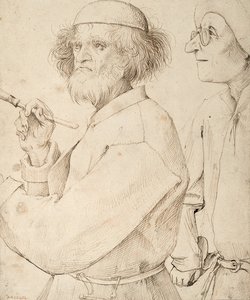
Pieter Bruegel the Elder – A Titan of Northern Renaissance Painting

Pieter Bruegel the Elder, born around 1525 in Breda (modern Netherlands), remains one of the most celebrated figures in Flemish art history—a painter whose distinctive style and profound engagement with human experience continue to fascinate audiences centuries later. While definitive biographical details remain elusive, scholarly consensus points to a formative upbringing amidst the burgeoning mercantile culture of Brabant, then part of Habsburg Spain, shaping his artistic sensibilities from an early age. His apprenticeship under Pieter Coecke van Aelst—a renowned Antwerp artist and designer—provided him with invaluable technical training in oil painting and drawing, exposing him to humanist ideas circulating throughout Europe during this period. This influential mentor instilled in Bruegel a fascination for Italian Renaissance art, though crucially, he resisted adopting its stylistic conventions wholesale, forging instead a uniquely Northern European path.

Early Artistic Development and Influences

Bruegel’s artistic journey commenced around 1545, coinciding with his enrollment as an apprentice at Coecke van Aelst's workshop—a hub of artistic innovation where traditional techniques intersected with emerging humanist currents. The workshop’s emphasis on meticulous observation and detailed rendering profoundly impacted Bruegel’s visual vocabulary, foreshadowing the hallmark characteristics of his later oeuvre. Notably, Bruegel encountered the works of Hieronymus Bosch—another Antwerp artist whose unsettling visions of Hell and grotesque imagery exerted a considerable influence on Bruegel's artistic imagination. This encounter solidified Bruegel’s commitment to exploring themes of morality and spirituality alongside depictions of everyday life—a distinction that would define his distinctive artistic vision.

Travels and Artistic Transformation

Between 1551 and 1553, Bruegel undertook extensive travels through France, Switzerland, and Italy—ventures that served as catalysts for transformative artistic growth. These expeditions afforded him unparalleled access to Italian Renaissance masterpieces, prompting him to absorb their compositional strategies and stylistic refinements without succumbing to imitation. The Alps—with their dramatic peaks and valleys—became a recurring motif in Bruegel’s landscapes, reflecting his fascination with the sublime beauty of nature and informing the atmospheric perspective characteristic of his paintings. Upon returning to Antwerp in 1553, Bruegel secured membership into the Guild of Saint Luke—a pivotal step signifying his professional recognition and establishing him as a respected artist within the city's vibrant artistic milieu.

The Quintessence of Northern Renaissance Vision

Bruegel’s artistic genius resided in his ability to transcend conventional representations of religious iconography or classical mythology, opting instead for scenes from rural life—peasants laboring in fields, villagers celebrating festivals, hunters traversing snowy landscapes. This bold departure from established artistic norms underscored Bruegel's humanist conviction that beauty and truth could be found not only in grand narratives but also in the commonplace realities of human existence. His landscapes weren’t merely decorative backgrounds; they functioned as active participants in the narrative—infused with symbolic meaning and reflecting a profound understanding of nature’s power and vulnerability. Works like *The Tower of Babel* exemplify Bruegel's masterful command of composition and detail, conveying complex theological ideas through visually arresting imagery.

Legacy and Enduring Influence

Pieter Bruegel the Elder’s legacy extends far beyond his own lifetime—his influence reverberating across subsequent generations of artists who embraced his distinctive style and thematic concerns. He established a precedent for depicting rural life with unflinching realism—a stylistic innovation that profoundly shaped the trajectory of Dutch Golden Age painting, inspiring artists like Isaac van Ostade and Adriaen Brouwer to explore similar subjects with comparable artistic rigor. Moreover, Bruegel’s pioneering use of chiaroscuro—the dramatic interplay of light and shadow—became a cornerstone of Northern Renaissance aesthetics—influencing painters who sought to capture the emotional depth and psychological complexity inherent in human experience. His enduring impact is palpable even today—his paintings adorning museums worldwide and continuing to provoke contemplation on themes of mortality, faith, and the human condition—solidifying his position as one of the most transformative figures in art history.
პიเตอร์ ბრეგელი დიდი ძველი

პიเตอร์ ბრეგელი დიდი ძველი

1525 - 1569 , სამხარეო ბელგია

მოკლე ინფორმაცია

  • Artistic Movement Or Style: Ренессансская живопись
  • Artists Or Movements Influenced By This Artist: ['Голландская золотая эра']
  • Artists Who Influenced This Artist: ['Хиеронимиус Бош']
  • Date Of Birth: c. 1525
  • Date Of Death: 1569
  • Full Name: Pieter Bruegel the Elder
  • Nationality: Фламандский
  • Notable Artworks:
    • Ландшафт с Эгиптом
    • Триумф смерти
    • Свадьба крестьян
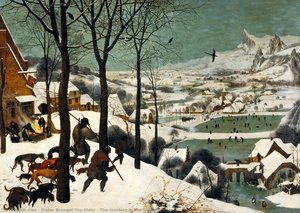
    • Охота в снег
  • Place Of Birth: Бреда, Нидерланды
აღმოაჩინეთ ხელოვნების ნაწარმოებები თემების, სტილისა და მახასიათებლების მიხედვით დაჯგუფებული.