


x





























작품의 원본 비율을 유지하는 미리 설정된 크기 중에서 선택하세요.

특정 프레임이나 공간에 맞도록 직접 크기를 입력할 수 있습니다. 선택하신 크기가 원본 이미지의 비율과 일치하지 않는 경우, 작품을 자르거나 추가적인 손으로 그린 요소를 사용하여 그림을 확장합니다. 제작 시작 전 승인을 위해 디지털 목업을 보내드립니다.
화면 미리 보기는 실제 자르기 또는 확장을 반영하지 않습니다. 최종 구성은 목업을 통해서만 정확하게 확인하실 수 있습니다.
맞춤 크기 제작도 가능하지만, 원본 비율을 유지하기 위해 사전 정의된 목록에서 크기를 선택하시는 것을 권장합니다.

The sleeping girl
복제본 크기
Egon Schiele's "The Sleeping Girl," painted in 1913, isn’t merely a depiction of repose; it’s a profoundly unsettling meditation on mortality, vulnerability, and the precariousness of existence – hallmarks of the artist’s Expressionist style. The painting immediately draws the viewer into a scene of startling intimacy: a young woman, draped in a simple yet elegant yellow dress, rests her head upon her hand, seemingly lost in a dream or perhaps a deeper contemplation. Her posture is remarkably relaxed, almost languid, yet there's an underlying tension, a sense of contained sorrow that permeates the entire composition. The stark white background serves to isolate the figure, amplifying her solitude and intensifying the emotional weight of the scene.
Schiele’s technique is characterized by his distinctive, raw lines – bold, almost frantic strokes that convey both physical presence and psychological turmoil. He eschews smooth surfaces or idealized forms, opting instead for a deliberately unfinished quality, as if capturing a fleeting moment before it vanishes entirely. Notice the way he renders the fabric of her dress; it’s not meticulously detailed but rather suggested through loose, expressive brushstrokes, contributing to the painting's overall sense of immediacy and vulnerability. The use of color is equally deliberate – the vibrant yellow of her gown stands in stark contrast to the cool neutrality of the background, further emphasizing her presence and drawing attention to her delicate features.
To fully appreciate “The Sleeping Girl,” it’s crucial to understand the context within which Schiele was working. The early 1910s were a period of immense upheaval in Europe, marked by the looming threat of World War I and a pervasive sense of anxiety and uncertainty. Schiele's personal life mirrored this atmosphere; his father succumbed to syphilis when Egon was just fourteen, a devastating loss that profoundly shaped his artistic vision. The painting can be interpreted as a reflection of this trauma – a yearning for solace and peace amidst the chaos of existence. The image resonates with themes frequently explored by Schiele: illness, death, and the struggle to find beauty in the face of suffering.
Vienna at the time was a city grappling with social change and artistic innovation, yet also burdened by a dark undercurrent of repression and psychological distress. Schiele’s work often served as an exploration of these conflicting forces, delving into the darker recesses of the human psyche. The painting's melancholic mood is further reinforced by the subtle details – the downward gaze, the slight downturn of her lips, and the overall sense of quietude—all hinting at a hidden sadness.
Beyond its immediate visual impact, “The Sleeping Girl” is rich in symbolic meaning. The sleeping posture itself represents a state of suspension, a detachment from reality – perhaps a desire to escape the anxieties of the world. The high heels, a detail often overlooked, add an element of elegance and sophistication, suggesting a yearning for beauty and refinement amidst the prevailing gloom. However, they also subtly hint at the constraints imposed upon women in that era, adding another layer of complexity to the image.
Some art historians have linked the painting to Schiele’s fascination with death and decay, themes frequently explored in his oeuvre. The girl's pale complexion and relaxed posture evoke a sense of mortality, as if she is already on the verge of passing away. Yet, there’s also an undeniable beauty in her stillness—a quiet dignity that transcends the painting’s darker undertones. Ultimately, “The Sleeping Girl” remains an enigmatic work, inviting viewers to contemplate its multiple layers of meaning and to connect with the artist's profound exploration of human emotion.

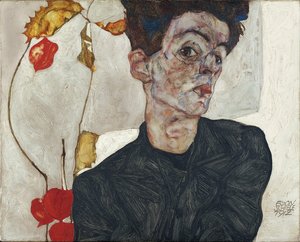
1890 - 1918 , 오스트리아 크로아티아

Explore the profound history of Surrealist Expressionism. Discover how artists blended dream logic with raw emotion to navigate post-war trauma through masterful, evocative imagery and psychological depth.

Explore the profound history of Expressionism. From Edvard Munch to Jackson Pollock, discover how artists used distortion and color to convey raw emotion. A definitive guide for art lovers seeking deep historical context and mastery in fine art reproductions.
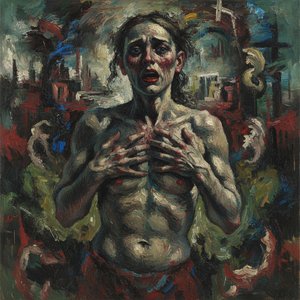
Explore the profound depth of Figurative Expressionism. From Edvard Munch to William H. Johnson, learn how masters use the human form to capture raw emotion through color and distortion in this expert art history guide.


최신 미술 뉴스, 특별 혜택 및 인테리어 아이디어를 가장 먼저 만나보세요.
프로젝트에 대해 알려주시면 저희 미술 전문가들이 맞춤형 아트 제안 3가지를 전달해 드립니다.
당신만을 위한 맞춤형 옵션 3가지를 무료로 추천해 드립니다!


 미리보기
미리보기
 프린트 구매
 공유하기
공유하기 공유하기
공유하기
 상세 정보
상세 정보

 다운로드
다운로드
 유사 작품
유사 작품 X-레이
X-레이 슬라이드 쇼

 더 보기
더 보기









 유리 옵션은 110cm 미만 크기에서만 선택 가능합니다.


