x





























작품의 원본 비율을 유지하는 미리 설정된 크기 중에서 선택하세요.

특정 프레임이나 공간에 맞도록 직접 크기를 입력할 수 있습니다. 선택하신 크기가 원본 이미지의 비율과 일치하지 않는 경우, 작품을 자르거나 추가적인 손으로 그린 요소를 사용하여 그림을 확장합니다. 제작 시작 전 승인을 위해 디지털 목업을 보내드립니다.
화면 미리 보기는 실제 자르기 또는 확장을 반영하지 않습니다. 최종 구성은 목업을 통해서만 정확하게 확인하실 수 있습니다.
맞춤 크기 제작도 가능하지만, 원본 비율을 유지하기 위해 사전 정의된 목록에서 크기를 선택하시는 것을 권장합니다.

Self-Portrait with Outstretched Arms1911
복제본 크기
Egon Schiele's "Self-Portrait with Outstretched Arms" (1911) isn’t merely a depiction of a man; it’s an intensely personal and psychologically charged exploration of vulnerability, longing, and the very act of reaching for something just beyond grasp. Painted during a period of profound artistic and emotional upheaval in his life, this work stands as a cornerstone of Expressionism, capturing the raw energy and unsettling beauty that defined Schiele's unique vision. The painting immediately commands attention with its dramatic composition – the figure dominates the canvas, positioned seemingly adrift within a stark white void. This deliberate isolation amplifies the sense of yearning radiating from the subject’s outstretched arms, inviting the viewer to step into his world of intense feeling.
Schiele's masterful use of line is paramount here. The limbs are elongated and sinuous, almost skeletal in their fragility, conveying a sense of both physical vulnerability and an urgent desire for connection. Notice how the lines converge towards the outstretched hands – they aren’t simply extended; they vibrate with a palpable energy, suggesting a desperate plea or perhaps even a silent scream. The brown jacket, rendered with quick, decisive brushstrokes, provides a grounding element amidst the swirling emotionality of the piece, while the mustache, a recurring motif in Schiele's self-portraits, subtly hints at an awareness of his own image and its presentation to the world.
To understand “Self-Portrait with Outstretched Arms,” it’s crucial to situate it within the context of Egon Schiele's tumultuous life. Born in 1890 in Tulln an der Donau, Austria, his early years were marked by illness, loss – notably the death of his father from syphilis at just fourteen – and a pervasive sense of instability. These experiences profoundly shaped his artistic output, fueling a preoccupation with themes of mortality, sexuality, and psychological distress. Schiele’s relationship with his uncle, Leopold Czihaczek, further contributed to this atmosphere of unease; the guardianship imposed upon him fostered a spirit of independence but also a feeling of being perpetually on the periphery.
The painting was created during a period when Schiele was grappling with personal and professional challenges. He had recently moved to Vienna and was navigating the complex world of the Viennese art scene, encountering both admiration and criticism. The influence of Gustav Klimt, a prominent figure in the Secession movement, is evident in Schiele’s early work, but he quickly forged his own distinctive path – one characterized by a brutal honesty and an unflinching exploration of the darker aspects of human experience. The painting reflects this shift; it's less about polished beauty and more about raw emotion.
Beyond its formal elements, “Self-Portrait with Outstretched Arms” is rich in symbolic meaning. The white background serves not as a neutral space but rather as an abyss – a void that mirrors the subject’s internal state of isolation and perhaps even despair. The outstretched arms themselves are laden with significance; they represent a reaching out, a desire for connection, but also a potential for rejection or disappointment. Some art historians interpret them as symbolizing a yearning for spiritual transcendence, while others see them as an expression of loneliness and the inherent human need for intimacy.
The figure’s posture – almost collapsing inward – suggests a vulnerability that is both heartbreaking and compelling. The intensity of his gaze (though not directly visible in this reproduction) is palpable; it speaks to a profound awareness of himself, his mortality, and perhaps even the futility of his efforts to connect with others. Schiele's use of color—primarily browns and muted tones—further enhances the painting’s somber mood, reinforcing its themes of loss and introspection.
“Self-Portrait with Outstretched Arms” remains one of Egon Schiele’s most iconic works, a testament to his extraordinary talent and his willingness to confront difficult truths. It's a painting that lingers in the mind long after it has been viewed, prompting reflection on themes of human vulnerability, isolation, and the enduring search for meaning. Reproductions of this powerful image offer a remarkable opportunity to experience Schiele’s intensely personal vision – a window into the soul of an artist grappling with life's most profound questions. Consider commissioning a hand-painted reproduction from Most-Famous-Paintings.com to bring this emotionally resonant masterpiece into your home or office, allowing its evocative power to inspire and captivate for years to come.

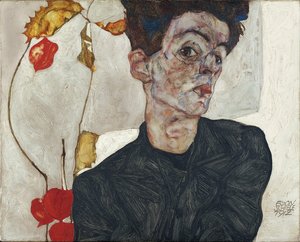
1890 - 1918 , 오스트리아 크로아티아
Explore the profound depth of Figurative Expressionism. From Edvard Munch to William H. Johnson, learn how masters use the human form to capture raw emotion through color and distortion in this expert art history guide.

Explore the profound history of Surrealist Expressionism. Discover how artists blended dream logic with raw emotion to navigate post-war trauma through masterful, evocative imagery and psychological depth.

Explore the profound emotional depth of Expressionist portraiture. From Edvard Munch to Francis Bacon, discover how masters used distortion and color to reveal inner truths. Learn about this pivotal movement and find museum-quality oil reproductions for your collection.

Explore the profound history of Expressionism. From Edvard Munch to Jackson Pollock, discover how artists used distortion and color to convey raw emotion. A definitive guide for art lovers seeking deep historical context and mastery in fine art reproductions.


최신 미술 뉴스, 특별 혜택 및 인테리어 아이디어를 가장 먼저 만나보세요.
프로젝트에 대해 알려주시면 저희 미술 전문가들이 맞춤형 아트 제안 3가지를 전달해 드립니다.
당신만을 위한 맞춤형 옵션 3가지를 무료로 추천해 드립니다!


 미리보기
미리보기
 프린트 구매
 공유하기
공유하기 공유하기
공유하기
 상세 정보
상세 정보

 다운로드
다운로드
 유사 작품
유사 작품 X-레이
X-레이 슬라이드 쇼
 더 보기
더 보기









 유리 옵션은 110cm 미만 크기에서만 선택 가능합니다.