x





























작품의 원본 비율을 유지하는 미리 설정된 크기 중에서 선택하세요.

특정 프레임이나 공간에 맞도록 직접 크기를 입력할 수 있습니다. 선택하신 크기가 원본 이미지의 비율과 일치하지 않는 경우, 작품을 자르거나 추가적인 손으로 그린 요소를 사용하여 그림을 확장합니다. 제작 시작 전 승인을 위해 디지털 목업을 보내드립니다.
화면 미리 보기는 실제 자르기 또는 확장을 반영하지 않습니다. 최종 구성은 목업을 통해서만 정확하게 확인하실 수 있습니다.
맞춤 크기 제작도 가능하지만, 원본 비율을 유지하기 위해 사전 정의된 목록에서 크기를 선택하시는 것을 권장합니다.

Seated Girl Facing Front
복제본 크기
Egon Schiele's 1911 watercolor on paper, *Seated Girl Facing Front*, isn’t merely a depiction of a young woman; it’s an intimate glimpse into the soul. Created during a period of intense personal struggle and artistic experimentation for the Austrian Expressionist, this work embodies his signature style – a raw honesty that confronts viewers with vulnerability and a profound sense of introspection. The painting immediately draws us in with its subject's direct gaze, a challenge to our own perceptions and emotions. It’s a moment frozen in time, suggesting a private contemplation held within the confines of a simple pose.
Schiele's approach to watercolor was revolutionary for his time. He didn’t shy away from layering paint, building up textures with multiple washes that create an almost sculptural quality. Notice the delicate shading around the girl’s face – a subtle manipulation of color that emphasizes her features and contributes to the overall mood. The elongated limbs, characteristic of Schiele's style, aren’t simply stylistic flourishes; they speak to a sense of unease, perhaps reflecting his own anxieties about mortality and the human condition. The use of muted tones—primarily browns, grays, and hints of red in her dress—further enhances the painting’s melancholic atmosphere, creating a visual resonance that lingers long after you've looked away.
To understand *Seated Girl Facing Front*, it’s crucial to consider the context in which Schiele was working. His early life was marked by profound loss – the death of his father at fourteen, followed later by his sister Elvira. These experiences undoubtedly shaped his artistic vision, fueling a preoccupation with themes of mortality, fragility, and the search for meaning. The influence of Gustav Klimt, a mentor who encouraged Schiele’s experimentation, is also evident in the painting's sensual undertones, though Schiele pushes beyond Klimt’s decorative style to explore deeper psychological complexities. The subtle suggestion of sadness in the girl’s posture and averted gaze hints at a hidden story, inviting speculation about her inner world.
The girl's crossed legs and forward-facing position are not accidental. They represent a deliberate choice to engage with the viewer directly, creating an immediate connection. Her posture suggests both vulnerability and defiance – she is exposed yet resolute. The red dress, a striking element against the muted background, could symbolize passion, vitality, or perhaps even a hint of danger. Schiele’s masterful use of watercolor allows for a remarkable subtlety in conveying emotion; it's not about grand gestures but rather the quiet intensity of a single moment. *Seated Girl Facing Front* is a powerful testament to Schiele’s ability to capture the complexities of human experience, offering viewers an intimate and deeply moving encounter with art.
Explore a meticulously crafted reproduction of this iconic work at /en/art/show/art-6whkl3-en/ and discover the beauty of owning a piece of art history.

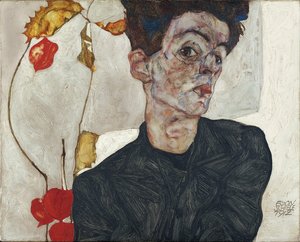
1890 - 1918 , 오스트리아 크로아티아

Explore the profound history and technical mastery of watercolor painting. From medieval manuscripts to the luminous works of John Singer Sargent, discover how artists capture light and transparency through this delicate, enduring medium.


최신 미술 뉴스, 특별 혜택 및 인테리어 아이디어를 가장 먼저 만나보세요.
프로젝트에 대해 알려주시면 저희 미술 전문가들이 맞춤형 아트 제안 3가지를 전달해 드립니다.
당신만을 위한 맞춤형 옵션 3가지를 무료로 추천해 드립니다!


 미리보기
미리보기
 프린트 구매
 공유하기
공유하기 공유하기
공유하기
 상세 정보
상세 정보

 다운로드
다운로드
 유사 작품
유사 작품 X-레이
X-레이 슬라이드 쇼

 더 보기
더 보기









 유리 옵션은 110cm 미만 크기에서만 선택 가능합니다.