A Life Shaped by Division: The Early Years and Artistic Formation of Gerhard Richter
Gerhard Richter’s artistic journey began amidst the turbulent backdrop of postwar Germany, a nation scarred by war and grappling with the ideological divisions of the Cold War. Born in Dresden in 1932, his formative years were profoundly impacted by the rise of Nazism and the subsequent devastation inflicted upon his hometown during World War II. This early exposure to conflict instilled within him an inherent skepticism—a questioning gaze that would become a cornerstone of his artistic worldview throughout his prolific career. His father, Wilhelm Richter, was a schoolteacher who navigated the challenges of life under Nazi rule with quiet resilience, while his mother, Gisela Richter, nurtured his intellectual curiosity through literature and music. This duality – accepting circumstance with pragmatism alongside yearning for cultural expression—served as an indelible blueprint for Richter’s own creative sensibility.
Initially trained in socialist realism at Dresden Academy of Fine Arts, Richter faced the constraints imposed by East German ideology. However, even within this framework, a fervent desire for artistic freedom persisted, fueled by dissatisfaction with dogma and longing for expansive creative horizons. Recognizing the limitations of prescribed stylistic conventions, he embarked on a transformative path toward Düsseldorf in 1961—a decisive relocation that ushered in an era of radical experimentation. Düsseldorf’s vibrant art community welcomed him with open arms, providing an environment where questioning established norms and embracing chance were not merely tolerated but actively encouraged. This pivotal moment catalyzed Richter's artistic evolution, propelling him away from socialist realism toward a multifaceted stylistic exploration.
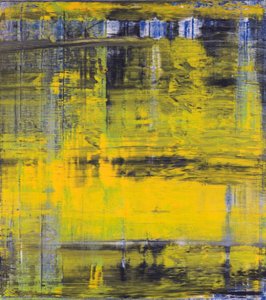
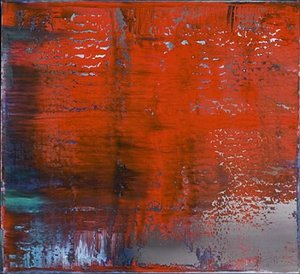
His early mature work showcased a captivating interplay between photorealism and abstraction—techniques he honed relentlessly throughout his career. Photorealistic paintings meticulously reproduced photographic images with astonishing precision, prompting viewers to confront the elusive nature of visual perception. Simultaneously, Richter embraced abstract compositions characterized by bold colors and dynamic brushstrokes, utilizing squeegees – tools typically employed for window cleaning – to manipulate paint in unpredictable ways. This embrace of spontaneity reflected his core artistic philosophy—a deliberate relinquishment of control that invited unforeseen outcomes. His collaborative endeavors with Sigmar Polke further solidified this ethos, resulting in the iconic ‘Capitalist Realism’ term—a provocative label encapsulating their shared critique of commercial art and appropriation of imagery from mass media.
Throughout his lifetime, Richter consistently defied easy categorization, resisting attempts to confine his artistic vision within a singular stylistic paradigm. His influence extended across generations of artists who admired his technical virtuosity and unwavering commitment to intellectual rigor. He became recognized as one of the most significant figures in contemporary art—a visionary whose groundbreaking techniques and profound engagement with historical themes continue to inspire audiences worldwide. Richter’s legacy transcends mere aesthetic achievement; it embodies a fundamental reimagining of painting itself—a testament to his enduring power as an artist and thinker.