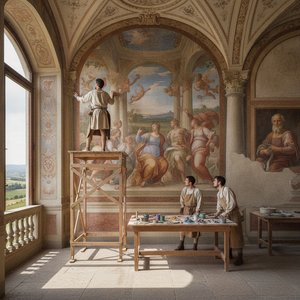
A Sanctuary of Sienese Splendor
Nestled within the ancient, sun-drenched walls of Siena, San Niccolò al Carmine offers far more than a mere religious service; it serves as a profound portal into the soul of Tuscany. To step across its threshold is to leave the bustling modern streets behind and enter a realm where time flows with the grace of a Renaissance fresco. Originally established in the 14th century as a Carmelite monastery, this sacred edifice has evolved through centuries of devotion, weaving together the architectural elegance of the Gothic period with the burgeoning humanism of the Early Renaissance. The atmosphere is one of profound tranquility, a secluded refuge that invites both the weary traveler and the discerning art enthusiast to pause and contemplate the enduring legacy of Sienese creativity.
The true heartbeat of San Niccolò al Carmine lies in its breathtaking collection of masterpieces, which transform the nave into a dramatic stage for divine narrative. The most arresting sight is undoubtedly Domenico Beccafumi’s monumental Fall of the Rebel Angels. This work is a masterclass in Mannerist dynamism, where Beccafumi employs a sophisticated command of perspective and an almost otherworldly color palette to capture the chaotic descent of celestial beings. The swirling compositions and light-filled shadows create a sense of movement that feels almost palpable, pulling the viewer into the very center of the biblical struggle. Alongside this, the legacy of Bernardino Fungai breathes life into the church’s walls; his paintings act as a vital bridge between the rigid traditions of late Gothic art and the fluid, emotive aesthetics of the Renaissance, offering subtle nuances of light and form that reflect the shifting intellectual tides of the era.
Beyond its singular canvases, the church holds a deep-seated connection to the living pulse of Siena. As the Oratory for the Contrada della Pantera, San Niccolò al Carmine is not merely a silent repository of the past but an active participant in the city's most passionate traditions. The palpable sense of community spirit, fueled by the historic guilds that compete in the legendary Palio horse races, imbues the space with a unique energy that distinguishes it from more sterile museum environments. This intersection of sacred art and secular tradition creates a layered experience where one can feel the weight of history and the fervor of contemporary local identity simultaneously.
For collectors and interior designers seeking inspiration, the church provides an unparalleled study in texture, light, and historical prestige. The architectural surroundings—including the nearby Neoclassical Palazzo Incontri—frame a landscape of profound aesthetic value. Whether one is drawn to the spiritual intensity of the 14th-century iconography or the dramatic chiaroscuro of Beccafumi’s brushwork, San Niccolò al Carmine stands as an essential destination. It remains a place where the echoes of medieval piety and the brilliance of Renaissance innovation converge, offering a timeless beauty that continues to inspire the modern eye.