


x

 Akryl na płótnieSztuka ściennaHigh Renaissance
 1550
1550 14.0 x 11.0 cm
 Kunsthistorisches Museum
Ręcznie malowany obraz olejny na płótnie, wykonany na zamówienie przez naszych artystów w wybranym przez Ciebie wymiarze i oprawie. ( Przełącz na wydruk Przełącz na obraz)





























Wybierz spośród naszych standardowych rozmiarów, które zachowują oryginalne proporcje dzieła sztuki.

Możesz wprowadzić własne wymiary, aby dopasować obraz do konkretnej ramy lub przestrzeni. Jeśli wybrany rozmiar nie będzie odpowiadał proporcjom oryginału, przytniecie dzieło sztuki lub rozszerzymy je o dodatkowe elementy, ręcznie domalowane przez artystę. Przed rozpoczęciem produkcji wyślemy projekt cyfrowy do Twojej akceptacji.
Należy pamiętać, że podgląd na ekranie nie odzwierciedla rzeczywistego przycinania ani rozszerzania obrazu. Tylko projekt dokładnie pokaże ostateczną kompozycję.
Choć oferujemy możliwość zamówienia niestandardowych rozmiarów, zalecamy wybór wymiaru z gotowej listy, aby zachować oryginalne proporcje dzieła.
Dostawa na całym świecie () w ciągu 3–4 tygodni zamiast standardowych 5 tygodni. (6 Sierpień). Bez kompromisów w kwestii jakości.


Emperor Ferdinand I
Rozmiar reprodukcji
Hans the Elder Bocksberger’s “Emperor Ferdinand I,” painted circa 1550-55, stands as a testament to Salzburg’s flourishing artistic spirit during the High Renaissance and burgeoning Mannerism. While overshadowed by his younger brother, Hans Holbein the Younger—a globally celebrated artist—Bocksberger nonetheless secured his place in art history through commissions that graced noble palaces and churches across Bavaria and Austria, demonstrating an unwavering dedication to humanist ideals and masterful artistic execution.
Born in Salzburg around 1510, Bocksberger inherited a profound artistic heritage from Ulrich Bocksberger, his father—a painter himself—who instilled within him a deep understanding of the stylistic conventions shaping Europe at the time. The Protestant Reformation dramatically reshaped Salzburg’s cultural landscape, fostering an environment where innovative artistic endeavors could thrive alongside established religious iconography.
The painting itself is executed in oil on paper mounted on wood – a technique favored during this period for its ability to capture subtle nuances of light and color. Its composition centers around a portrait of Emperor Ferdinand I from the chest up against a dark background, strategically contrasting with his pale skin tone and highlighting him as the focal point of the artwork. Attention to detail is paramount; Bocksberger meticulously rendered every feature—the furrowed brow, the gaze directed outwards—reflecting the humanist preoccupation with psychological realism.
Beyond mere representation, “Emperor Ferdinand I” embodies the symbolic language of its era. The emperor’s attire – a dark shirt overlaid with a fur-lined robe – proclaims his wealth and authority, mirroring the opulent patronage prevalent in Salzburg’s aristocratic circles. Notably, he wears a black hat adorned with a feather—a gesture indicative of status and rank—further emphasizing Ferdinand I's position within the Habsburg dynasty.
The presence of medals pinned to his chest speaks volumes about Ferdinand I’s military achievements and royal honors – emblems that served as visual shorthand for conveying prestige and legitimacy. Signed “Hans The Elder Bocksberger” at the bottom right corner, the attribution confirms Bocksberger's reputation as a respected artist during Salzburg’s Renaissance.
Currently housed in the Kunsthistorisches Museum in Vienna, this artwork exemplifies the artistic fervor of Salzburg—a city that nurtured talent and championed humanist values. Its enduring appeal lies not only in its technical brilliance but also in its ability to transport viewers back to a pivotal moment in European history, capturing the grandeur and solemnity of Habsburg rule.
Consider commissioning a high-quality giclee reproduction to bring this iconic Salzburg Renaissance masterpiece into your home or office. Most-Famous-Paintings offers exceptional prints at competitive prices.


1510 - 1569 , Austria

Odkryj fascynującą historię i technikę malarstwa olejnego! Poznaj sekrety mistrzów, wpływ światłocienia (chiaroscuro) oraz emocjonalny rezonans klasycznych dzieł. Poradniki konserwacji i trwałości obrazów.

Explore the life & art of Hans Holbein the Younger, a Renaissance master renowned for his strikingly realistic portraits and psychological insight. Discover iconic works like 'The Ambassadors' and delve into his lasting legacy.
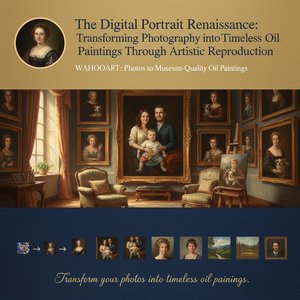
Przekształć swoje wspomnienia w ponadczasowe dzieło sztuki! Ręcznie malowane portrety olejny na zamówienie, najwyższa jakość wykonania i indywidualne podejście. Eksperci pomogą wybrać idealny styl i rozmiar. Inwestycja w trwałe piękno.

Poznaj 10 arcydzieł malarstwa olejowego, które zrewolucjonizowały świat sztuki! Van Gogh, Monet, Picasso i inni – odkryj historie, techniki i emocje w słynnych obrazach. Reprodukcje najwyższej jakości na Most-Famous-Paintings.com. Eksploruj kolekcję online!

Poznaj 10 legendarnych arcydzieł malarstwa olejnego, które na zawsze zmieniły historię sztuki! Odkryj historie van Gogha, Moneta i Rembrandta. Reprodukcje obrazów najwyższej jakości – Most-Famous-Paintings.com. Eksploruj kolekcję online!


Bądź na bieżąco z najnowszymi wiadomościami ze świata sztuki, ekskluzywnymi ofertami i inspiracjami dekoratorskimi.
Opowiedz nam o swoim projekcie, a nasi eksperci przygotują dla Ciebie 3 spersonalizowane propozycje dzieł sztuki.
Pozwól nam przygotować 3 propozycje specjalnie dla Ciebie – za darmo!


 Podgląd w skali
 Wyślij
 Udostępnij
 Szczegóły

 Pobierz plik obrazu
 Podobne obiekty
 RTG
RTG Pokaz slajdów
 Czytaj więcej







 Opcja ze szkłem jest dostępna wyłącznie w rozmiarach poniżej 110 cm


