Sprzedawaj swoją sztukę
Lista życzeń Koszyk zakupowy Cart
Podgląd w skaliPodgląd w skali Podgląd ARPodgląd AR Zamów wydruk Zamów wydrukKup obraz wysokiej rozdzielczości Kup obraz wysokiej rozdzielczości Wyślij jako kartkęWyślij jako kartkę
Szczegóły dziełaSzczegóły dzieła Dodaj do ulubionych Dodaj do ulubionych PobierzPobierz Podobne obiektyPodobne obiekty RTGRTG Pokaz slajdówPokaz slajdów

Louise Laure Baudot at Nine Years

Admire Jean Baptiste Camille Corot’s spokojny portret Louise Laure Baudot w Dziewięć Lat (1844), uchwycujący niewinność dziecięcą i rodzinne uczucia w stylu romantycznym.

Jean-Baptiste Corot – francuski malarz pejzażystowski, pionier impresjonizmu. Jego spokojne obrazy światła i natury inspirują od 1875 roku.

Ręcznie malowana reprodukcja olejowa

Ręcznie malowany obraz olejny na płótnie, wykonany na zamówienie przez naszych artystów w wybranym przez Ciebie wymiarze i oprawie. (Zamów wydruk Zamów wydrukKup obraz wysokiej rozdzielczości Kup obraz wysokiej rozdzielczości)

P118B $10
P118H $10
P118W $10
P438Z $10
P508JH $12
P508YH $12
P805H $10
P805Z $10
P919BZ $10
P919G $10
P919XJ $10
P959ZH $10
P968JZ $12
W106C $8
W218G $10
W218JH $8
W218Y $10
W307PJ $10
W316G $10
W316PJ $8
W316Y $10
W398PJ $8
W4111J $10
W500HY $15
W500JH $15
W692G $12
W849H $8
W940BG $15
W953PJ $8

Standard
custom
CM
INCH

Wybierz spośród naszych standardowych rozmiarów, które zachowują oryginalne proporcje dzieła sztuki.

szerokość
wysokość

Możesz wprowadzić własne wymiary, aby dopasować obraz do konkretnej ramy lub przestrzeni. Jeśli wybrany rozmiar nie będzie odpowiadał proporcjom oryginału, przytniecie dzieło sztuki lub rozszerzymy je o dodatkowe elementy, ręcznie domalowane przez artystę. Przed rozpoczęciem produkcji wyślemy projekt cyfrowy do Twojej akceptacji.
Należy pamiętać, że podgląd na ekranie nie odzwierciedla rzeczywistego przycinania ani rozszerzania obrazu. Tylko projekt dokładnie pokaże ostateczną kompozycję.
Choć oferujemy możliwość zamówienia niestandardowych rozmiarów, zalecamy wybór wymiaru z gotowej listy, aby zachować oryginalne proporcje dzieła.

Przykłady możliwych zmian: Zamień twarz na zdjęcie klienta; Dodaj zwierzę domowe (np. zamień kota na psa); Ukryj wiadomość w tle; Zmień krajobraz lub elementy tła.
Po złożeniu zamówienia zespół Most-Famous-Paintings.com skontaktuje się z klientem drogą mailową w celu uzyskania instrukcji i prześle wizualizację projektu

Dostawa na całym świecie () w ciągu 3–4 tygodni zamiast standardowych 5 tygodni. (15 Sierpień). Bez kompromisów w kwestii jakości.

why_choose_icon
Bezpłatna ekspresowa wysyłka na cały świat
why_choose_icon
Wysokiej jakości płótno lniane
why_choose_icon
Pełne ubezpieczenie przesyłki
why_choose_icon
Gwarancja zwrotu należności celnych i podatków importowych
why_choose_icon
Gwarancja wiernego odwzorowania kolorów
why_choose_icon
Polityka 60-dniowego zwrotu (tylko w przypadku wad)
why_choose_icon
Gwarancja 100% zwrotu kosztów
why_choose_icon
Zniżka przy zamówieniu wielu produktów

Suma całkowita

$ 272

reproduction

Louise Laure Baudot at Nine Years

Technika reprodukcji

Wymiary reprodukcji

-

Cena całkowita

$ 272

Szybki podgląd

  • Year: 1844
  • Artistic style: Romantic
  • Medium: Oil on Canvas
  • Movement: Romanticism
  • Title: Louise Laure Baudot at Nine Years
  • Location: Mauritshuis
  • Subject or theme: Portrait of a Child

Quiz o sztuce

Do każdego pytania dotyczy tylko jedna poprawna odpowiedź.

Pytanie 1:
What artistic movement is Jean Baptiste Camille Corot’s ‘Louise Laure Baudot at Nine Years’ primarily associated with?
Pytanie 2:
The painting utilizes soft colors and delicate brushstrokes. What is the primary characteristic of Corot's artistic style?
Pytanie 3:
What is notable about the background in ‘Louise Laure Baudot at Nine Years’? It’s described as softly blurred.
Pytanie 4:
The portrait features a young girl, Louise Laure Baudot. What is significant about Corot’s relationship with Louise Laure Baudot?
Pytanie 5:
What technique did Corot employ to achieve the painting’s gentle mood?

Opis dzieła

A Portrait Steeped in Tranquility: Louise Laure Baudot at Nine Years by Jean Baptiste Camille Corot

Jean-Baptiste Camille Corot’s “Louise Laure Baudot at Nine Years,” painted in 1844, transcends mere representation; it embodies the very essence of Romanticism – a profound reverence for nature intertwined with an intimate exploration of human emotion. This oil on canvas portrait isn't simply a depiction of a young girl; it’s a window into Corot’s artistic soul and his enduring fascination with capturing fleeting moments of beauty. The painting resides within the Mauritshuis museum collection, alongside other masterpieces of Dutch Golden Age art, offering visitors a comparative glimpse into two distinct artistic traditions united by a shared commitment to realism and sensitivity.

The Artist's Vision: Corot’s Romantic Landscape Heart

Corot’s stylistic approach—characterized by soft pastel hues and delicately blended brushstrokes—was profoundly influenced by his lifelong immersion in the landscapes of France. Unlike Impressionists who sought to capture immediate sensory experience, Corot prioritized conveying atmosphere and mood through subtle tonal gradations. This technique is brilliantly evident in “Louise Laure Baudot at Nine Years,” where the muted browns and creams dominate the palette, creating a serene backdrop that emphasizes the girl’s face and upper torso. The artist deliberately avoids harsh contrasts, fostering an impression of warmth and tenderness—a hallmark of Corot's oeuvre. His artistic philosophy championed observation and contemplation, mirroring the spirit of his time. He believed in capturing not just what was seen but also how it *felt*, imbuing his canvases with a palpable sense of tranquility.

Composition and Technique: A Balanced Reflection

The composition is meticulously crafted to draw the viewer’s eye inward, focusing on Louise Laure Baudot’s expressive gaze. Positioned slightly off-center, she commands attention without dominating the frame—a compositional decision that speaks volumes about Corot's desire for balance and harmony. The blurred background serves as a counterpoint to the girl’s solidity, subtly suggesting depth while maintaining an overall sense of intimacy. Corot skillfully employs oil paint on canvas, layering thin glazes to achieve luminous color variations and subtle textural nuances—a technique that lends remarkable realism to his portraits. Careful attention to detail is evident in the rendering of her clothing and hair, demonstrating Corot’s unwavering dedication to accuracy. The artist's masterful brushwork contributes significantly to the painting's ethereal quality.

Symbolism Beyond Appearance: The Significance of Connection

More than just a portrait, “Louise Laure Baudot at Nine Years” encapsulates the profound bond between artist and subject—a relationship that extended beyond mere professional collaboration. Corot had become a constant presence in Louise Laure Baudot’s life after her mother's untimely passing, fostering an enduring connection rooted in shared experience. The girl’s solemn expression conveys dignity and perhaps melancholy – emotions that resonate deeply with the viewer. This contemplative pose reflects Corot’s Romantic sensibility, inviting reflection on themes of childhood innocence and familial devotion. It speaks to a universal desire for connection and remembrance.

A Legacy of Gentle Beauty: Exploring High-Quality Reproductions

If you wish to immerse yourself in the timeless elegance of Corot's artistic vision, consider acquiring a meticulously crafted reproduction of “Louise Laure Baudot at Nine Years.” Available exclusively at Most-Famous-Paintings.com, these reproductions faithfully recreate the painting’s original luminosity and textural richness—allowing art enthusiasts worldwide to appreciate this iconic masterpiece. Explore further into Jean Baptiste Camille Corot’s artistic journey at /art/list/?Filter=jean+baptiste+camille+corot/.

O artyście

A Life Immersed in Light and Landscape

Jean-Baptiste-Camille Corot, a name that resonates with the tranquil beauty of 19th-century French landscape painting, was born into a comfortable Parisian bourgeois family on July 16, 1796. Though initially steered towards a commercial path, destiny – and perhaps an innate artistic sensibility – intervened. His early years were marked by an unconventional upbringing; entrusted to the care of a nurse in the countryside near L’Isle-Adam until age four, he developed a profound connection with nature that would indelibly shape his artistic vision. This initial immersion in rural tranquility stood in stark contrast to the bustling city life awaiting him, yet it laid the foundation for a lifelong pursuit of capturing the ephemeral qualities of light and atmosphere. His parents, successful milliners, provided financial stability, allowing Corot the freedom to explore his burgeoning passion for painting after an unsuccessful attempt at mercantile pursuits – a rare privilege for aspiring artists of that era. This support was crucial, enabling him to dedicate himself fully to artistic training without the immediate pressures of earning a livelihood.

From Academic Foundations to Plein-Air Innovation

Corot’s formal artistic education began with studies under Achille Etna Michallon and later Jean-Victor Bertin, both esteemed landscape painters steeped in the neoclassical tradition. This grounding instilled in him a meticulous approach to composition and form, emphasizing clarity and structure. However, Corot wasn't content merely replicating established styles; he yearned for something more authentic, a way to convey not just *what* he saw, but *how* it felt to be immersed within the landscape. A pivotal moment arrived with his first journey to Italy in 1825. The Roman Campagna, bathed in golden light and steeped in history, ignited his imagination. He spent years sketching and painting en plein air – directly from nature – a practice that was still relatively uncommon at the time. This dedication to direct observation allowed him to capture the subtle nuances of light and shadow, the delicate atmospheric effects that would become hallmarks of his style. He wasn’t simply recording topographical details; he was striving to evoke a mood, a feeling of tranquility and harmony. His early Italian works demonstrate a clarity of form and bright palette influenced by classical ideals, yet already hint at the softer, more evocative approach that would define his mature style. He meticulously studied the masters, copying their work in the Roman galleries, but always filtered these lessons through his own increasingly sensitive perception of nature.

A Bridge Between Traditions

Corot’s artistic development wasn't linear; it was a delicate balancing act between tradition and innovation. He exhibited regularly at the Paris Salon, initially gaining recognition for works rooted in neoclassical conventions. However, as he continued to explore plein-air painting, his style began to evolve. He moved away from highly finished, detailed compositions towards looser brushwork and a more muted palette. This shift wasn't a rejection of academic principles entirely; rather, it was an attempt to infuse them with the immediacy and emotional resonance of direct observation. He became a master of tonalism, using subtle variations in value to create depth and atmosphere. His landscapes weren’t about dramatic narratives or grand gestures; they were about quiet contemplation, the beauty of everyday scenes – a forest glade, a sun-dappled meadow, a tranquil riverbank. This approach resonated with a growing audience seeking respite from the rapid industrialization and social upheaval of 19th-century France. He skillfully blended elements of realism with an almost poetic sensibility, creating landscapes that felt both familiar and deeply personal. He wasn’t interested in grand pronouncements or political statements; his art was about finding beauty in the ordinary, elevating the commonplace to a realm of serene contemplation.

Legacy and Enduring Influence

Jean-Baptiste-Camille Corot’s influence on subsequent generations of artists is immeasurable. He served as a crucial link between the neoclassical tradition and the emerging Impressionist movement. Artists like Monet, Pissarro, and Sisley deeply admired his ability to capture the fleeting effects of light and atmosphere, and they built upon his innovations in their own groundbreaking work. Corot’s emphasis on direct observation and plein-air painting paved the way for the Impressionists' radical departure from studio-based practices. However, Corot wasn’t simply a precursor to Impressionism; he was a unique and significant artist in his own right. His vast output – encompassing landscapes, portraits, and figure studies – continues to captivate audiences with its serene beauty and emotional depth. His works can be found in major museums around the world, including the Musée des Beaux-Arts in Dunkirk and the Musée Courbet in Ornans, France, as well as the National Gallery in London and the Metropolitan Museum of Art in New York. He died on February 22, 1875, leaving behind a legacy that continues to inspire artists and art lovers alike – a testament to the enduring power of light, landscape, and quiet contemplation. The Repose, Interrupted Reading, and Agostina remain iconic examples of his mastery, showcasing his ability to capture both the physical world and the inner life of his subjects with remarkable sensitivity and grace. His influence extends beyond painting; he fostered a spirit of artistic freedom and encouraged younger artists to find their own voice, solidifying his place as a pivotal figure in the history of art.
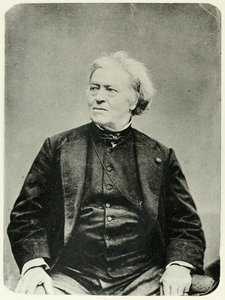
Jean-Baptiste-Camille Corot

Jean-Baptiste-Camille Corot

1796 - 1875 , Francja

Krótka nota

  • Artistic Movement Or Style: Realizm, Impresjonizm
  • Artists Or Movements Influenced By This Artist:
    • Monet
    • Pissarro
  • Artists Who Influenced This Artist:
    • Michallon
    • Bertin
  • Date Of Birth: 16 lipca 1796
  • Date Of Death: 22 lutego 1875
  • Full Name: Jean-Baptiste-Camille Corot
  • Nationality: Francuz
  • Notable Artworks:
    • Wspomnienie z Mortefontaine
    • Most Augusta w Narni
  • Place Of Birth: Paryż, Francja
Odkryj dzieła sztuki uporządkowane według tematów, stylów i cech charakterystycznych.