x

Ręcznie malowany obraz olejny na płótnie, wykonany na zamówienie przez naszych artystów w wybranym przez Ciebie wymiarze i oprawie. ( Zamów wydruk Przełącz na obraz)
Wybierz spośród naszych standardowych rozmiarów, które zachowują oryginalne proporcje dzieła sztuki.

Możesz wprowadzić własne wymiary, aby dopasować obraz do konkretnej ramy lub przestrzeni. Jeśli wybrany rozmiar nie będzie odpowiadał proporcjom oryginału, przytniecie dzieło sztuki lub rozszerzymy je o dodatkowe elementy, ręcznie domalowane przez artystę. Przed rozpoczęciem produkcji wyślemy projekt cyfrowy do Twojej akceptacji.
Należy pamiętać, że podgląd na ekranie nie odzwierciedla rzeczywistego przycinania ani rozszerzania obrazu. Tylko projekt dokładnie pokaże ostateczną kompozycję.
Choć oferujemy możliwość zamówienia niestandardowych rozmiarów, zalecamy wybór wymiaru z gotowej listy, aby zachować oryginalne proporcje dzieła.
Dostawa na całym świecie () w ciągu 3–4 tygodni zamiast standardowych 5 tygodni. (9 Sierpień). Bez kompromisów w kwestii jakości.


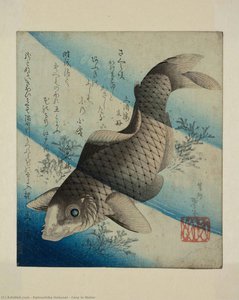
Puppeteer With Puppet Of A Female Feathered-lance Bearer
Wymiary reprodukcji
Katsushika Hokusai, the name synonymous with Japan’s artistic flowering during the Edo period, gifted the world a vast and varied body of work. While celebrated for his iconic depictions of Mount Fuji and crashing waves, his genius extended far beyond landscapes. "Puppeteer With Puppet Of A Female Feathered-lance Bearer" offers a captivating window into the vibrant theatrical traditions of 19th-century Japan, revealing Hokusai’s keen eye for detail and his ability to capture fleeting moments of human performance and artistry. This woodblock print isn't merely an image; it is a narrative frozen in time, inviting us to step onto the stage of Edo entertainment.
This artwork exemplifies *ukiyo-e*, a genre that translates roughly to "pictures of the floating world." Emerging during the Edo period (1603–1868), ukiyo-e initially focused on portraying courtesans, actors, and scenes from daily life—subjects reflecting the pleasures and fleeting nature of urban existence. Hokusai, however, transcended these initial boundaries, elevating *ukiyo-e* to new artistic heights. His mastery lay in his meticulous attention to line, form, and color, achieved through a complex process involving carving wooden blocks and applying layered inks. The vibrant red and black patterns adorning the puppeteer’s attire are testament to this skill, demonstrating a sophisticated understanding of color theory and design. The print's creation involved multiple artisans: the artist designed the image, a carver meticulously transferred it onto a wood block, a printer applied the ink, and finally, a publisher oversaw distribution. Hokusai often controlled all aspects of this process, ensuring his artistic vision was fully realized.
The scene depicted is rich with symbolic meaning. We see a puppeteer, poised on a wooden platform, holding a broom—a tool that could signify both cleaning and the sweeping gestures inherent in performance. His focused expression suggests deep engagement with his craft. Beside him sits his puppet, an elaborate figure adorned with feathers and wielding a lance. The mirroring of attire between the puppeteer and the puppet hints at a deeper connection, perhaps representing a shared narrative or a symbolic relationship between creator and creation. The background is filled with text—likely lyrics or dialogue from the puppet show itself—adding another layer of depth to the scene. These words aren't merely decorative; they are integral to understanding the story being told, transporting us into the world of Edo theater. The female feathered-lance bearer likely represents a warrior figure, common in traditional Japanese folklore and performance art, adding an element of drama and heroism to the composition.
Katsushika Hokusai (1760–1849) lived a remarkably long and prolific life, constantly reinventing his artistic style. His relentless pursuit of perfection led him through numerous name changes and stylistic shifts, reflecting his evolving understanding of art and the world around him. His influence extended far beyond Japan; European artists like Vincent van Gogh and Claude Monet were deeply inspired by Hokusai’s innovative compositions and bold use of color, contributing to the Japonisme movement that swept across Europe in the late 19th century. "Puppeteer With Puppet Of A Female Feathered-lance Bearer" stands as a testament to Hokusai's genius—a captivating blend of technical skill, narrative storytelling, and cultural insight that continues to resonate with audiences today. Owning a reproduction of this piece is not just acquiring artwork; it’s embracing a fragment of Japanese history and the enduring legacy of one of its greatest artists.


1760 - 1849 , Japonia

Explore the captivating world of Tōshūsai Sharaku, the enigmatic Edo period ukiyo-e master. Discover his iconic Kabuki actor portraits and unravel the mystery behind this fleeting artistic genius. Learn about his unique style & lasting legacy.

Explore the life & art of Tsukioka Yoshitoshi, the last great master of ukiyo-e woodblock printing. Discover his dramatic warrior prints, innovative series like 'One Hundred Aspects of the Moon,' and legacy reflecting Japan's Meiji transition.
Journey into Japan's 'Floating World'! Explore 10 Ukiyo-e masterpieces by Hokusai, Hiroshige & more. Discover the stories behind these iconic woodblock prints and bring timeless Japanese art to your home with Most-Famous-Paintings.com. Explore the full collection online.

Poznaj fascynujący świat ukiyo-e – japońskich drzeworytów z okresu Edo. Historia, techniki, artyści i wpływ na sztukę zachodnią. Ekspercka analiza dla miłośników sztuki i kolekcjonerów.

Explore the captivating world of Utagawa Kuniyoshi, a master of Japanese ukiyo-e woodblock prints. Discover his innovative warrior scenes, vibrant landscapes & lasting legacy in 19th-century art history.


Bądź na bieżąco z najnowszymi wiadomościami ze świata sztuki, ekskluzywnymi ofertami i inspiracjami dekoratorskimi.
Opowiedz nam o swoim projekcie, a nasi eksperci przygotują dla Ciebie 3 spersonalizowane propozycje dzieł sztuki.
Przygotujemy dla Ciebie 3 propozycje zupełnie za darmo!


 Wyślij jako kartkę
 Udostępnij
 Szczegóły dzieła

 Pobierz
 Podobne obiekty
 Pokaz slajdów
 Rozwiń treść




































 Opcja ze szkłem jest dostępna wyłącznie w rozmiarach poniżej 110 cm