Sprzedawaj swoją sztukę
Lista życzeń Koszyk zakupowy Cart
Podgląd w skaliPodgląd w skali Podgląd ARPodgląd AR Zamów wydruk Zamów wydrukKup obraz wysokiej rozdzielczości Kup obraz wysokiej rozdzielczości Wyślij jako kartkęWyślij jako kartkę
Szczegóły dziełaSzczegóły dzieła Dodaj do ulubionych Dodaj do ulubionych PobierzPobierz Podobne obiektyPodobne obiekty RTGRTG Pokaz slajdówPokaz slajdów

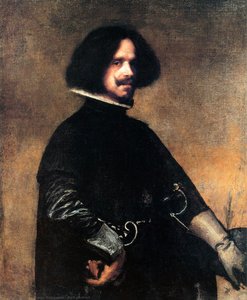
Portret mężczyzny

Znakomity obraz Zacarías González Velázquez - Portret mężczyzny z okresu baroku, wykonany techniką olejną na płótnie. Studium „Rozdania Bredy”, doskonałe odwzorowanie światła i cienia.

Explore the portraits & religious works of Zacarías González Velázquez, a Spanish painter from Madrid’s artistic family. Discover his royal commissions & academic career.

Ręcznie malowana reprodukcja olejowa

Ręcznie malowany obraz olejny na płótnie, wykonany na zamówienie przez naszych artystów w wybranym przez Ciebie wymiarze i oprawie. (Zamów wydruk Zamów wydrukKup obraz wysokiej rozdzielczości Kup obraz wysokiej rozdzielczości)

P118B $10
P118H $10
P118W $10
P438Z $10
P508JH $12
P508YH $12
P805H $10
P805Z $10
P919BZ $10
P919G $10
P919XJ $10
P959ZH $10
P968JZ $12
W106C $8
W218G $10
W218JH $8
W218Y $10
W307PJ $10
W316G $10
W316PJ $8
W316Y $10
W398PJ $8
W4111J $10
W500HY $15
W500JH $15
W692G $12
W849H $8
W940BG $15
W953PJ $8

Standard
custom
CM
INCH

Wybierz spośród naszych standardowych rozmiarów, które zachowują oryginalne proporcje dzieła sztuki.

szerokość
wysokość

Możesz wprowadzić własne wymiary, aby dopasować obraz do konkretnej ramy lub przestrzeni. Jeśli wybrany rozmiar nie będzie odpowiadał proporcjom oryginału, przytniecie dzieło sztuki lub rozszerzymy je o dodatkowe elementy, ręcznie domalowane przez artystę. Przed rozpoczęciem produkcji wyślemy projekt cyfrowy do Twojej akceptacji.
Należy pamiętać, że podgląd na ekranie nie odzwierciedla rzeczywistego przycinania ani rozszerzania obrazu. Tylko projekt dokładnie pokaże ostateczną kompozycję.
Choć oferujemy możliwość zamówienia niestandardowych rozmiarów, zalecamy wybór wymiaru z gotowej listy, aby zachować oryginalne proporcje dzieła.

Przykłady możliwych zmian: Zamień twarz na zdjęcie klienta; Dodaj zwierzę domowe (np. zamień kota na psa); Ukryj wiadomość w tle; Zmień krajobraz lub elementy tła.
Po złożeniu zamówienia zespół Most-Famous-Paintings.com skontaktuje się z klientem drogą mailową w celu uzyskania instrukcji i prześle wizualizację projektu

Dostawa na całym świecie () w ciągu 3–4 tygodni zamiast standardowych 5 tygodni. (15 Sierpień). Bez kompromisów w kwestii jakości.

why_choose_icon
Bezpłatna ekspresowa wysyłka na cały świat
why_choose_icon
Wysokiej jakości płótno lniane
why_choose_icon
Pełne ubezpieczenie przesyłki
why_choose_icon
Gwarancja zwrotu należności celnych i podatków importowych
why_choose_icon
Gwarancja wiernego odwzorowania kolorów
why_choose_icon
Polityka 60-dniowego zwrotu (tylko w przypadku wad)
why_choose_icon
Gwarancja 100% zwrotu kosztów
why_choose_icon
Zniżka przy zamówieniu wielu produktów

Suma całkowita

$ 272

reproduction

Portret mężczyzny

Technika reprodukcji

Wymiary reprodukcji

-

Cena całkowita

$ 272

Szybki podgląd

  • Subject or theme: Self-Representation
  • Artist: Zacarías González Velázquez
  • Dimensions: 59 x 45 cm
  • Movement: Baroque
  • Title: Self-Portrait
  • Location: Museo del Prado, Madrid
  • Medium: Oil on Canvas

Opis dzieła

Diego Rodríguez de Silva y Velázquez – Zacarías González Velázquez: A Legacy of Light and Reflection

Zacarías González Velázquez (1763 – 1834) occupies a singular position within the annals of Spanish Baroque painting, representing not merely the final flourish of artistic convention but also an anticipatory glimpse into the burgeoning spirit of Romanticism. His formative years were nurtured amidst the aristocratic González Velázquez lineage—a family deeply rooted in artistic patronage and tradition—instilling within him an unwavering commitment to mastering the profound art of visual representation. This familial heritage extended beyond mere encouragement; it fostered a comprehensive understanding of the intellectual currents shaping Baroque aesthetics – a period defined by grandeur, fervent religious devotion, and an obsessive pursuit of idealized beauty.

Early Training & Academic Foundations: Shaping Artistic Vision

González Velázquez’s artistic journey commenced under the tutelage of his father, Antonio González Velázquez—a celebrated painter himself—establishing an early exposure to artistic excellence that profoundly influenced Zacarías's worldview. This mentorship wasn’t confined to technical instruction; it instilled a deep appreciation for the historical context surrounding Baroque artistry – a movement characterized by dramatic theatricality and a masterful manipulation of light and shadow (chiaroscuro). The influence of Caravaggio, particularly his revolutionary use of tenebrism, undoubtedly permeated González Velázquez's artistic sensibilities, propelling him toward innovative approaches that would distinguish his oeuvre.

The Masterpiece: ‘Portrait of a Man’ – A Study for Breda

“Portrait of a Man,” executed circa 1635 and considered by many scholars to be a self-portrait, exemplifies the apex of Velázquez's artistic prowess. This monumental canvas transcends mere likeness; it embodies an exquisitely nuanced exploration of human psychology conveyed through masterful technique. The painting’s subdued palette—dominated by earthy tones—serves as a counterpoint to the dramatic chiaroscuro employed throughout, creating a palpable sense of depth and dimensionality that draws the viewer into the subject's gaze. González Velázquez meticulously renders individual strands of hair and beard with astonishing precision, demonstrating an unparalleled level of artistic skill and furthering his reputation as one of Spain’s foremost painters. Notably, this portrait served as a preparatory study for ‘Surrender of Breda,’ showcasing Velázquez’s dedication to capturing not just visual appearance but also conveying emotion and psychological complexity—a hallmark of Baroque art.

Symbolism & Emotional Resonance: Capturing the Soul

Beyond its technical brilliance, “Portrait of a Man” resonates with profound symbolic significance. The subject's contemplative posture speaks volumes about introspection and contemplation – themes prevalent in Baroque thought. The dark background serves to isolate the figure, intensifying his presence and emphasizing the vulnerability inherent in human experience. González Velázquez’s masterful manipulation of light illuminates the face and upper torso, highlighting features that convey dignity and serenity—a deliberate choice reflecting the Baroque ideal of portraying humanity as both noble and susceptible to divine grace.

A Legacy Enduring Through Reproduction

Today, “Portrait of a Man” resides within the Museo del Prado in Madrid, Spain (49.7.42), attracting admirers from across the globe. Most-Famous-Paintings.com offers exceptional reproductions that allow viewers to experience the painting’s breathtaking beauty and artistic depth firsthand. Whether adorning a grand salon or enriching a personal collection, these high-quality prints capture the essence of Velázquez's genius—a testament to his enduring influence on Western art history.

O artyście

Zacarías González Velázquez: A Maestro of Light and Emotion

Zacarías González Velázquez (1763 – 1834) stands as a pivotal figure in Spanish Baroque painting, embodying the culmination of artistic tradition while simultaneously embracing innovative techniques that foreshadowed Romanticism. Born into Madrid’s prominent González Velázquez family—a lineage steeped in artistic heritage—his upbringing instilled within him an unwavering dedication to mastering the craft of painting and profoundly shaped his artistic vision. His father, Antonio González Velázquez, was himself a celebrated painter, establishing Zacarías's early exposure to art and fostering a familial commitment to creative excellence. This influence extended beyond mere mentorship; it fostered a deep understanding of the historical context surrounding Baroque artistry—a period characterized by grandeur, religious fervor, and an obsession with capturing idealized beauty.
  • Early Training & Academic Foundations: Zacarías’s formal artistic education commenced at the Real Academia de Bellas Artes de San Fernando in 1782, where he honed his skills under Mariano Salvador Maella. This institution served as a crucible for shaping aspiring artists, emphasizing anatomical accuracy and mastering classical compositional principles—elements that would become hallmarks of Velázquez's oeuvre.
  • Royal Commissions & Patronage: Immediately upon graduating, Zacarías secured prestigious commissions from the Spanish monarchy, notably decorating several opulent rooms within El Pardo Palace with mythological scenes. These projects demanded meticulous attention to detail and showcased his ability to convey complex narratives through visual imagery—skills that cemented his reputation as a court artist of distinction.
  • Architectural Contributions: Beyond painting, Velázquez’s talents extended into architectural design, particularly evident in his involvement with the Toledo Cathedral and the Jerónimos Monastery. His designs incorporated classical elements while skillfully integrating them with regional traditions—demonstrating versatility and a profound appreciation for artistic synthesis.
His artistic style is instantly recognizable by its masterful use of chiaroscuro – dramatic contrasts between light and shadow – which Velázquez employed to imbue his subjects with palpable emotion and psychological depth. Unlike many of his contemporaries who adhered rigidly to academic conventions, Velázquez championed a looser brushstroke technique that prioritized capturing fleeting moments of reality rather than striving for idealized perfection. This approach aligns closely with the burgeoning Romantic movement, signaling a decisive break from Neoclassical formalism and prioritizing subjective experience as paramount.
  • Notable Paintings: Among his most celebrated works are “Columbus” (1803), depicting Christopher Columbus’s arrival in America—a monumental canvas imbued with symbolic grandeur and conveying the spirit of exploration. Similarly, “The Miracle of Saint Casimir,” portraying a miraculous healing event attributed to Saint Casimir—demonstrates Velázquez's ability to convey religious fervor through nuanced observation and expressive brushwork.
  • Influence & Legacy: Zacarías González Velázquez’s artistic legacy continues to inspire artists today. His pioneering use of chiaroscuro, coupled with his unwavering commitment to realism, established him as a cornerstone of Spanish Baroque art—a tradition that profoundly impacted subsequent generations of painters and solidified his place among the greatest masters of his era.
Velázquez’s artistic output reflects not only technical brilliance but also an astute understanding of human psychology. He possessed an uncanny ability to capture the essence of his subjects—their inner lives conveyed through subtle gestures, expressions, and nuanced poses—a characteristic that distinguishes him from many artists of his time and ensures his enduring fascination for art historians and viewers alike. His paintings remain treasured artifacts of Spanish cultural heritage, embodying timeless beauty and conveying profound emotional resonance.

Krótka nota

  • Artistic Movement Or Style: Baroque
  • Artists Or Movements Influenced By This Artist: ['Neoclassicism']
  • Artists Who Influenced This Artist: ['Antonio González Velázquez']
  • Date Of Birth: 1763
  • Date Of Death: 1834
  • Full Name: Zacarías González Velázquez
  • Nationality: Spanish
  • Notable Artworks:
    • Columbus
    • Portrait of Ferdinand VII
    • Portrait of Maria Luisa of Parma
    • The Miracle of Saint Casimir
    • Young Girl
  • Place Of Birth: Madrid, Spain
Odkryj dzieła sztuki uporządkowane według tematów, stylów i cech charakterystycznych.