x

 Olej na płótnieSztuka ściennaExpressionism
 1948Nowoczesność
 116.0 x 89.0 cm
Ręcznie malowany obraz olejny na płótnie, wykonany na zamówienie przez naszych artystów w wybranym przez Ciebie wymiarze i oprawie. ( Przełącz na wydruk Przełącz na obraz)





























Wybierz spośród naszych standardowych rozmiarów, które zachowują oryginalne proporcje dzieła sztuki.

Możesz wprowadzić własne wymiary, aby dopasować obraz do konkretnej ramy lub przestrzeni. Jeśli wybrany rozmiar nie będzie odpowiadał proporcjom oryginału, przytniecie dzieło sztuki lub rozszerzymy je o dodatkowe elementy, ręcznie domalowane przez artystę. Przed rozpoczęciem produkcji wyślemy projekt cyfrowy do Twojej akceptacji.
Należy pamiętać, że podgląd na ekranie nie odzwierciedla rzeczywistego przycinania ani rozszerzania obrazu. Tylko projekt dokładnie pokaże ostateczną kompozycję.
Choć oferujemy możliwość zamówienia niestandardowych rozmiarów, zalecamy wybór wymiaru z gotowej listy, aby zachować oryginalne proporcje dzieła.
Dostawa na całym świecie () w ciągu 3–4 tygodni zamiast standardowych 5 tygodni. (5 Sierpień). Bez kompromisów w kwestii jakości.


Interior with Egyptian Curtain
Rozmiar reprodukcji
Henri Matisse's "Interior with Egyptian Curtain," painted in 1948, isn’t merely a depiction of a room; it’s an immersion into a carefully constructed world of color, light, and subtly layered symbolism. This captivating work, measuring 116 x 89 cm in oil on canvas, exemplifies the culmination of Matisse's lifelong exploration of form, emotion, and the transformative power of visual language. Moving beyond the constraints of traditional representation, he crafts a space that feels both familiar and utterly dreamlike, inviting the viewer into an intimate dialogue with its vibrant elements.
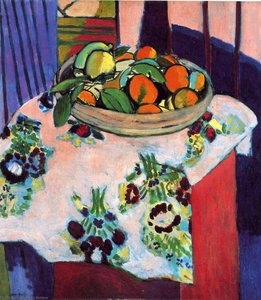
The painting immediately draws attention to the window—a recurring motif in Matisse’s oeuvre—which acts as a portal to an imagined landscape. Beyond this frame unfolds a scene of Mediterranean warmth: a palm tree ablaze with color, suggesting both vitality and a hint of drama. Within the room itself, a table becomes the focal point, adorned with a still life of oranges – symbols of abundance, joy, and the fleeting beauty of summer. These fruits aren’t rendered realistically; instead, they are simplified into bold shapes and vibrant hues, contributing to the painting's overall sense of abstraction. A bowl overflowing with more oranges echoes this principle, reinforcing the theme of visual delight and the celebration of simple pleasures.
Adding a layer of cultural intrigue is the Egyptian curtain itself – a rich appliqué textile that introduces an element of exoticism and historical reference. This deliberate inclusion speaks to Matisse’s lifelong fascination with global art traditions and his desire to synthesize diverse influences into a unified artistic vision. The curtain isn't just a decorative element; it acts as a visual anchor, grounding the scene while simultaneously hinting at distant lands and untold stories. The careful placement of the bird within the composition further enhances this sense of natural harmony and lively atmosphere, suggesting a connection between the interior space and the wider world.
While firmly rooted in Matisse's earlier Fauvist period – characterized by bold, non-naturalistic colors – “Interior with Egyptian Curtain” leans more heavily into Expressionism. This shift is evident in the artist’s deliberate use of color to convey emotion and inner experience rather than simply mimicking reality. The vibrant reds, yellows, and blues aren’t applied with a purely decorative intent; they pulsate with energy and imbue the scene with a palpable sense of warmth and optimism. Matisse's brushstrokes are loose and expressive, contributing to the painting’s dynamic quality and suggesting a process of spontaneous creation.
The simplification of forms—the reduction of objects to their essential shapes—is another key characteristic of this period in Matisse’s work. This technique, combined with his masterful use of color, creates a sense of visual harmony and balance while simultaneously conveying a powerful emotional impact. The painting's overall effect is one of joyful exuberance, reflecting Matisse’s own spirit and his belief in the transformative power of art.
"Interior with Egyptian Curtain” stands within a rich artistic lineage, echoing themes explored by artists like Chardin and Pissarro while simultaneously forging its own unique path. The influence of Japanese prints—particularly their emphasis on flattened perspective and decorative patterns—is subtly present in the painting’s composition. Furthermore, Matisse's work shares intriguing parallels with Mihai Olos’ “Curtain,” a contemporary conceptual piece that similarly investigates the symbolic potential of this fundamental architectural element.
The painting resides within the University of Iowa Museum of Art’s impressive collection of modern and contemporary art, alongside works by Henri Matisse himself and other prominent artists. This placement underscores the enduring significance of Matisse's contributions to the history of art and his continued relevance in the 21st century. It also invites viewers to consider Matisse’s work within a broader context—a global conversation about artistic expression and cultural exchange.
To deepen your appreciation for Henri Matisse's "Interior with Egyptian Curtain," we encourage you to explore related works in his oeuvre, such as “Plum Blossoms, Green Background” – a similarly vibrant exploration of color and form. Furthermore, delving into the world of Art Deco—a movement that shared Matisse’s fascination with decorative patterns and geometric abstraction—offers valuable insights into the broader artistic landscape of the early 20th century. You might also find inspiration in the work of other Expressionist painters like Edvard Munch and Wassily Kandinsky.
For a high-quality reproduction of “Interior with Egyptian Curtain,” please visit Most-Famous-Paintings.com. And for further exploration, consider visiting The University of Iowa Museum of Art: The University of Iowa Museum of Art (United States).


1869 - 1954 , Francja
Odkryj 25 arcydzieł Henri Matisse’a – od żywych kolorów fauwizmu po ikoniczne kompozycje. Poznaj historię, technikę i inspiracje malarstwa francuskiego. Reprodukcje obrazów najwyższej jakości na Most-Famous-Paintings.com! Eksploruj kolekcję online.

Odkryj 10 arcydzieł Fauwizmu! Poznaj historię Matisse'a, Deraina i innych artystów tego rewolucyjnego ruchu. Ekspresjonizm kolorystyczny w Twoim wnętrzu – reprodukcje najwyższej jakości na Most-Famous-Paintings.com. Eksploruj kolekcję online!
Poznaj 10 arcydzieł Fauwyzmu! Odkryj historię Matisse'a, Deraina i innych artystów tego rewolucyjnego ruchu. Żywe kolory, ekspresja i inspiracje wnętrzarskie czekają. Reprodukcje obrazów najwyższej jakości na Most-Famous-Paintings.com

Explore the revolutionary art of Henri Matisse! Discover his bold use of color, Fauvist origins, and lasting impact on modern painting. A comprehensive guide for art enthusiasts.

Odkryj rewolucyjny świat fauwizmu! Poznaj historię tego nurtu, kluczowych artystów i charakterystyczne użycie koloru. Analiza dzieł, inspiracje i wpływ na sztukę nowoczesną – wszystko w jednym miejscu.


Bądź na bieżąco z najnowszymi wiadomościami ze świata sztuki, ekskluzywnymi ofertami i inspiracjami dekoratorskimi.
Opowiedz nam o swoim projekcie, a nasi eksperci przygotują dla Ciebie 3 spersonalizowane propozycje dzieł sztuki.
Pozwól nam przygotować 3 propozycje specjalnie dla Ciebie – za darmo!


 Podgląd w skali
 Wyślij
 Udostępnij
 Szczegóły

 Pobierz plik obrazu
 Podobne obiekty
 RTG
RTG Pokaz slajdów
 Czytaj więcej







 Opcja ze szkłem jest dostępna wyłącznie w rozmiarach poniżej 110 cm