x

Ręcznie malowany obraz olejny na płótnie, wykonany na zamówienie przez naszych artystów w wybranym przez Ciebie wymiarze i oprawie. ( Zamów wydruk Kup obraz wysokiej rozdzielczości)





























Wybierz spośród naszych standardowych rozmiarów, które zachowują oryginalne proporcje dzieła sztuki.

Możesz wprowadzić własne wymiary, aby dopasować obraz do konkretnej ramy lub przestrzeni. Jeśli wybrany rozmiar nie będzie odpowiadał proporcjom oryginału, przytniecie dzieło sztuki lub rozszerzymy je o dodatkowe elementy, ręcznie domalowane przez artystę. Przed rozpoczęciem produkcji wyślemy projekt cyfrowy do Twojej akceptacji.
Należy pamiętać, że podgląd na ekranie nie odzwierciedla rzeczywistego przycinania ani rozszerzania obrazu. Tylko projekt dokładnie pokaże ostateczną kompozycję.
Choć oferujemy możliwość zamówienia niestandardowych rozmiarów, zalecamy wybór wymiaru z gotowej listy, aby zachować oryginalne proporcje dzieła.
Dostawa na całym świecie () w ciągu 3–4 tygodni zamiast standardowych 5 tygodni. (15 Sierpień). Bez kompromisów w kwestii jakości.


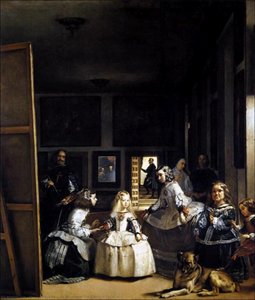
Las Meninas (The Maids of Honor) or the Royal Family – *Las Meniny*
Wymiary reprodukcji
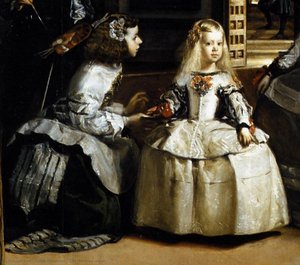
Diego Velázquez’s “Las Meninas” (1656) isn't merely a painting; it’s an invitation into the heart of 17th-century Spanish court life, a meticulously crafted illusion that continues to fascinate and challenge viewers centuries later. This monumental work, housed in the Prado Museum in Madrid, transcends its status as a royal portrait to become a profound meditation on art itself – on perception, representation, and the very act of looking. At first glance, it depicts a scene within the artist’s studio: Infanta Margaret Theresa, the young daughter of King Philip IV, is surrounded by her maids of honor, chaperones, and even a dwarf, all bathed in the warm light streaming through a window. But as you delve deeper, you realize that Velázquez has cleverly positioned himself within the composition, seemingly capturing the King and Queen reflected in a mirror – suggesting they are the subjects he’s painting, and placing the viewer in their position.
Velázquez was a master of the Baroque style, and “Las Meninas” exemplifies his unparalleled skill. The dramatic use of light is central to the painting's impact – it’s not simply illumination; it’s a carefully orchestrated tool that guides the viewer’s eye and creates a sense of depth and atmosphere. Notice how the light pools around the figures, highlighting their faces and clothing while casting subtle shadows that add volume and dimension. Velázquez’s brushwork is astonishingly loose yet incredibly controlled, creating a remarkable illusion of texture – from the shimmering silk of the maids' dresses to the rough fabric of the dwarf’s garments. His meticulous attention to detail extends to every element within the scene: the folds of drapery, the expressions on the faces, and even the subtle imperfections in the architecture. This commitment to realism was revolutionary for its time, pushing the boundaries of portraiture and elevating it to a new level of psychological insight.
“Las Meninas” is rich with symbolic layers that invite endless interpretation. The inclusion of Velázquez himself within the painting – portraying himself as he paints – immediately raises questions about the role of the artist and the nature of representation. Is he simply documenting a scene, or actively shaping it? The mirror reflecting the King and Queen adds another layer of complexity, blurring the lines between reality and illusion. Some scholars believe that the mirror is not merely a reflection but a symbolic gesture – an assertion of Velázquez’s importance and his position within the royal court. The positioning of the figures also holds significance; their gestures and expressions suggest a carefully choreographed performance, reflecting the rigid etiquette and social hierarchy of the Spanish court. Even the dwarf, José Nieto Panaderos, is not simply a decorative element but a symbol of tolerance and acceptance – a reminder that beauty and dignity can be found in unexpected places.
Painted during a pivotal moment in Philip IV's reign, “Las Meninas” represents the apex of Velázquez’s artistic career. By 1656, he had risen to become the King’s personal painter and chamberlain, granting him unprecedented access to the royal family and court life. This position afforded him not only wealth and prestige but also a unique opportunity to observe and document the intricacies of the Habsburg court. The painting reflects his deep understanding of the court's hierarchy, its rituals, and its unspoken rules – all meticulously captured in this extraordinary composition. It’s a testament to Velázquez’s ability to transform personal experience into universal art, offering us a glimpse into a world both opulent and profoundly human.
A hand-painted reproduction of “Las Meninas” offers a remarkable opportunity to bring this iconic masterpiece into your own space. Whether adorning a grand salon or a smaller study, its captivating composition and masterful execution will undoubtedly spark conversation and inspire contemplation. Most-Famous-Paintings’s reproductions are created by skilled artisans using traditional techniques, ensuring that you receive a faithful representation of Velázquez's original vision – a timeless work of art that continues to resonate with audiences around the world.

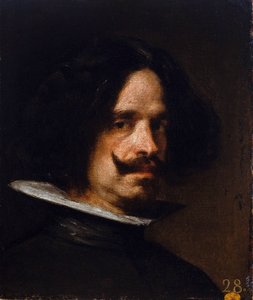
1599 - 1660 , Hiszpania

Explore the profound drama of Spanish Baroque art. Delve into the mastery of light, shadow, and realism through the legendary works of Diego Velázquez and the Spanish Golden Age with our expert-led historical guide.


Bądź na bieżąco z najnowszymi wiadomościami ze świata sztuki, ekskluzywnymi ofertami i inspiracjami dekoratorskimi.
Opowiedz nam o swoim projekcie, a nasi eksperci przygotują dla Ciebie 3 spersonalizowane propozycje dzieł sztuki.
Przygotujemy dla Ciebie 3 propozycje zupełnie za darmo!


 Podgląd w skali
 Wyślij jako kartkę
 Udostępnij
 Szczegóły dzieła

 Pobierz
 Podobne obiekty
 RTG
RTG Pokaz slajdów


 Rozwiń treść







 Opcja ze szkłem jest dostępna wyłącznie w rozmiarach poniżej 110 cm