A Timeless Sanctuary of Provençal Splendor
Nestled within the sun-drenched landscapes of Provence, the Musée des Beaux-Arts in Toulon serves as much more than a mere repository for antiquity; it is a living, breathing testament to the enduring legacy of human creativity. Recently revitalized through an extensive €15 million renovation that earned it the prestigious “Musée de France” label, this institution offers a sanctuary where history and modernity converge. To step inside is to enter a quiet oasis of brilliance, where the warmth of the Mediterranean sun seems to seep through the very walls, inviting visitors into a profound dialogue with the past. The museum’s presence in Toulon is not merely local but global, acting as a cultural crossroads that bridges the gap between ancient heritage and the cutting edge of contemporary expression.
The architectural grandeur of the museum itself tells a story of neoclassical elegance and historical transformation. Built in 1824 during the reign of Louis XVIII, the structure was originally envisioned by the architect Jean-Baptiste Raspail as a secondary school, or lycée. This original purpose is still whispered in its stately corridors and imposing façade, which features magnificent Corinthian columns and intricate ornamentation that reflect the refined architectural sensibilities of the nineteenth century. As one wanders through the interior, the spaces are bathed in a soft, natural light streaming from large windows overlooking the Place Anatole France, creating an atmosphere of contemplative peace. This luminous environment provides the perfect stage for the museum's diverse collection, which spans the vast timeline of human artistry from prehistoric artifacts to the boldest contemporary movements.
Masterpieces and the Soul of Post-Impressionism
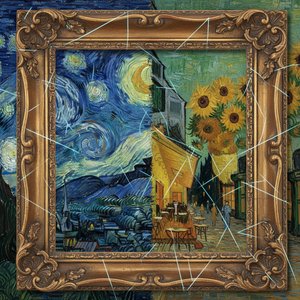
For the discerning art lover or collector, the true heartbeat of the Musée des Beaux-Arts lies in its remarkable holdings of pivotal artistic epochs. The collection is a curated journey through time, moving seamlessly from the spiritual weight of Romanesque and Gothic art to the dramatic tension of Baroque sculpture. However, it is perhaps in the realm of Impressionism and Post-Impressionism that the museum truly shines, offering works that capture the fleeting essence of light and emotion. One cannot traverse these halls without being moved by the presence of Vincent Van Gogh. His emotionally charged canvases, such as the iconic “Fishing Boats at Sea”, serve as luminous anchors within the gallery. In this particular masterpiece, the vibrant colors and rhythmic brushstrokes evoke a sense of profound tranquility, capturing the very soul of the sea.
The museum’s ability to present these works in such an intimate setting makes it a unique destination for interior designers and decorators seeking inspiration from the masters. Beyond Van Gogh, the collection features the serene, atmospheric landscapes of Jean Baptiste Camille Corot, whose work embodies the pastoral beauty of the French countryside, and the powerful, tactile sculptures of Auguste Rodin and Constantin Brancusi. This juxtaposition of delicate painting and robust sculpture creates a rich sensory experience, where the weight of stone meets the fluidity of oil. Through ongoing exhibitions that explore themes ranging from the evolution of portraiture to the intricate complexities of color theory, the Musée des Beaux-Arts ensures that its narrative is never static, constantly inviting new generations to rediscover the beauty of the classical and the radical alike.