x

Óleo sobre tela pintado à mão no seu tamanho e moldura, feito sob encomenda pelos nossos artistas. ( Encomendar impressão Comprar imagem em alta resolução)





























Escolha entre os nossos tamanhos pré-definidos que respeitam as proporções originais da obra de arte.

Pode inserir as suas próprias dimensões para se adequar a uma moldura ou espaço específico. Se o tamanho selecionado não corresponder às proporções da imagem original, iremos cortar a obra de arte ou estender a pintura com elementos adicionais pintados à mão. Um esboço digital será enviado para sua aprovação antes do início da produção.
Tenha em atenção que a pré-visualização no ecrã não reflete o corte ou extensão real. Apenas o esboço mostrará com precisão a composição final.
Embora tamanhos personalizados estejam disponíveis, recomendamos selecionar uma dimensão da lista predefinida para preservar as proporções originais.
Entrega mundial () em 3 a 4 semanas, em vez das 5 semanas padrão. (18 Agosto). Sem comprometer a qualidade.


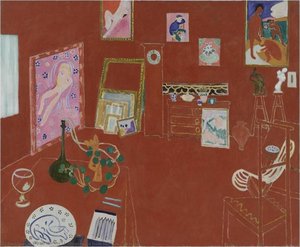
The Artist and his model
Dimensões da Reprodução
Henri Matisse's "The Artist and His Model," painted in 1919, is more than just a depiction of a studio scene; it’s a vibrant exploration of the creative process itself. This captivating work, firmly rooted within the Fauvist movement, offers a glimpse into Matisse’s world – a space where art, leisure, and the human form intertwine with an almost intoxicating energy. The painting immediately draws the eye with its audacious use of color, a hallmark of Matisse's signature style, and its dynamic composition that seems to pulse with life. It’s a testament to his ability to distill complex ideas into deceptively simple forms, inviting viewers to contemplate not just what they see, but how it *feels*.
At the heart of the scene is a woman, seated comfortably on a couch – a model for the artist himself. Her pose, deliberately relaxed and open, suggests an intimacy both artistic and personal. The arrangement of objects around her—vases overflowing with flowers, a bowl resting on a table, and potted plants adding splashes of green—creates a carefully curated environment, almost like a still life infused with human presence. These elements aren’t merely decorative; they contribute to the painting's overall sense of abundance and pleasure, reflecting Matisse’s own philosophy of art as a source of joy and beauty.
“The Artist and His Model” is a quintessential example of Fauvist painting. Emerging in France around 1905, this movement rejected the muted tones and realistic depictions of Impressionism in favor of intense, non-naturalistic colors. Matisse, along with André Derain and Maurice de Vlaminck, embraced this radical approach, using color not to represent reality but to express emotion and create a visual impact. In this painting, the vibrant reds, blues, yellows, and greens are applied with broad, confident brushstrokes—a deliberate departure from the subtle gradations of earlier styles. These bold colors aren’t simply decorative; they vibrate with energy, mirroring the dynamism of the scene and conveying a sense of excitement and spontaneity.
Matisse's technique is equally noteworthy. He employs loose, gestural brushstrokes that seem to dance across the canvas, creating a sense of movement and immediacy. The forms are simplified and flattened, reducing detail and emphasizing color and shape. This simplification isn’t an abandonment of observation; rather, it’s a conscious choice to distill the essence of the scene, focusing on its most vital elements. The artist's hand is visible in these strokes, adding a layer of intimacy and immediacy to the work.
To fully appreciate “The Artist and His Model,” it’s essential to understand its place within the broader context of art history. The painting emerged during a period of profound artistic transformation, following the legacy of Post-Impressionism. Artists like Paul Cézanne, Vincent van Gogh, and Paul Gauguin had challenged traditional notions of representation, paving the way for new approaches to color, form, and composition. Matisse built upon this foundation, pushing the boundaries of Fauvism even further, creating a style that was both intensely personal and profoundly influential.
The painting’s creation coincided with a time of social and political upheaval—the aftermath of World War I. While not overtly political, “The Artist and His Model” can be interpreted as a celebration of beauty and creativity in the face of adversity. Matisse's focus on pleasure and sensory experience offered a counterpoint to the horrors of war, suggesting that art could provide solace and inspiration.
Beyond its formal qualities, “The Artist and His Model” is rich in symbolism. The artist’s pose—holding a paintbrush and gazing at his model—suggests a creative dialogue between the two figures. It's a moment of collaboration, where art is born through observation and interaction. The woman’s relaxed posture and open gaze invite viewers to share in this intimate scene, fostering a sense of connection and empathy. The inclusion of flowers and plants further reinforces the theme of beauty and growth, hinting at the potential for creativity to flourish.
Ultimately, “The Artist and His Model” is a testament to Matisse’s genius—a vibrant, emotionally resonant painting that captures the essence of artistic creation. Its bold colors, dynamic composition, and intimate subject matter continue to captivate viewers today, reminding us of the power of art to inspire joy, wonder, and contemplation.


1869 - 1954 , França
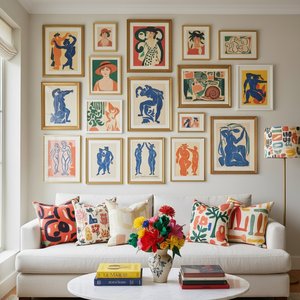
Descubra as 25 obras-primas de Henri Matisse que revolucionaram a arte moderna! Explore o Fauvismo, cores vibrantes e a história por trás dos quadros mais famosos do artista. Encontre reproduções de alta qualidade para decorar sua casa com Most-Famous-Paintings.com.

Descubra as 10 obras-primas do Fauvismo com Matisse, Derain e Vlaminck. Explore a história, cores vibrantes e emoção por trás deste movimento artístico revolucionário. Reproduções de arte exclusivas em Most-Famous-Paintings.com!
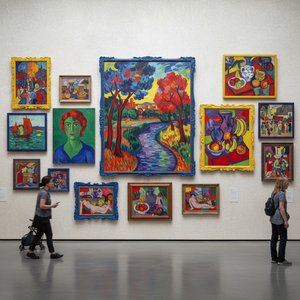
Descubra as 10 obras-primas do Fauvismo, com Matisse e Derain! Explore a história, cores vibrantes e técnicas revolucionárias deste movimento artístico. Encontre reproduções de arte exclusivas para decorar sua casa em Most-Famous-Paintings.com.

Explore the revolutionary art of Henri Matisse! Discover his bold use of color, Fauvist origins, and lasting impact on modern painting. A comprehensive guide for art enthusiasts.

Explore the revolutionary Fauvism movement & Henri Matisse's bold use of color! Discover key characteristics, iconic artworks, and its lasting impact on modern art history with Most-Famous-Paintings.


Fique por dentro das últimas notícias de arte, ofertas exclusivas e ideias de decoração.
Conte-nos sobre o seu projeto e os nossos especialistas em arte fornecerão 3 sugestões de arte personalizadas.
Deixe que selecionamos 3 opções especialmente para você – Grátis!


 Visualizar em escala
 Enviar
 Compartilhar
 Ver detalhes

 Baixar
 Semelhantes
 Raio X
 Apresentação de slides

 Ver mais







 A opção de vidro está disponível apenas para tamanhos inferiores a 110 cm