


x


 Oil On CanvasWallArtNorthern Renaissance
 1535
1535 50.0 x 35.0 cm
 Museu de Arte Nelson-Atkins
Óleo sobre tela pintado à mão no seu tamanho e moldura, feito sob encomenda pelos nossos artistas. ( Alternar para Impressão Alternar para Imagem)





























Escolha entre os nossos tamanhos pré-definidos que respeitam as proporções originais da obra de arte.

Pode inserir as suas próprias dimensões para se adequar a uma moldura ou espaço específico. Se o tamanho selecionado não corresponder às proporções da imagem original, iremos cortar a obra de arte ou estender a pintura com elementos adicionais pintados à mão. Um esboço digital será enviado para sua aprovação antes do início da produção.
Tenha em atenção que a pré-visualização no ecrã não reflete o corte ou extensão real. Apenas o esboço mostrará com precisão a composição final.
Embora tamanhos personalizados estejam disponíveis, recomendamos selecionar uma dimensão da lista predefinida para preservar as proporções originais.
Entrega mundial () em 3 a 4 semanas, em vez das 5 semanas padrão. (3 Agosto). Sem comprometer a qualidade.


The Three Graces
Tamanho da Reprodução
Lucas Cranach the Elder’s “The Three Graces” transcends mere depiction; it embodies the very spirit of Northern Renaissance artistry—a harmonious blend of classical ideals and humanist observation. Painted in 1535 during a period marked by religious upheaval, this masterpiece at the Nelson-Atkins Museum of Art stands as a testament to Cranach’s mastery of capturing beauty and conveying profound symbolic meaning.
Style and Influences: Cranach's work firmly establishes itself within the Northern Renaissance tradition. Drawing inspiration from Italian humanist thinkers like Leonardo da Vinci and Michelangelo, he skillfully integrates classical motifs—particularly those derived from Greek mythology—into his compositions. Unlike the opulent grandeur of Florentine art, Cranach’s aesthetic prioritizes restraint and elegance, favoring subtle tonal gradations and meticulous detail to illuminate the human form.
Painting Details and Technique: Executed in oil on panel, “The Three Graces” showcases Cranach's unparalleled technical prowess. The artist employs a pyramidal composition—a hallmark of Renaissance painting—to elevate the figures of Euphrosyne, Aglaea, and Thalia to a position of prominence. Delicate brushstrokes create an illusion of soft flesh tones and drapery folds, capturing the ethereal quality characteristic of Northern Renaissance art. Cranach’s meticulous attention to anatomical accuracy reflects his deep understanding of human anatomy, furthering enhancing the realism of the scene.
Symbolism: The painting's symbolism resonates deeply with humanist beliefs prevalent during Cranach’s time. The Graces—Euphrosyne (Joy), Aglaea (Splendor), and Thalia (Youth)—represent virtues associated with feminine beauty, grace, and prosperity. Their poses are deliberately reminiscent of sculptures by Praxiteles, emphasizing the ideal human form and celebrating divine harmony. The black background serves to heighten the luminosity of the nude figures, directing the viewer’s gaze towards their serene expressions and idealized postures.
Historical Context: Created amidst the Protestant Reformation, “The Three Graces” reflects a renewed interest in classical art as a counterbalance to medieval religious dogma. Cranach's patrons—including Frederick III of Saxony—embraced humanist ideals, fostering an environment conducive to artistic innovation. This painting exemplifies the Renaissance’s commitment to portraying human beauty and virtue with dignity and grace – values that continue to inspire artists and collectors today.
Availability: Explore a stunning reproduction of “The Three Graces” at Most-Famous-Paintings.com, where you can acquire a high-quality print that captures the essence of this iconic Renaissance artwork.


1472 - 1553 , Alemanha

Descubra as 25 obras-primas do Metropolitan Museum of Art em Nova York! Explore a história de Van Gogh, Monet e outros artistas renomados. Encontre reproduções de arte exclusivas para decorar sua casa com elegância. Most-Famous-Paintings.com – Sua fonte de inspiração artística.
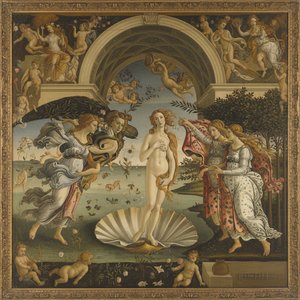
Descubra as 25 obras-primas de Sandro Botticelli, o mestre do Renascimento italiano! Explore a beleza atemporal de 'O Nascimento de Vênus', 'Primavera' e outras pinturas icônicas. Encontre reproduções de arte exclusivas e inspire sua decoração em Most-Famous-Paintings.com.
Descubra as 10 obras-primas do Renascimento Inicial que revolucionaram a arte! Explore Botticelli, Leonardo da Vinci e Michelangelo. Encontre reproduções de alta qualidade para decorar sua casa com elegância em Most-Famous-Paintings.com.
Descubra as 25 obras-primas de Rafael, o mestre do Renascimento italiano! Explore a história por trás das pinturas mais famosas, como 'A Escola de Atenas' e suas Madonas. Encontre reproduções de arte exclusivas para decorar sua casa com beleza clássica em Most-Famous-Paintings.com.

Descubra as 10 obras-primas do Renascimento Humanista! Explore a história de Leonardo da Vinci, Michelangelo e Rafael. Encontre reproduções de arte exclusivas para decorar sua casa com elegância. Most-Famous-Paintings: beleza atemporal ao seu alcance.


Fique por dentro das últimas notícias de arte, ofertas exclusivas e ideias de decoração.
Conte-nos sobre o seu projeto e os nossos especialistas em arte fornecerão 3 sugestões de arte personalizadas.
Deixe que selecionamos 3 opções especialmente para você – Grátis!


 Visualizar na parede
 Compartilhar
 Compartilhar
 Detalhes

 Baixar imagem
 Semelhantes
 Raio X
 Apresentação de slides
 Ler mais







 A opção de vidro está disponível apenas para tamanhos inferiores a 110 cm


