x

 Óleo sobre telaArte de ParedePost-Impressionismo
 1890Século XIX
 81.0 x 65.0 cm
 Ohara Museum of Art
Óleo sobre tela pintado à mão no seu tamanho e moldura, feito sob encomenda pelos nossos artistas. ( Ir para Impressão Alternar para Imagem)





























Escolha entre os nossos tamanhos pré-definidos que respeitam as proporções originais da obra de arte.

Pode inserir as suas próprias dimensões para se adequar a uma moldura ou espaço específico. Se o tamanho selecionado não corresponder às proporções da imagem original, iremos cortar a obra de arte ou estender a pintura com elementos adicionais pintados à mão. Um esboço digital será enviado para sua aprovação antes do início da produção.
Tenha em atenção que a pré-visualização no ecrã não reflete o corte ou extensão real. Apenas o esboço mostrará com precisão a composição final.
Embora tamanhos personalizados estejam disponíveis, recomendamos selecionar uma dimensão da lista predefinida para preservar as proporções originais.
Entrega Mundial () em 3 a 4 semanas, em vez das 5 semanas padrão. (31 Julho). Sem comprometer a qualidade.


Paisagem
Dimensões da Reprodução
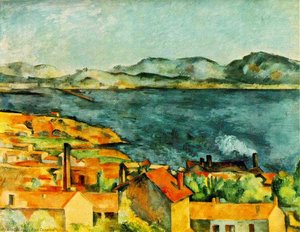
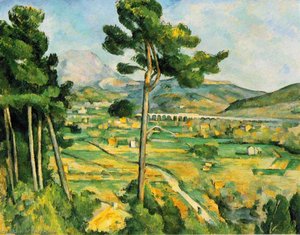
Paul Cézanne's Landscape, painted in the year 1890, isn’t merely a depiction of a rural scene; it’s an invitation to step into a realm of profound contemplation. This work, housed within the National Gallery, offers a serene vision of the French countryside – specifically, the rolling hills and valleys surrounding Cézanne's beloved home in Provence. More than just a landscape, it represents a pivotal moment in the artist’s journey, bridging the vibrant Impressionism of his early career with the nascent explorations of Cubism that would define his later work. The painting immediately draws the eye with its muted palette – predominantly ochres, blues, and greens—a deliberate choice designed to evoke the subtle light and atmosphere of the Provençal landscape. Yet, beneath this apparent simplicity lies a complex layering of observation and interpretation, reflecting Cézanne’s revolutionary approach to capturing the essence of form.
Cézanne wasn't interested in replicating the fleeting impressions of light and color that characterized Impressionism. Instead, he sought to understand – and ultimately reconstruct—the underlying structure of nature itself. This painting exemplifies his groundbreaking approach. Notice how the perspective is deliberately flattened, a technique that departs significantly from traditional linear methods. Depth isn’t achieved through vanishing points or precise measurements; rather, it's created through variations in color intensity, tonal shifts, and the strategic layering of paint. The artist employs what he termed “impasto”—a thick application of pigment—particularly prominent on the buildings and hillsides. This tactile technique not only adds texture but also emphasizes the physicality of the landscape, inviting a close inspection of its surface. Furthermore, Cézanne’s brushstrokes are loose and expressive, conveying movement and energy within the composition. He simplifies shapes into geometric forms – cylinders, spheres, cones—anticipating the analytical approach later embraced by Cubist artists. It's as if he is dissecting nature, reducing it to its fundamental components before reassembling it on the canvas.
Born and largely based in Aix-en-Provence, France, Cézanne held a lifelong fascination with his native landscape. This painting is deeply rooted in that connection. His early work was influenced by Romanticism and Realism, depicting scenes of rural life with a focus on detail and accuracy. However, he gradually moved towards a more subjective and expressive style, absorbing lessons from Neo-Impressionists like Georges Seurat and Post-Impressionist contemporaries such as Paul Gauguin. Cézanne’s dedication to capturing the essence of form over fleeting impressions set him apart. He wasn't simply painting *what* he saw, but *how* he perceived it – a radical shift in artistic thinking. The village nestled amongst the hills isn’t just a picturesque backdrop; it represents a connection to tradition and a simpler way of life, values that resonated deeply with Cézanne’s artistic vision.
While not overtly symbolic in the traditional sense, this landscape evokes a powerful sense of nostalgia and tranquility. The muted tones, punctuated by vibrant hues—particularly in the distant hills—suggest the subtle beauty found within the natural world. The village itself isn’t merely a collection of buildings; it represents a connection to history, community, and a slower pace of life. There's an emotional weight to the scene – a quiet contemplation that invites viewers to pause and reflect on their own relationship with nature and place. It’s not a dramatic or sensational landscape, but one that speaks to the enduring power of peaceful observation. The painting whispers of memories, of simpler times, and of the profound connection between humanity and the land.
Owning a reproduction of *Landscape* isn’t just acquiring a beautiful artwork; it’s embracing a piece of art history – a testament to the enduring power of Cézanne’s vision and his revolutionary approach to seeing and representing the world around us.


1839 - 1906 , França

Explore the transformative era of Post-Impressionism. Discover how masters like Van Gogh moved beyond light to embrace emotion, structure, and vibrant color, redefining modern art history through expressive brushwork and symbolic depth.


Fique por dentro das últimas notícias de arte, ofertas exclusivas e ideias de decoração.
Conte-nos sobre o seu projeto e os nossos especialistas em arte fornecerão 3 sugestões de arte personalizadas.
Deixe-nos selecionar 3 opções especialmente para você – Grátis!


 Visualizar em escala
 Enviar
 Compartilhar
 Detalhes da obra

 Baixar
 Semelhantes
 Raio X
 Slideshow
 Ver mais







 A opção de vidro está disponível apenas para tamanhos inferiores a 110 cm