Venda sua arte
Lista de desejos Carrinho de compras Cart
Visualizar em escalaVisualizar em escala Visualizar em RAVisualizar em RA Ver impressão do pedido Ver impressão do pedidoBaixar imagem em alta resolução Baixar imagem em alta resolução EnviarEnviar
Ver detalhesVer detalhes Adicionar aos favoritos Adicionar aos favoritos BaixarBaixar SemelhantesSemelhantes Raio XRaio X Apresentação de slidesApresentação de slides

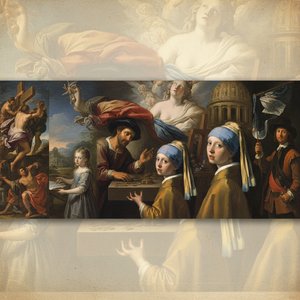
Adoração dos Reis

Uma obra-prima barroca italiana de Alessandro Turchi, 'Adoração dos Reis', retrata uma cena emocionante da humildade e reverência diante do nascimento de Cristo em Verona.

Descubra Alessandro Turchi (L'Orbetto), mestre barroco italiano conhecido por seu estilo suave e dramático, que combina o caravaggesco com a graça lírica. Explore obras históricas e religiosas de Verona & Roma.

Reprodução em Óleo Feita à Mão

Óleo sobre tela pintado à mão no seu tamanho e moldura, feito sob encomenda pelos nossos artistas. (Ver impressão do pedido Ver impressão do pedidoBaixar imagem em alta resolução Baixar imagem em alta resolução)

P118B $10
P118H $10
P118W $10
P438Z $10
P508JH $12
P508YH $12
P805H $10
P805Z $10
P919BZ $10
P919G $10
P919XJ $10
P959ZH $10
P968JZ $12
W106C $8
W218G $10
W218JH $8
W218Y $10
W307PJ $10
W316G $10
W316PJ $8
W316Y $10
W398PJ $8
W4111J $10
W500HY $15
W500JH $15
W692G $12
W849H $8
W940BG $15
W953PJ $8

Standard
custom
CM
INCH

Escolha entre os nossos tamanhos pré-definidos que respeitam as proporções originais da obra de arte.

largura
altura

Pode inserir as suas próprias dimensões para se adequar a uma moldura ou espaço específico. Se o tamanho selecionado não corresponder às proporções da imagem original, iremos cortar a obra de arte ou estender a pintura com elementos adicionais pintados à mão. Um esboço digital será enviado para sua aprovação antes do início da produção.
Tenha em atenção que a pré-visualização no ecrã não reflete o corte ou extensão real. Apenas o esboço mostrará com precisão a composição final.
Embora tamanhos personalizados estejam disponíveis, recomendamos selecionar uma dimensão da lista predefinida para preservar as proporções originais.

Exemplos do que pode ser personalizado: Substituir o rosto pela foto do cliente; Adicionar um animal de estimação (ex: substituir gato por cão); Incluir uma mensagem oculta no fundo; Alterar a paisagem ou elementos do fundo.
Após o pedido, a equipa Most-Famous-Paintings.com enviará um e-mail ao cliente para solicitar instruções e fornecer uma prévia do esboço.

Entrega mundial () em 3 a 4 semanas, em vez das 5 semanas padrão. (8 Agosto). Sem comprometer a qualidade.

why_choose_icon
Envio Expresso Gratuito para todo o Mundo
why_choose_icon
Tela de Linho Premium
why_choose_icon
Seguro de transporte total
why_choose_icon
Garantia de Reembolso de Impostos Alfandegários
why_choose_icon
Garantia de Fidelidade de Cor
why_choose_icon
Política de Devolução de 60 Dias (Apenas para Defeitos)
why_choose_icon
Garantia de reembolso de 100%
why_choose_icon
Desconto para múltiplas unidades

Preço Total

$ 272

reproduction

Adoração dos Reis

Técnica de Reprodução

Dimensões da Reprodução

-

Preço Total

$ 272

Detalhes Rápidos

  • Influences: Caravaggio
  • Movement: Roman Baroque
  • Medium: Oil on Canvas
  • Artist: Alessandro Turchi
  • Notable elements or techniques: Caravaggesque style
  • Subject or theme: Religious Iconography
  • Location: Private Collection

Teste de Conhecimentos Artísticos

Cada pergunta possui apenas uma resposta correta.

Questão 1:
What artistic movement is Alessandro Turchi primarily associated with?
Questão 2:
The painting depicts a scene from the Bible. Specifically, what biblical event does it portray?
Questão 3:
What is notable about Alessandro Turchi’s style, as evidenced by his early works?
Questão 4:
The painting includes several symbolic elements, such as horses, donkeys, birds, and books. What is the overall purpose of these symbols?
Questão 5:
Alessandro Turchi’s training began with Felice Riccio, who taught him primarily in what style?

Descrição da Obra

Alessandro Turchi: Um Ponte Entre o Mannerismo Veronese e o Barroco Romano

Alessandro Turchi, conhecido carinhosamente como “L’Orbetto” – o pequeno urchin –, foi uma figura fundamental que conectou as tradições tardanas do manierismo veronense com o fervor dramático do início do barroco romano. Nascido em 1578 em Verona, cidade marcada pelo espírito artístico, sua trajetória reflete um fascinante diálogo entre estilos regionais e a força magnética das inovações artísticas de Roma.

Seu treinamento inicial com Felice Riccio (il Brusasorci), pintor veronense proeminente, estabeleceu uma sólida base em técnica e composição. Esta aprendizagem inculcou nele uma abordagem meticulosa à forma e uma sensibilidade à cor que caracterizariam suas obras iniciais. Já em 1603, Turchi havia se estabelecido como artista independente, ganhando rapidamente reconhecimento pelo seu talento emergente.

Uma importante encomenda precoce – os revestimentos dos órgãos da Accademia Filarmonica de Verona (1606-1609) – demonstrou não apenas sua habilidade técnica, mas também sua capacidade de capturar o espírito da época. Esta obra monumental é considerada um marco na transição entre o manierismo e o barroco, refletindo uma estética suave e influenciada pelo estilo caravaggesco.

Estilo e Técnica: Uma Harmonia Caravaggesca

O estilo de Turchi pode ser descrito como uma combinação singular entre elementos do manierismo veronense e a influência marcante de Caravaggio. Sua pintura apresenta uma luz intensa e dramática, que cria efeitos de sombra profunda e valoriza o contraste entre claro e escuro – características típicas da escola caravaggesca.

Turchi dominava técnicas avançadas de pintura a óleo sobre tela, utilizando camadas finas de tinta para obter resultados excepcionais em termos de textura e luminosidade. Sua atenção aos detalhes minuciosos e à precisão anatômica demonstra um profundo conhecimento da arte clássica e uma busca constante pela beleza ideal.

Contexto Histórico e Simbolismo Religioso

A produção artística de Turchi ocorreu durante um período crucial da história europeia, marcado pela Reforma Protestante e pelo fortalecimento do poder papal. Sua obra reflete o clima intelectual e religioso da época, caracterizado pela crença na Providência Divina e pela importância da fé cristã.

O tema central das pinturas de Turchi é frequentemente a religião católica, especialmente a figura de Cristo como Salvador da Humanidade. Os símbolos religiosos presentes em suas obras – como o menino Jesus no estábulo, os animais sagrados e os objetos litúrgicos – carregam significados profundos que evocam valores morais e espirituais elevados.

Impacto Emocional e Beleza Idealizada

As pinturas de Alessandro Turchi transcendem a mera representação visual da realidade, buscando transmitir emoções humanas genuínas e inspirar o contemplador. Sua estética suave e harmoniosa convida à reflexão sobre questões existenciais fundamentais, como o amor divino, a vida após a morte e a busca pela felicidade.

Turchi alcançou uma beleza idealizada que reflete os princípios da arte clássica greco-romana, buscando reproduzir a perfeição estética e moral. Sua obra permanece relevante até hoje, inspirando artistas e amantes da arte em todo o mundo.


Biografia do Artista

A Veronese Master in the Roman Baroque: The Life and Art of Alessandro Turchi

Alessandro Turchi, affectionately known as “L’Orbetto” – the little urchin – was a pivotal figure bridging the late Mannerist traditions of Verona with the burgeoning drama of the early Roman Baroque. Born in 1578 into a Verona touched by artistic fervor, Turchi's journey reflects a fascinating interplay between regional styles and the magnetic pull of Rome’s artistic innovations. His initial training under Felice Riccio (il Brusasorci), a prominent Veronese painter, laid a solid foundation in technique and composition. This apprenticeship instilled within him a meticulous approach to form and a sensitivity to color that would characterize his early works. By 1603, Turchi had established himself as an independent artist, quickly gaining recognition for his emerging talent. A significant early commission – the organ shutters for the Accademia Filarmonica of Verona (1606-1609) – demonstrated not only his technical skill but also his versatility in handling large-scale decorative projects. This period solidified his position within the Veronese art scene, preparing him for a broader artistic horizon.

From Verona to Rome: A Blossoming Career

The death of Felice Riccio in 1605 proved a turning point. Turchi, alongside Pasquale Ottino, stepped forward to complete several canvases left unfinished by their master, an act that further honed his skills and cemented his reputation within the artistic community. This collaborative effort wasn’t merely about finishing existing works; it was a crucial period of learning and refinement, allowing Turchi to absorb Riccio's stylistic nuances while simultaneously developing his own unique voice. His ambition soon led him beyond Verona. By 1616, he had ventured to Rome, the epicenter of artistic innovation, where he quickly became immersed in the vibrant atmosphere of papal patronage and artistic competition. His involvement in the fresco decoration of the Sala Reggia at the Quirinal Palace – depicting the Gathering of Manna – marked his arrival on the Roman stage. This commission brought him into contact with leading artists of the day and exposed him to the dramatic intensity that defined the emerging Baroque style. A particularly notable achievement during this period was *Christ, Magdalen, and Angels*, commissioned by Cardinal Scipione Borghese, a powerful patron known for his discerning taste and support of artistic talent.

A Synthesis of Styles: Caravaggism and Grace

Turchi’s artistic style is remarkably distinctive – a compelling blend of softness and dramatic intensity. While deeply influenced by the works of Carlo Cagliari and, crucially, his early mentor Felice Riccio, he didn't simply imitate their styles. Instead, he forged a unique path that set him apart from his contemporaries. The influence of Caravaggio is undeniable; Turchi masterfully employed *chiaroscuro* – the dramatic use of light and shadow – to create a sense of theatricality and emotional depth in his paintings. However, unlike some of Caravaggio’s more starkly realistic depictions, Turchi tempered this intensity with a lyrical grace and a refined sensitivity to color. His figures possess a sculptural quality, yet they are imbued with a gentle humanity that softens the dramatic impact. This ability to balance these seemingly opposing forces – drama and delicacy – is what defines his artistic signature. He frequently employed black marble as a background in his historical scenes, creating a striking contrast that further enhanced the emotional power of his compositions. His works often featured allegorical themes, rendered with an elegance that belied their dramatic subject matter.

Major Works and Recognition

Turchi’s career spanned several decades, during which he produced a diverse body of work encompassing religious altarpieces, historical paintings, and decorative panels. Among his most celebrated achievements are the organ shutters for the Accademia Filarmonica in Verona (1606-1609), demonstrating his early mastery of composition and color; the *Assumption* altarpiece for the church of San Luca in Verona (1610), a testament to his skill in depicting religious figures with grace and dignity; and the *Judgment of Paris*, a monumental work that exemplifies his synthesis of Caravaggesque drama and classical elegance. His involvement in decorating the Sala Reggia at the Quirinal Palace in Rome, alongside artists like Pietro da Cortona and Andrea Sacchi, solidified his reputation as one of the leading painters of his time. In 1637, he was elected “Principe” – director – of the Accademia di San Luca, a prestigious institution that served as a center for artistic innovation and patronage in Rome. This honor reflected his influence within the Roman art world and underscored his commitment to fostering the development of young artists.

Legacy and Influence

Alessandro Turchi’s legacy extends beyond his individual works. He was a generous mentor, nurturing the talents of several promising young painters, including Giovanni Ceschini and Giovanni Battista Rossi (il Gobbino), both of whom continued to practice in Verona. His artistic principles – particularly his ability to fuse dramatic intensity with lyrical grace – profoundly influenced subsequent generations of Italian Baroque artists. Though many of his works were lost or dispersed over the centuries, Turchi’s paintings continue to be admired for their beauty, emotional depth, and technical mastery. He remains a significant figure in the history of Venetian and Roman art, embodying the dynamic interplay between regional traditions and the transformative power of artistic innovation. His work stands as a reminder that true artistry lies not only in skill but also in the ability to capture the essence of human experience with both passion and sensitivity.
Alessandro Turchi

Alessandro Turchi

1578 - 1649 , Itália

Informações Rápidas

  • Artistic Movement Or Style: Barroco Inicial
  • Artists Or Movements Influenced By This Artist:
    • Giovanni Ceschini
    • Giovanni B. Rossi
  • Artists Who Influenced This Artist:
    • Felice Riccio
    • Carlo Cagliari
  • Date Of Birth: 1578
  • Date Of Death: 1649
  • Full Name: Alessandro Turchi
  • Nationality: Italiano
  • Notable Artworks:
    • Assunção
    • Cristo...
    • Julgamento
  • Place Of Birth: Verona, Itália
Explore obras de arte organizadas por temas, estilos e características.