


x
 Neoclassicism
 1792Renascimento
 229.0 x 298.0 cm
 Roy Miles Gallery
Óleo sobre tela pintado à mão no seu tamanho e moldura, feito sob encomenda pelos nossos artistas. ( Encomendar impressão Comprar imagem em alta resolução)





























Escolha entre os nossos tamanhos pré-definidos que respeitam as proporções originais da obra de arte.

Pode inserir as suas próprias dimensões para se adequar a uma moldura ou espaço específico. Se o tamanho selecionado não corresponder às proporções da imagem original, iremos cortar a obra de arte ou estender a pintura com elementos adicionais pintados à mão. Um esboço digital será enviado para sua aprovação antes do início da produção.
Tenha em atenção que a pré-visualização no ecrã não reflete o corte ou extensão real. Apenas o esboço mostrará com precisão a composição final.
Embora tamanhos personalizados estejam disponíveis, recomendamos selecionar uma dimensão da lista predefinida para preservar as proporções originais.
Entrega mundial () em 3 a 4 semanas, em vez das 5 semanas padrão. (15 Agosto). Sem comprometer a qualidade.


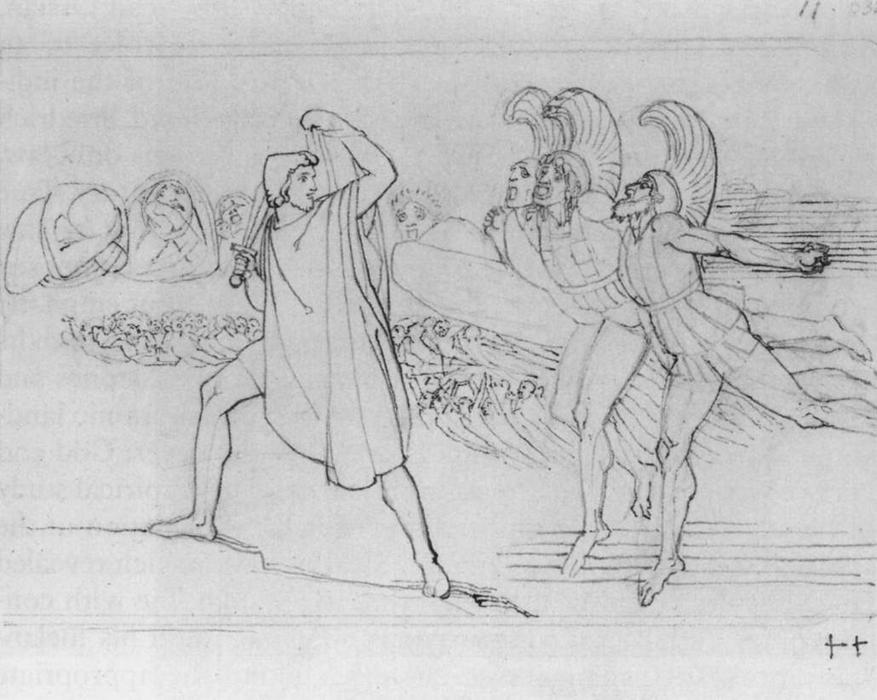
John Flaxman 1793 A Symphony of Shadows: Flaxman’s ‘Odysseus in the Underworld’ John Flaxman's 'Odysseus in the Underworld,' executed in 1793, is far more than a mere illustration; it’s a potent distillation of Neoclassical ideals and a deeply evocativ
Dimensões da Reprodução
John Flaxman’s ‘Odysseus in the Underworld,’ completed in 1793, is far more than a mere illustration; it's a potent distillation of Neoclassical ideals and a deeply evocative meditation on Homeric themes. This remarkable sketch captures a pivotal moment from the Odyssey – Odysseus’s perilous journey into the realm of the dead to consult with the shade of Tiresias – rendered with an intensity that speaks volumes about the anxieties and aspirations of its time. The scene pulsates with a palpable sense of dread, a testament to Flaxman's ability to translate complex narrative into powerfully distilled visual form.
Executed entirely in pen and ink on paper, Flaxman’s technique is characterized by a masterful deployment of hatching and cross-hatching. These meticulous lines don’t simply depict form; they *build* it – layering textures to create an astonishingly realistic sense of volume and depth. The heavy use of linear shading imbues the scene with a dramatic chiaroscuro effect, emphasizing the figures' muscular forms and highlighting the ominous atmosphere of the underworld. Notice how the artist avoids broad, flat areas of tone, instead favoring a granular approach that lends the image an almost tactile quality – you can practically feel the grit of the charcoal beneath your fingertips. This painstaking attention to detail elevates the sketch beyond a simple depiction, transforming it into a study of light and shadow, texture and form. The deliberate lack of color amplifies the drama, forcing the viewer to focus entirely on the expressive power of line.
Flaxman’s work emerged during a period of intense fascination with classical antiquity. The Neoclassical movement, championed by figures like Jacques-Louis David, sought to revive the artistic principles and subject matter of ancient Greece and Rome. This sketch reflects this influence directly – Odysseus himself is portrayed with heroic grandeur, echoing the idealized depictions of Greek heroes found in Roman sculpture. Flaxman’s meticulous attention to detail and his commitment to anatomical accuracy were hallmarks of the Neoclassical style, a deliberate reaction against the perceived excesses of the Rococo period. He was deeply influenced by the works of Canova and the revival of classical ideals that swept through London's artistic circles. This wasn't simply an illustration; it was a conscious engagement with a rich artistic heritage.
‘Odysseus in the Underworld’ is rich with symbolic meaning. The journey into the underworld represents not just a physical quest but also a confrontation with mortality and the unknown. Odysseus’s desperate plea to Tiresias for guidance speaks to the universal human desire for knowledge, prophecy, and ultimately, control over one’s destiny. The stark lighting, the tormented expressions of the figures, and the overall sense of foreboding all contribute to a powerful exploration of the darker aspects of the human condition – themes that resonate profoundly even today. The composition itself—a dynamic diagonal thrust leading the eye into the depths of the scene—heightens this dramatic effect, drawing us into Odysseus’s perilous undertaking. It's a meditation on fate, courage, and the enduring struggle against adversity.
This hand-painted reproduction captures the essence of Flaxman’s original sketch, offering a window into a pivotal moment in Western art history. Whether you are an admirer of classical mythology, a collector of fine art reproductions, or simply seeking to infuse your interior space with a touch of timeless elegance, this artwork is sure to captivate and inspire. Its dramatic intensity and masterful technique make it a compelling addition to any collection, a testament to Flaxman’s enduring legacy.


1755 - 1826 , United States of America

Explore the captivating Neo-Classical world of John William Godward. Discover his exquisite paintings, artistic influences, and investment potential. Expert analysis for discerning collectors.

Explore the revival of classical ideals in Neoclassical art! Discover Jacques-Louis David & the movement's impact on painting, sculpture & architecture. Expert insights & high-quality reproductions at Most-Famous-Paintings.

Descubra 10 pinturas icônicas dominadas pelo preto e branco, de Rembrandt a Goya. Explore a história, técnica e emoção por trás dessas obras-primas atemporais. Encontre reproduções de arte exclusivas em Most-Famous-Paintings.com!
Descubra as 10 pinturas mais icônicas dominadas pelo preto marsala! Explore a história, artistas e técnicas por trás de obras-primas do barroco ao expressionismo. Encontre reproduções de arte exclusivas para decorar seu lar com elegância em Most-Famous-Paintings.com.

Explore the rich history & artistic power of black and white photography. From early techniques to iconic masters like Ansel Adams, discover why monochrome continues to captivate art lovers today. Expert insights for collectors.


Fique por dentro das últimas notícias de arte, ofertas exclusivas e ideias de decoração.
Conte-nos sobre o seu projeto e os nossos especialistas em arte fornecerão 3 sugestões de arte personalizadas.
Deixe que selecionamos 3 opções especialmente para você – Grátis!


 Visualizar em escala
 Enviar
 Compartilhar
 Ver detalhes

 Baixar
 Semelhantes
 Raio X
 Apresentação de slides
 Ver mais







 A opção de vidro está disponível apenas para tamanhos inferiores a 110 cm


