x

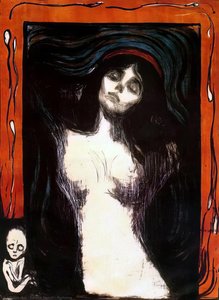
 XilogravuraExpressionism
 1905Modernismo
 40.0 x 54.0 cm
 Museu Munch
Óleo sobre tela pintado à mão no seu tamanho e moldura, feito sob encomenda pelos nossos artistas. ( Alternar para Impressão Alternar para Imagem)





























Escolha entre os nossos tamanhos pré-definidos que respeitam as proporções originais da obra de arte.

Pode inserir as suas próprias dimensões para se adequar a uma moldura ou espaço específico. Se o tamanho selecionado não corresponder às proporções da imagem original, iremos cortar a obra de arte ou estender a pintura com elementos adicionais pintados à mão. Um esboço digital será enviado para sua aprovação antes do início da produção.
Tenha em atenção que a pré-visualização no ecrã não reflete o corte ou extensão real. Apenas o esboço mostrará com precisão a composição final.
Embora tamanhos personalizados estejam disponíveis, recomendamos selecionar uma dimensão da lista predefinida para preservar as proporções originais.
Entrega mundial () em 3 a 4 semanas, em vez das 5 semanas padrão. (5 Agosto). Sem comprometer a qualidade.


Man! I Feel Like a Woman!
Tamanho da Reprodução
Edvard Munch, born in a farmhouse in the village of Ådalsbruk in Løten, Norway, was an artist whose work became synonymous with the anxieties and emotional turmoil of the modern age. His life, deeply marked by loss and a pervasive sense of melancholy, served as the wellspring for his profoundly expressive art. From a childhood shadowed by the early deaths of his mother and sister – both claimed by tuberculosis – Munch developed a haunting preoccupation with mortality, sickness, and the fragility of human existence. These experiences weren’t merely biographical details; they became the very core of his artistic vision, fueling a relentless exploration of the inner landscape of fear, grief, and longing. His father's strict religious beliefs and own struggles with mental illness further contributed to a sense of dread that permeated Munch’s world, shaping not only his personal life but also the symbolic language of his paintings. He wasn’t

Edvard Munch, nascido em 1863 no cenário austero da Noruega, foi um artista cuja obra se tornou sinônimo das ansiedades e turbulências emocionais da era moderna. Sua vida, profundamente marcada pela perda e por uma melancolia persistente, serviu como a fonte primordial de sua arte expressiva. Desde uma infância assombrada pelas mortes prematuras de sua mãe e irmã – ambas vítimas da tuberculose – Munch desenvolveu uma obsessão inquietante pela mortalidade, doença e fragilidade da existência humana. Essas experiências não eram meros detalhes biográficos; tornaram-se o núcleo de sua visão artística, alimentando uma exploração implacável do interior, dos medos, da dor e da saudade. A crença religiosa estrita de seu pai e suas próprias lutas contra a doença mental contribuíram para um sentimento de pavor que permeou o mundo de Munch, moldando não apenas sua vida pessoal, mas também a linguagem simbólica de suas pinturas. Ele não se limitava a retratar cenas; externalizava um estado interno, traduzindo angústia psicológica em forma visual.
A jornada artística de Munch começou com treinamento formal na Escola Real de Arte e Design em Kristiania (Oslo), mas foi seu encontro com os círculos boêmios e a filosofia niilista de Hans Jæger que realmente incendiou sua criatividade. Jæger incentivou Munch a abandonar os estilos acadêmicos convencionais e, em vez disso, mergulhar nas profundezas de sua própria experiência subjetiva, um conceito que ele chamou de “pintura da alma”. Essa mudança crucial marcou o início do estilo distinto de Munch – caracterizado por emoção crua, formas distorcidas e rejeição da representação naturalista. Suas viagens a Paris na década de 1890 o expuseram ao movimento pós-impressionista em ascensão, onde absorveu influências de artistas como Paul Gauguin, Vincent van Gogh e Henri de Toulouse-Lautrec. O uso ousado da cor, as pinceladas expressivas e a intensidade psicológica desses mestres ressoaram profundamente com as inclinações artísticas de Munch. Ele não estava simplesmente imitando suas técnicas; estava sintetizando-as em algo exclusivamente seu – uma linguagem visual capaz de transmitir as emoções humanas mais profundas e perturbadoras. Seu tempo em Berlim também se mostrou crucial, aproximando-o do dramaturgo August Strindberg, cuja exploração de temas psicológicos alimentou ainda mais suas investigações artísticas.
A obra de Munch é povoada por imagens que se tornaram profundamente arraigadas na consciência coletiva. O Grito, talvez sua obra mais icônica, transcende seu status de pintura para se tornar um símbolo universal da angústia existencial. A paisagem turbulenta e a face contorcida da figura incorporam um grito primal contra a indiferença do universo. Madonna, uma peça controversa e profundamente pessoal, explora temas de sexualidade, maternidade e mortalidade com uma franqueza inquietante. Motivos recorrentes como A Criança Doente – inspirada na perda de sua irmã Sophie – servem como lembretes pungentes do trauma da infância de Munch e do espectro sempre presente da morte. Melancolia I & II, representações poderosas de profunda tristeza e isolamento, revelam uma vulnerabilidade que é ao mesmo tempo profundamente pessoal e universalmente identificável. Essas obras não são meramente representações da realidade externa; são janelas para a alma do artista, oferecendo aos espectadores um vislumbre implacável dos cantos mais escuros da psique humana. Munch não tinha como objetivo criar imagens bonitas; ele buscou transmitir a verdade – mesmo que essa verdade fosse dolorosa e perturbadora.
A contribuição de Edvard Munch para a arte moderna é imensurável. Ele se destaca como uma figura fundamental no desenvolvimento do Expressionismo, abrindo caminho para artistas que priorizaram a emoção subjetiva sobre a representação objetiva. Sua exploração implacável de experiências humanas universais – amor, perda, ansiedade e morte – continua a ressoar com o público hoje, solidificando seu lugar como uma das figuras mais influentes e duradouras da história da arte. Seu trabalho impactou profundamente as gerações subsequentes de artistas, influenciando movimentos como o Expressionismo Alemão e além. Ele ousou confrontar os aspectos mais sombrios da condição humana, desafiando noções convencionais de beleza e representação artística. Mesmo após alcançar fama e reconhecimento – culminando na criação do Museu Munch em Oslo – sua vida pessoal permaneceu turbulenta, marcada por períodos de instabilidade mental e isolamento. No entanto, apesar de tudo, ele continuou a criar, deixando para trás um corpo de trabalho que continua a provocar, desafiar e inspirar. O legado de Munch não se resume apenas às pinturas em si; trata-se da coragem de confrontar as complexidades da existência humana e traduzir essas experiências em arte que fala às partes mais profundas do nosso ser.
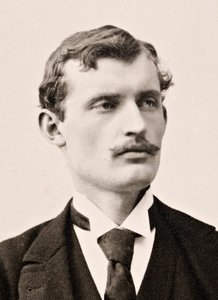
1863 - 1944 , Suécia

Descubra as 25 obras-primas de Edvard Munch, o mestre do expressionismo. Explore 'O Grito' e outras pinturas icônicas que capturam a alma humana com cores vibrantes e emoção intensa. Encontre reproduções de arte exclusivas e inspire sua decoração em Most-Famous-Paintings.com.
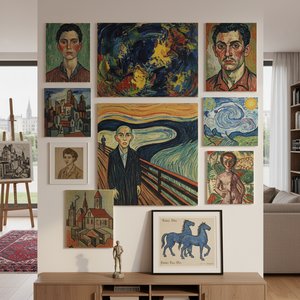
Descubra as 10 obras-primas do Expressionismo que revolucionaram a arte moderna! Explore a emoção, cores vibrantes e histórias de Munch, Kirchner, Kandinsky e outros artistas icônicos. Encontre reproduções de alta qualidade em Most-Famous-Paintings.com.

Explore the profound world of Edvard Munch, pioneer of Expressionism. Discover the origins of 'The Scream' & his haunting depictions of anxiety, mortality, and love. Expert analysis & high-quality reproductions at Most-Famous-Paintings.

Explore the raw emotion of Expressionism with Most-Famous-Paintings. Discover its history, key artists like Kirchner & Munch, and lasting influence on modern art. Expert insights for collectors & enthusiasts.
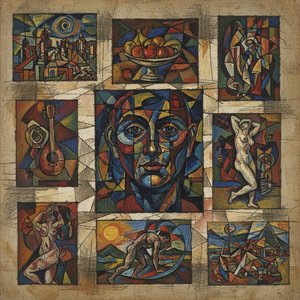
Descubra as 10 obras-primas do Cubismo Expressionista que revolucionaram a arte moderna! Explore Picasso, Braque e outros mestres. Reproduções de alta qualidade para decorar sua casa com estilo. Explore a coleção completa em Most-Famous-Paintings.com


Fique por dentro das últimas notícias de arte, ofertas exclusivas e ideias de decoração.
Conte-nos sobre o seu projeto e os nossos especialistas em arte fornecerão 3 sugestões de arte personalizadas.
Deixe que selecionamos 3 opções especialmente para você – Grátis!


 Compartilhar
 Compartilhar
 Detalhes

 Baixar imagem
 Semelhantes
 Apresentação de slides
 Ler mais







 A opção de vidro está disponível apenas para tamanhos inferiores a 110 cm