A Pioneer of Anglo-Saxon Art and Wood Engraving
Edward Montgomery O’Rorke Dickey, born July 1st, 1894, in Dublin, Ireland, emerged as a singular voice within the British art landscape of the early twentieth century. His artistic journey was profoundly shaped by his upbringing amidst the burgeoning Celtic Revival—a movement celebrating Irish heritage and folklore—which instilled in him an enduring fascination with ancient traditions and visual storytelling. This formative influence would become palpable throughout his oeuvre, informing both his meticulous wood engraving technique and his evocative oil paintings.
Dickey’s formal education commenced at Marlborough College, where he honed his artistic sensibilities alongside fellow pupils destined for prominent roles in British society. Subsequently, he pursued studies at Magdalene College Cambridge, specializing in Classics—a discipline that cultivated his analytical mind and instilled a deep appreciation for the intellectual rigor underpinning artistic expression. This grounding in scholarly pursuits would prove invaluable as he embarked upon his artistic career, shaping his approach to subject matter and stylistic considerations alike.
The Wood Engraving Craft
Dickey’s mastery of wood engraving distinguishes him as one of Britain's foremost practitioners. He embraced this medium with unwavering dedication, recognizing its capacity to convey intricate detail and tonal nuance—qualities paramount in capturing the spirit of historical subjects and literary texts. His process involved painstakingly preparing blocks of wood, meticulously transferring designs onto their surfaces, and applying pressure rollers to carve away unwanted material, resulting in stunningly precise prints. This painstaking technique demanded patience, precision, and a profound understanding of materials—attributes that reflected Dickey’s meticulous character and unwavering commitment to craftmanship.
Notable amongst his engravings were depictions of the Zulu War, where he captured the visceral drama of battle with remarkable realism. He undertook extensive fieldwork, sketching scenes of combat and interviewing soldiers—a process that necessitated both observational acuity and empathetic engagement. His prints powerfully conveyed the brutality of warfare while simultaneously honoring the courage and resilience of those involved. Furthermore, Dickey’s explorations into Anglo-Saxon monastic life yielded evocative images of serene churches and illuminated manuscripts, reflecting his fascination with medieval spirituality and architectural grandeur.
Notable Works & Artistic Style
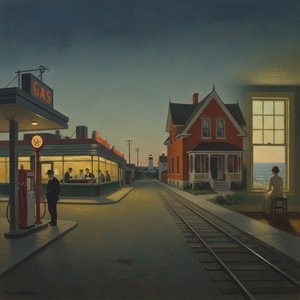
Dickey’s artistic style is characterized by a harmonious blend of realism and symbolic representation. He eschewed flamboyant ornamentation, favoring instead understated compositions that prioritized clarity of form and tonal harmony. Recurring motifs—such as Celtic spirals and stylized landscapes—served as visual anchors, subtly reinforcing thematic concerns related to heritage, spirituality, and the passage of time. His paintings captured not merely physical appearances but also conveying psychological depth and emotional resonance.
Dickey’s influence extended far beyond the confines of the British art world. He served as an inspiring mentor to younger artists—particularly those pursuing studies in graphic design and illustration—encouraging them to embrace traditional techniques while simultaneously exploring innovative approaches to visual communication. His unwavering advocacy for artistic education fostered a generation of creatives committed to preserving cultural heritage and promoting aesthetic appreciation. Today, Dickey’s work continues to resonate with audiences worldwide, serving as a poignant reminder of the enduring power of art to illuminate history, inspire contemplation, and enrich human experience.
Recognition & Artistic Achievements
Dickey received widespread acclaim for his artistic accomplishments—including numerous awards recognizing excellence in wood engraving and oil painting. He was honored by institutions such as the Royal Academy and the British Museum—organizations dedicated to safeguarding cultural treasures and fostering scholarly discourse. Furthermore, Dickey’s engravings were utilized extensively in educational publications—promoting visual literacy and cultivating an appreciation for Anglo-Saxon art history. His legacy endures as a beacon of artistic integrity and unwavering devotion to craftmanship.