x

 Acrylic On CanvasWallArtHigh Renaissance
 1503
1503 17.0 x 24.0 cm
Pictură în ulei pe pânză, realizată manual de artiștii noștri la dimensiunea și ramele dorite de dumneavoastră, pe comandă. ( Comandă printul Cumpără imaginea)





























Alegeți dintre dimensiunile noastre prestabilite, care respectă proporțiile originale ale operei de artă.

Puteți introduce propriile dimensiuni pentru a se potrivi unui anumit cadru sau spațiu. Dacă dimensiunea selectată nu corespunde proporțiilor imaginii originale, vom decupa opera de artă sau vom extinde pictura cu elemente suplimentare pictate manual. O simulare digitală vă va fi trimisă pentru aprobare înainte de începerea producției.
Vă rugăm să rețineți că previzualizarea de pe ecran nu reflectă decuparea sau extinderea reală. Doar macheta va arăta cu exactitate compoziția finală.
Deși sunt disponibile dimensiuni personalizate, vă recomandăm să selectați o dimensiune din lista predefinită pentru a păstra proporțiile originale.
Livrare în întreaga lume () în 3-4 săptămâni, în loc de cele 5 săptămâni standard. (19 August). Fără compromisuri în ceea ce privește calitatea.


Galloping Rider and other figures
Dimensiune reproducere
Leonardo da Vinci’s “Galloping Rider and other figures,” painted circa 1503 in Florence, isn't merely a depiction of a horse and rider; it’s a meticulously crafted study brimming with psychological depth, technical mastery, and the very essence of High Renaissance ideals. This captivating work, now housed within the collection of Most-Famous-Paintings, offers a rare glimpse into Leonardo’s artistic process – a dynamic sketch that reveals his fascination with movement, anatomy, and the subtle interplay of light and shadow. The painting itself is relatively small, measuring just 17 x 24 centimeters (approximately 6 ¾ x 9 inches), yet it explodes with energy and narrative complexity.
The central figure, a man astride a magnificent horse, dominates the composition, his posture conveying both power and poised grace. He’s not a triumphant warrior in full armor, but rather a gentleman of action, suggesting a refined nobility. Around him swirl other figures – a soldier, a dog, and what appears to be a young boy – creating a dynamic tableau that hints at a larger scene unfolding beyond the immediate frame. The background is deliberately vague, rendered with broad strokes of chalk, emphasizing the foreground subjects and drawing the viewer’s eye directly into the heart of the action.
Leonardo's genius lies not just in his ability to capture a likeness but in his profound understanding of human anatomy and movement. The rider’s musculature is rendered with astonishing accuracy, evident in the subtle curves of his body as he guides the horse forward. The horse itself is equally impressive, its powerful legs and flowing mane meticulously observed and translated onto the chalk surface. Notice how Leonardo uses overlapping lines to create a sense of depth and volume – a technique that anticipates later developments in perspective drawing.
The painting’s execution showcases Leonardo's innovative approach to chalk drawing. Unlike traditional oil paints, chalk offered a remarkable degree of immediacy and spontaneity. Leonardo favored this medium for its ability to capture fleeting moments and experiment with loose, expressive lines. The texture of the chalk itself contributes significantly to the work’s visual impact, creating a sense of surface interest and tactile quality. It's a testament to his willingness to push boundaries and explore new artistic possibilities.
“Galloping Rider” is more than just a study in movement; it’s imbued with symbolic meaning reflective of the Renaissance fascination with classical antiquity and humanist ideals. The rider's posture, reminiscent of Roman equestrian statues, evokes notions of leadership, courage, and civic virtue. The presence of the dog could symbolize loyalty and companionship, while the young boy might represent innocence or a future generation.
Furthermore, the painting embodies the Renaissance spirit of *uomo universale* – the ideal of the “universal man” who excelled in multiple disciplines. Leonardo himself exemplified this concept, seamlessly blending art, science, engineering, and anatomy in his work. “Galloping Rider” is a microcosm of that intellectual curiosity, demonstrating his meticulous observation of the natural world and his desire to understand its underlying principles.
Reproductions of “Galloping Rider and other figures” by Most-Famous-Paintings capture the essence of Leonardo’s original sketch with stunning fidelity. Whether you're an art enthusiast, a collector seeking to enrich your collection, or an interior designer looking for a captivating piece to elevate your space, this artwork offers a unique opportunity to own a fragment of Renaissance history. The dynamic composition and evocative symbolism make it a timeless addition to any home or gallery – a testament to the enduring genius of Leonardo da Vinci.

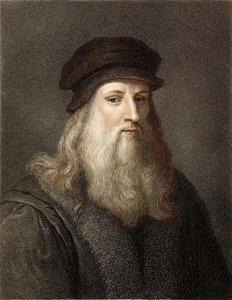
1452 - 1519 , Italia

Explore the profound genius of the Renaissance Trinity. Delve into a comparative study of Leonardo da Vinci, Michelangelo, and Raphael, uncovering their unique contributions to art history, technique, and the enduring legacy of Italian High Renaissance mastery.


Rămâneți la curent cu cele mai recente știri din lumea artei, ofertele noastre exclusive și ideile de decor.
Spuneți-ne despre proiectul dumneavoastră, iar experții noștri în artă vă vor oferi 3 sugestii personalizate.
Vom selecta 3 opțiuni special pentru tine – Gratuit!


 Previzualizare
 Trimite
 Distribuie
 Detalii despre lucrare

 Descarcă
 Produse similare
 Radiografie
 Diapozitive automate
 Vezi mai mult







 Opțiunea cu sticlă este disponibilă doar pentru dimensiuni de sub 110 cm