x

Pictură în ulei pe pânză, realizată manual de artiștii noștri la dimensiunea și ramele dorite de dumneavoastră, pe comandă. ( Comandă printul Cumpără imaginea)





























Alegeți dintre dimensiunile noastre prestabilite, care respectă proporțiile originale ale operei de artă.

Puteți introduce propriile dimensiuni pentru a se potrivi unui anumit cadru sau spațiu. Dacă dimensiunea selectată nu corespunde proporțiilor imaginii originale, vom decupa opera de artă sau vom extinde pictura cu elemente suplimentare pictate manual. O simulare digitală vă va fi trimisă pentru aprobare înainte de începerea producției.
Vă rugăm să rețineți că previzualizarea de pe ecran nu reflectă decuparea sau extinderea reală. Doar macheta va arăta cu exactitate compoziția finală.
Deși sunt disponibile dimensiuni personalizate, vă recomandăm să selectați o dimensiune din lista predefinită pentru a păstra proporțiile originale.
Livrare în întreaga lume () în 3-4 săptămâni, în loc de cele 5 săptămâni standard. (19 August). Fără compromisuri în ceea ce privește calitatea.


Virgen cu Pruncul și Doisprezece Îngeri
Dimensiune reproducere
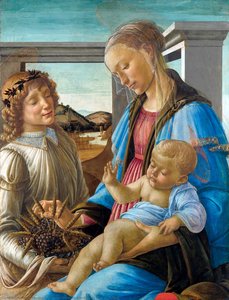
The year is 1465, Florence pulses with an unprecedented creative energy – the dawn of the High Renaissance. Amidst this blossoming artistic landscape emerges Sandro Botticelli, a painter destined to capture the very essence of humanism and spiritual devotion in his iconic works. Among his most cherished creations stands “The Virgin and Child with Two Angels and the Young St John the Baptist,” a tondo measuring just over 85 by 62 centimeters, currently residing within the hallowed halls of the Galleria dell’Accademia in Florence. More than simply a depiction of religious figures, this painting is a profound meditation on motherhood, faith, and the promise of salvation – a testament to Botticelli's unique artistic vision.
At first glance, the composition appears remarkably serene, yet upon closer inspection, it reveals a complex tapestry of symbolic meaning. Botticelli masterfully arranges the figures within a carefully constructed pyramidal structure, drawing the viewer’s eye towards the central focus – the Virgin Mary cradling the Christ Child. Her posture exudes regal dignity, accentuated by the delicate halo that signifies her divine status as Queen of Heaven. Flanking this sacred trio are two exquisitely rendered angels, their presence not merely decorative but imbued with profound spiritual significance; they represent messengers of God, bearing witness to the miraculous event unfolding before them. Crucially, Botticelli introduces the youthful St John the Baptist, a figure radiating an air of quiet contemplation and prophetic wisdom. His humble attire – a stark contrast to the Virgin’s splendor – foreshadows his future role as Christ's precursor, a herald of the coming Messiah. The careful placement of each element speaks volumes about Botticelli’s understanding of Renaissance iconography.
“The Virgin and Child” exemplifies Botticelli's distinctive artistic style, a harmonious blend of late Gothic elegance and the burgeoning realism characteristic of the Renaissance. Executed in tempera on panel – a technique prized for its luminous colors and meticulous detail – the painting showcases Botticelli’s remarkable skill in rendering human form. The figures possess an idealized beauty, reflecting the classical influences that were increasingly shaping Florentine art during this period. However, Botticelli doesn't simply mimic antiquity; he infuses it with a distinctly Christian sensibility, creating a unique artistic language that would define his oeuvre. Noticeably, the painting employs a relatively shallow perspective, prioritizing clarity and symbolic representation over strict adherence to linear depth – a common feature of Renaissance art at this time. The muted blue background serves not as a distraction but rather as a subtle backdrop, enhancing the luminosity of the figures themselves.
Created during a period of immense artistic and political dynamism in Florence – an era dominated by the powerful Medici family – “The Virgin and Child” reflects the city’s vibrant intellectual and cultural atmosphere. Botticelli, deeply embedded within this creative ecosystem, absorbed classical influences while forging his own distinctive style. The painting's creation coincided with a shift towards humanism, emphasizing the value of earthly life and individual experience alongside religious devotion. Beyond its technical brilliance and historical significance, the artwork evokes a profound sense of peace, piety, and maternal tenderness. The gentle expressions on the faces of Mary and the Christ Child invite contemplation and inspire reverence – a testament to Botticelli’s ability to capture the essence of human emotion within a sacred context. For interior designers seeking to infuse their spaces with timeless elegance and spiritual depth, this artwork offers a captivating focal point, its serene palette and harmonious composition creating an atmosphere of tranquility.
A high-quality reproduction allows you to bring this Renaissance masterpiece into your home, enriching your surroundings with beauty, history, and the enduring legacy of Sandro Botticelli.

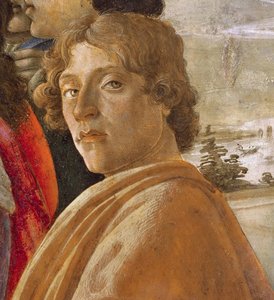
1445 - 1510 , Italia
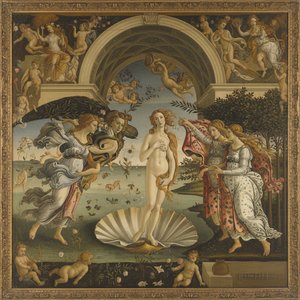
Descoperă cele mai frumoase 25 de capodopere ale lui Sandro Botticelli! Explorează istoria, simbolismul și frumusețea picturilor renascentiste precum 'Nașterea lui Venus' și 'Primăvara'. Găsește reproducerea perfectă pentru decorul casei tale pe Most-Famous-Paintings.com.
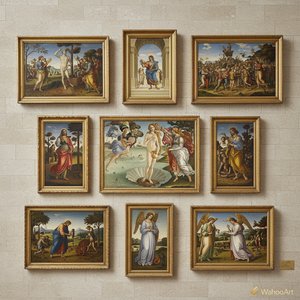
Descoperă 10 capodopere renascentiste esențiale – Botticelli, Leonardo da Vinci și Rafael! Explorează istoria artei, tehnicile artistice și simbolismul picturilor. Reproduceri de lux pentru decor interior pe Most-Famous-Paintings.com.

Descoperă top 25 de capodopere renascentiste din Galleria degli Uffizi, Florența! Explorează poveștile lui Botticelli, Leonardo da Vinci și Rafael. Reproduceri artă de calitate muzeală pentru decorațiuni interioare unice pe Most-Famous-Paintings.com
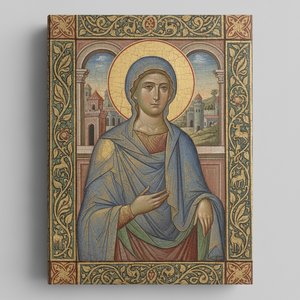
Descoperă 10 capodopere legendare în tempera pe panou! Explorează Giotto, Botticelli și Jan van Eyck – poveștile artei medievale și renascentiste. Reproduceri de artă de calitate muzeală pentru un decor interior rafinat. Explorează colecția completă online pe Most-Famous-Paintings.com

Explore the rich history & techniques of tempera painting! Discover Renaissance masters like Botticelli & Fra Angelico, conservation insights, and the enduring legacy of this captivating art form. Learn more now!


Rămâneți la curent cu cele mai recente știri din lumea artei, ofertele noastre exclusive și ideile de decor.
Spuneți-ne despre proiectul dumneavoastră, iar experții noștri în artă vă vor oferi 3 sugestii personalizate.
Vom selecta 3 opțiuni special pentru tine – Gratuit!


 Previzualizare
 Trimite
 Distribuie
 Detalii despre lucrare

 Descarcă
 Produse similare
 Radiografie
 Diapozitive automate


 Vezi mai mult







 Opțiunea cu sticlă este disponibilă doar pentru dimensiuni de sub 110 cm