


x

Pictură în ulei pe pânză, realizată manual de artiștii noștri la dimensiunea și ramele dorite de dumneavoastră, pe comandă. ( Comandă printul Cumpără imaginea)





























Alegeți dintre dimensiunile noastre prestabilite, care respectă proporțiile originale ale operei de artă.

Puteți introduce propriile dimensiuni pentru a se potrivi unui anumit cadru sau spațiu. Dacă dimensiunea selectată nu corespunde proporțiilor imaginii originale, vom decupa opera de artă sau vom extinde pictura cu elemente suplimentare pictate manual. O simulare digitală vă va fi trimisă pentru aprobare înainte de începerea producției.
Vă rugăm să rețineți că previzualizarea de pe ecran nu reflectă decuparea sau extinderea reală. Doar macheta va arăta cu exactitate compoziția finală.
Deși sunt disponibile dimensiuni personalizate, vă recomandăm să selectați o dimensiune din lista predefinită pentru a păstra proporțiile originale.
Livrare în întreaga lume () în 3-4 săptămâni, în loc de cele 5 săptămâni standard. (22 August). Fără compromisuri în ceea ce privește calitatea.


Triumphs of Caeser (scene 3)
Dimensiune reproducere
The scene unfolds against a backdrop that immediately establishes its Roman pedigree. Mantegna doesn’t merely paint soldiers; he conjures an entire world, drawing heavily on his deep fascination with classical antiquity. The architecture is unmistakably Roman – arches, columns, and monumental structures frame the procession, grounding it firmly in the past while simultaneously elevating it to a timeless ideal of imperial grandeur. The figures themselves are rendered with a sculptural quality, reminiscent of Donatello’s bronze sculptures, their forms weighty and deliberate, imbued with a sense of dignified power. Mantegna's use of *trompe-l'oeil* is particularly striking; the illusionistic depth creates a convincing sense of space, drawing the viewer into the heart of the event.
What immediately draws the eye is Mantegna’s unparalleled command of perspective. He employs a sophisticated system of aerial perspective – subtly shifting colors and details to create an illusion of distance – that adds incredible realism to the scene. The foreground figures are rendered with sharp clarity, while those in the background fade into a hazy blue, conveying a palpable sense of depth. This masterful manipulation of space is further enhanced by his use of *chiaroscuro*, the dramatic interplay of light and shadow, which sculpts the forms of the soldiers and adds volume to the objects within the procession. The meticulous detail evident in every armor plate, every scroll, and every expression on a soldier’s face speaks volumes about Mantegna's dedication to accuracy and his profound understanding of his subject matter.
The composition itself is carefully orchestrated. Mantegna utilizes a pyramidal structure, with Caesar seated prominently at the apex, radiating authority and control. The procession flows outwards from him in a deliberate, almost theatrical manner, guiding the viewer’s eye through the scene. Notice how he groups figures strategically – clusters of soldiers bearing trophies, ornate containers overflowing with gold coins, and even exotic animals like elephants and horses—each element contributing to the overall narrative of triumph.
Beyond its visual splendor, “Triumphs of Caesar” is rich in symbolism. The abundance of trophies – weapons, shields, and captured standards – represents not only military success but also the spoils of war and the wealth acquired through conquest. The golden coins, prominently displayed within a large vessel, symbolize the economic power of Rome. The presence of exotic animals—a testament to Caesar’s far-reaching campaigns—underscores his dominion over vast territories. Even the expressions on the soldiers' faces convey a complex mix of pride, exhaustion, and perhaps even a hint of melancholy – acknowledging the human cost of victory.
Painted during the High Renaissance, “Triumphs of Caesar” reflects the era’s renewed interest in classical antiquity. Mantegna's work stands as a testament to the humanist ideals that characterized the period – a celebration of human achievement, military prowess, and the enduring legacy of Rome. His meticulous research and artistic skill profoundly influenced subsequent generations of painters, paving the way for advancements in perspective and composition. The painting’s influence can be seen in works by Titian, Veronese, and countless others who sought to emulate Mantegna's mastery of form and color.
Today, “Triumphs of Caesar (Scene 3)” resides within the Museo Civico Medievale Bologna, Italy, offering a unique opportunity for art enthusiasts to experience this remarkable masterpiece firsthand. Whether you’re an avid collector, an interior designer seeking inspiration, or simply someone who appreciates the beauty and power of Renaissance art, this painting remains a timeless testament to human creativity and ambition.
The painting is a depiction of ancient Roman soldiers in various positions, some standing while others are sitting or kneeling. The scene appears to be set on a battlefield with several horses scattered throughout the area. There are also numerous swords and shields visible among the soldiers, indicating that they are well-equipped for warfare. In addition to the soldiers and horses, there is a group of people standing in front of a large pile of armor, which includes various types of weapons such as swords, spears, and shields. The painting captures the essence of ancient Roman life and military culture with its detailed portrayal of warriors and their equipment.
The scene unfolds against a backdrop that immediately establishes its Roman pedigree. Mantegna doesn’t merely paint soldiers; he conjures an entire world, drawing heavily on his deep fascination with classical antiquity. The architecture is unmistakably Roman – arches, columns, and monumental structures frame the procession, grounding it firmly in the past while simultaneously elevating it to a timeless ideal of imperial grandeur. The figures themselves are rendered with a sculptural quality, reminiscent of Donatello’s bronze sculptures, their forms weighty and deliberate, imbued with a sense of dignified power.
Mantegna's use of *trompe-l'oeil* is particularly striking; the illusionistic depth creates a convincing sense of space, drawing the viewer into the heart of the event. The meticulous detail evident in every armor plate, every scroll, and every expression on a soldier’s face speaks volumes about Mantegna’s dedication to accuracy and his profound understanding of his subject matter.
The composition itself is carefully orchestrated. Mantegna utilizes a pyramidal structure, with Caesar seated prominently at the apex, radiating authority and control. The procession flows outwards from him in a deliberate, almost theatrical manner, guiding the viewer’s eye through the scene. Notice how he groups figures strategically – clusters of soldiers bearing trophies, ornate containers overflowing with gold coins, and even exotic animals like elephants and horses—each element contributing to the overall narrative of triumph.
The painting shows trophies and bearers of containers filled with booty – composed of a towering assembly of captured weapons and armour. His gaze looks out toward the viewer, drawing them into the scene. A crescent-shaped shield dangles in front of him, elaborately decorated with a group of mythological figures in relief. At the right of the composition, other figures shoulder precious vessels on a wooden stretcher, including a shiny metal bowl heaped with golden coins, attesting to the riches of the spoils of war captured by the Roman troops during Caesar’s Gallic wars.
The painting is visually distinct and shocking. Herbert von Einem called it “almost spooky” in its depiction of 'a horrendously distorted corpse' confined in a narrow space. There is little contact between the mourners and the body. Rich contrasts of light and shadow abound, its dark, monochromatic browns infusing the image with a profound sense of pathos. The sculptural quality of the figures contributes to the dramatic effect.
The painting captures the essence of ancient Roman life and military culture with its detailed portrayal of warriors and their equipment.

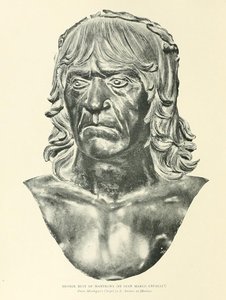
1431 - 1506 , Italia

Explore the profound mastery of Rembrandt's chiaroscuro technique. Discover how this Dutch Golden Age master used dramatic light and shadow to capture the human soul through iconic Baroque masterpieces.


Rămâneți la curent cu cele mai recente știri din lumea artei, ofertele noastre exclusive și ideile de decor.
Spuneți-ne despre proiectul dumneavoastră, iar experții noștri în artă vă vor oferi 3 sugestii personalizate.
Vom selecta 3 opțiuni special pentru tine – Gratuit!


 Previzualizare
 Trimite
 Distribuie
 Detalii despre lucrare

 Descarcă
 Produse similare
 Radiografie
 Diapozitive automate

 Vezi mai mult







 Opțiunea cu sticlă este disponibilă doar pentru dimensiuni de sub 110 cm


