


x

 Acrilic pe pânzăArtă muralăBaroque Landscape
 49.0 x 64.0 cm
 Galeria Națională din Praga
Pictură în ulei pe pânză, realizată manual de artiștii noștri la dimensiunea și ramele dorite de dumneavoastră, pe comandă. ( Comandă versiunea tipărită Comută la imagine)





























Alegeți dintre dimensiunile noastre prestabilite, care respectă proporțiile originale ale operei de artă.

Puteți introduce propriile dimensiuni pentru a se potrivi unui anumit cadru sau spațiu. Dacă dimensiunea selectată nu corespunde proporțiilor imaginii originale, vom decupa opera de artă sau vom extinde pictura cu elemente suplimentare pictate manual. O simulare digitală vă va fi trimisă pentru aprobare înainte de începerea producției.
Vă rugăm să rețineți că previzualizarea de pe ecran nu reflectă decuparea sau extinderea reală. Doar macheta va arăta cu exactitate compoziția finală.
Deși sunt disponibile dimensiuni personalizate, vă recomandăm să selectați o dimensiune din lista predefinită pentru a păstra proporțiile originale.
Livrare în întreaga lume () în 3-4 săptămâni, în loc de cele 5 săptămâni standard. (8 August). Fără compromisuri în ceea ce privește calitatea.


Peisaj cu Diana primind capul unui căprior
Dimensiune reproducere
Hendrik Goltzius (1589–1626), a luminary of the late Mannerist and nascent Baroque movements in Northern European art, stands as an artist who seamlessly blended classical influences with dynamic expression. Born in Zwolle, Netherlands, his formative years were spent honing his craft under Domenico Fetti’s tutelage in Rome—a period that instilled within him a profound appreciation for color palettes reminiscent of Rubens and Coninxloo, artists whose bold compositions would later inspire Goltzius himself.
His oeuvre predominantly flourished in Amsterdam, reflecting the vibrant artistic dialogues unfolding across Europe. This cosmopolitan environment fostered an intellectual curiosity that propelled him to explore stylistic boundaries, resulting in paintings characterized by meticulous detail—particularly evident in his depictions of wooded landscapes—and imbued with a palpable sense of serenity alongside moments of dramatic tension.
Goltzius’s mastery lay not merely in capturing visual beauty but in executing it with unparalleled precision. He employed a technique rooted in disegno, the Italian concept of drawing—a cornerstone of Mannerist aesthetics—to achieve astonishing realism. Observe the painstaking rendering of foliage, bark textures, and subtle tonal variations; these elements coalesce into a harmonious whole guided by geometric principles reminiscent of Andrea Commodi’s work.
The composition itself is equally deliberate. Goltzius skillfully arranges figures within the landscape—a woman armed with bow and arrow—creating a visual narrative that speaks to themes of hunting, observation, and perhaps even contemplation. The inclusion of two dogs adds an element of spontaneity and vitality, anchoring the scene amidst the grandeur of nature.
Beyond its aesthetic merits, “Landscape with Diana Receiving the Head of a Boar” resonates with symbolic significance. Diana, Roman goddess of hunting and chastity, embodies ideals of nobility and virtue—qualities celebrated throughout Renaissance and Baroque art. The boar’s head symbolizes strength and resilience, juxtaposed against Diana's gracefulness.
Furthermore, the depiction of a boat gliding across water introduces an element of tranquility and reflection. Water motifs frequently appeared in Northern European landscapes, symbolizing purity, transformation, and connection to divine realms—a subtle yet powerful reminder of the spiritual dimension inherent in Goltzius’s artistic vision.
Goltzius's work owes considerable debt to artists like Ludovico Cigoli and Rubens. His engravings, particularly those inspired by Rubens’s monumental canvases, demonstrate a masterful understanding of chiaroscuro—the dramatic interplay of light and shadow—a technique that elevates the painting beyond mere representation.
Today, “Landscape with Diana Receiving the Head of a Boar” remains a testament to Goltzius's artistic genius. Its meticulous detail, harmonious composition, and evocative symbolism continue to captivate viewers, securing its place as an enduring masterpiece of Mannerist art—a timeless exploration of beauty and contemplation.


1589 - 1626 , Belgium
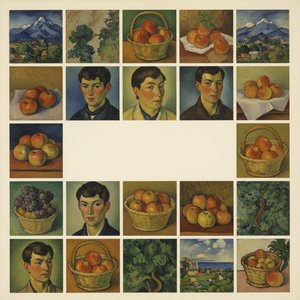
Descoperă cele mai frumoase 25 de capodopere Paul Cézanne! Explorează istoria, tehnicile și semnificația picturilor impresioniste iconice. Reproduceri artă de calitate muzeală & inspirație decor interioară pe Most-Famous-Paintings.com.

Descoperă cele mai frumoase lucrări Claude Monet – o călătorie prin impresionism, nufăr și peisaje iconice. Află povestea fiecărui tablou și adu atmosfera artistică în casa ta cu reproduceri de calitate superioară pe Most-Famous-Paintings.com!
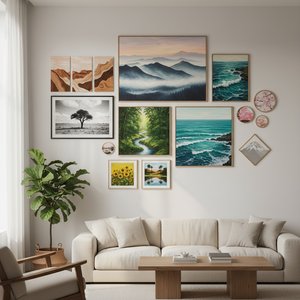
Descoperă top 10 capodopere artistice cu peisaje, de la Monet și Van Gogh la picturi impresioniste. Află poveștile din spatele fiecărei opere și găsește inspirație pentru decorul casei tale! Reproduceri tablouri de calitate superioară pe Most-Famous-Paintings.com.
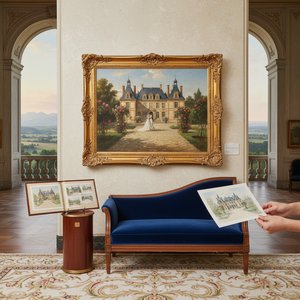
Imortalizați ziua nunții voastre cu o pictură personalizată unică! Artiști talentați, stiluri diverse și calitate superioară. Creați amintiri eterne!
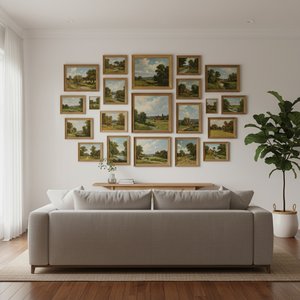
Descoperă cele mai frumoase 25 de picturi ale lui John Constable, maestru al peisajului englezesc! Explorează stilul romantic, Dedham Vale și capodopere precum The Hay Wain. Reproduceri artă clasică pentru decorul casei tale – Most-Famous-Paintings.com.


Rămâneți la curent cu cele mai recente știri din lumea artei, ofertele noastre exclusive și ideile de decor.
Spuneți-ne despre proiectul dumneavoastră, iar experții noștri în artă vă vor oferi 3 sugestii personalizate.
Vom selecta 3 opțiuni special pentru tine – Gratuit!


 Previzualizare
 Trimite
 Distribuie
 Detalii despre lucrare

 Descarcă
 Produse similare
 Radiografie
 Diapozitive automate
 Vezi mai mult







 Opțiunea cu sticlă este disponibilă doar pentru dimensiuni de sub 110 cm


