x

Pictură în ulei pe pânză, pictată manual, la dimensiunea și ramele dorite de dumneavoastră, realizată la comandă de artiștii noștri. ( Comandă versiunea tipărită Comută la imagine)





























Alegeți dintre dimensiunile noastre prestabilite, care respectă proporțiile originale ale operei de artă.

Puteți introduce propriile dimensiuni pentru a se potrivi unui anumit cadru sau spațiu. Dacă dimensiunea selectată nu corespunde proporțiilor imaginii originale, vom decupa opera de artă sau vom extinde pictura cu elemente suplimentare pictate manual. O simulare digitală vă va fi trimisă pentru aprobare înainte de începerea producției.
Vă rugăm să rețineți că previzualizarea de pe ecran nu reflectă decuparea sau extinderea reală. Doar macheta va arăta cu exactitate compoziția finală.
Deși sunt disponibile dimensiuni personalizate, vă recomandăm să selectați o dimensiune din lista predefinită pentru a păstra proporțiile originale.
Livrare în întreaga lume () în 3-4 săptămâni, în loc de cele 5 săptămâni standard. (6 August). Fără compromisuri în ceea ce privește calitatea.


Autor: Vincent Willem van Gogh Stil artistic: Expresiv, emoțional Dimensiuni: Necunoscută Influențe: Impresionism, Mișcare: Post-impresionism Locație: Musée d’Orsay, Paris Mediu: Pictură pe pânză ulei Tema: Autoportret Titulat: Self Portrait (11) Anul: 18
Dimensiuni reproducere
Vincent van Gogh's "Self Portrait (11)," painted in 1887, isn’t merely a depiction of an artist; it’s a raw and intensely personal exploration of the human condition. Housed within the esteemed Musée d’Orsay in Paris, this oil-on-canvas masterpiece stands as a pivotal work in Van Gogh’s oeuvre, offering a profound glimpse into his turbulent inner world during a formative period of his artistic development. The painting immediately commands attention with its striking contrast – a dark blue background serving as a dramatic stage for the artist's face, illuminated by subtle highlights that capture the intensity of his gaze. It’s a visual embodiment of Van Gogh’s belief that art could transcend mere representation, becoming a conduit for conveying deeper emotions and psychological states.
Van Gogh’s artistic journey in 1887 was deeply influenced by the burgeoning Impressionist movement, yet he swiftly moved beyond its purely observational approach. He embraced elements of Expressionism, injecting his work with an unprecedented level of emotional intensity. The bold brushstrokes, thick and textured, are characteristic of this post-impressionistic style – a deliberate departure from the smoother techniques favored by earlier generations. These aren’t delicate strokes; they're assertive declarations, conveying a sense of urgency and raw feeling. The palette itself is carefully considered: somber blues and greens dominate, reflecting a mood that hints at introspection and perhaps even melancholy, yet punctuated with vibrant reds and yellows within the beard and eyes – colors that seem to burn with an inner light.
Close examination reveals a remarkable level of detail in Van Gogh’s self-portrait. The artist meticulously renders his features, particularly his distinctive beard and mustache, which have become iconic symbols of his identity. However, it's not the precise anatomical accuracy that captivates; rather, it’s the way these elements are imbued with emotion. The directness of his gaze is unnerving – he seems to be looking *through* you, inviting a silent conversation across time and space. The slight furrow in his brow suggests a contemplative state, while the subtle tension around his eyes hints at an underlying vulnerability. This isn’t a celebratory portrait; it's a vulnerable confession.
The background, a deep, almost impenetrable blue, is crucial to the painting’s impact. It serves not as a neutral space but as a psychological void – a reflection of Van Gogh’s own internal struggles and isolation. The limited use of light creates a sense of drama and emphasizes the subject's presence. Interestingly, photographic evidence suggests that Van Gogh experimented with color layering, adding another layer of complexity to this already emotionally charged work.
Despite rejecting Impressionism’s detached observation, Van Gogh absorbed its foundational principles – particularly the use of broken color and atmospheric perspective. Yet, he decisively pushed beyond these boundaries, forging his own path toward Expressionism. This stylistic choice prioritized conveying inner feelings over depicting external reality, resulting in a painting that vibrates with palpable emotion.
The thick impasto technique—applying paint thickly onto the canvas—is paramount to achieving this expressive effect. Each brushstroke is visible and contributes to the overall texture of the artwork, mirroring the artist’s turbulent emotional state. The deliberate roughness of the surface underscores Van Gogh's rejection of academic conventions and his commitment to capturing the immediacy of experience.
"Self Portrait (11)" remains a cornerstone of modern art history—a testament to Van Gogh’s revolutionary approach to artistic representation. Its enduring fascination stems from its ability to resonate with viewers on a visceral level, prompting contemplation about identity, vulnerability, and the transformative power of emotion.
Reproductions of “Self Portrait (11)” are highly sought after by collectors and interior designers alike—capturing not only the visual details but also the emotional intensity of the original. For those seeking to infuse their spaces with inspiration and artistic grandeur, consider commissioning a bespoke hand-painted reproduction from Most-Famous-Paintings (Vincent Van Gogh: Self Portrait (11)) – allowing you to experience Van Gogh’s profound vision firsthand.


1853 - 1890 , Olanda
Descoperă cele mai frumoase 25 de tablouri Vincent van Gogh! Explorează istoria, emoția și tehnicile artistului impresionist. Reproduceri de artă de calitate muzeală pentru decorațiuni interioare excepționale pe Most-Famous-Paintings.com.
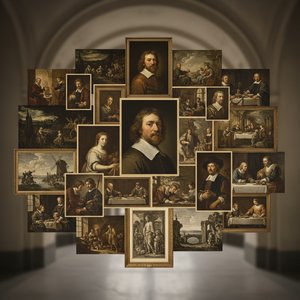
Descoperă cele mai frumoase 25 de picturi ale lui Rembrandt van Rijn! Explorează capodopere baroce, portrete emoționante și peisaje iconice. Reproduceri de artă de calitate muzeală pentru un design interior rafinat. Descoperă toate operele pe Most-Famous-Paintings.com!

Descoperă top 25 de capodopere din Metropolitan Museum of Art, New York! Explorează poveștile lui Monet, Van Gogh și Rembrandt. Găsește inspirație pentru decorul casei tale cu reproduceri artă de calitate muzeală pe Most-Famous-Paintings.com.
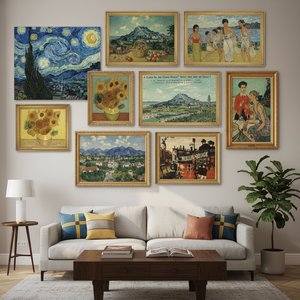
Descoperă Top 10 capodopere post-impresioniste de la Van Gogh, Monet, Cézanne și alții! Explorează istoria artei moderne, tehnicile unice și culorile vibrante. Reproduceri tablouri de calitate muzeală pe Most-Famous-Paintings.com
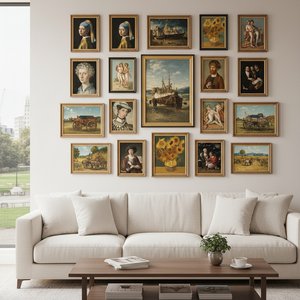
Descoperă cele mai iconice 25 de picturi din National Gallery Londra! Explorează poveștile lui Van Gogh, Monet, Da Vinci și Rembrandt. Găsește inspirație pentru decorul casei tale cu reproduceri de artă de calitate muzeală pe Most-Famous-Paintings.com.


Rămâneți la curent cu cele mai recente știri din lumea artei, ofertele noastre exclusive și ideile de decor.
Spuneți-ne despre proiectul dumneavoastră, iar experții noștri în artă vă vor oferi 3 sugestii personalizate.
Vom selecta 3 opțiuni special pentru tine – Gratuit!


 Vezi în context
 Trimite prin felicitare
 Distribuie
 Detalii

 Descarcă imaginea
 Produse similare
 Radiografie
 Galerie foto


 Citește mai mult







 Opțiunea cu sticlă este disponibilă doar pentru dimensiuni sub 110 cm