Vinde opere de artă
Lista de dorințe Coș de cumpărături Cart
PrevizualizarePrevizualizare Previzualizare ARPrevizualizare AR Comandă printul Comandă printulCumpără imaginea Cumpără imaginea TrimiteTrimite
Detalii despre lucrareDetalii despre lucrare Adaugă la favorite Adaugă la favorite DescarcăDescarcă Produse similareProduse similare RadiografieRadiografie Diapozitive automateDiapozitive automate

Autorizat

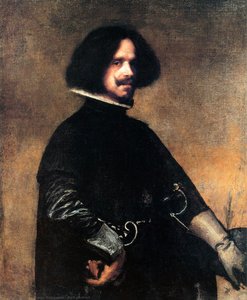
Descoperă Autorizat de Zacarías González Velázquez, o operă emblematică a Barocului spaniol caracterizată prin realism impresionant și iluminare dramatică. Admira detalii fascinante în această reproducere atent realizată.

Explore the portraits & religious works of Zacarías González Velázquez, a Spanish painter from Madrid’s artistic family. Discover his royal commissions & academic career.

Reproducere pictată manual în ulei

Pictură în ulei pe pânză, realizată manual de artiștii noștri la dimensiunea și ramele dorite de dumneavoastră, pe comandă. (Comandă printul Comandă printulCumpără imaginea Cumpără imaginea)

P118B $10
P118H $10
P118W $10
P438Z $10
P508JH $12
P508YH $12
P805H $10
P805Z $10
P919BZ $10
P919G $10
P919XJ $10
P959ZH $10
P968JZ $12
W106C $8
W218G $10
W218JH $8
W218Y $10
W307PJ $10
W316G $10
W316PJ $8
W316Y $10
W398PJ $8
W4111J $10
W500HY $15
W500JH $15
W692G $12
W849H $8
W940BG $15
W953PJ $8

Standard
custom
CM
INCH

Alegeți dintre dimensiunile noastre prestabilite, care respectă proporțiile originale ale operei de artă.

lățime
înălțime

Puteți introduce propriile dimensiuni pentru a se potrivi unui anumit cadru sau spațiu. Dacă dimensiunea selectată nu corespunde proporțiilor imaginii originale, vom decupa opera de artă sau vom extinde pictura cu elemente suplimentare pictate manual. O simulare digitală vă va fi trimisă pentru aprobare înainte de începerea producției.
Vă rugăm să rețineți că previzualizarea de pe ecran nu reflectă decuparea sau extinderea reală. Doar macheta va arăta cu exactitate compoziția finală.
Deși sunt disponibile dimensiuni personalizate, vă recomandăm să selectați o dimensiune din lista predefinită pentru a păstra proporțiile originale.

Exemple de elemente ce pot fi personalizate: Înlocuiți fața cu fotografia clientului; Adăugați un animal de companie (de exemplu, înlocuiți pisica cu un câine); Includeți un mesaj ascuns în fundal; Schimbați peisajul sau elementele din fundal.
După plasarea comenzii, echipa Most-Famous-Paintings.com va contacta clientul prin e-mail pentru instrucțiuni și îi va furniza o previzualizare a machetei

Livrare în întreaga lume () în 3-4 săptămâni, în loc de cele 5 săptămâni standard. (16 August). Fără compromisuri în ceea ce privește calitatea.

why_choose_icon
Livrare expres gratuită la nivel mondial
why_choose_icon
Pânză de in de înaltă calitate
why_choose_icon
Asigurare completă pentru transport
why_choose_icon
Garanție de rambursare a taxelor vamale
why_choose_icon
Garanția fidelității culorilor
why_choose_icon
Politica de retur în 60 de zile (doar pentru defecte)
why_choose_icon
Garanție de rambursare 100%
why_choose_icon
Ofertă pentru comenzi multiple

Preț total

$ 272

reproduction

Autorizat

Tehnică de reproducere

Dimensiune reproducere

-

Preț total calculat

$ 272

Informații rapide

  • Subject or theme: Self-Representation
  • Artist: Zacarías González Velázquez
  • Dimensions: 59 x 45 cm
  • Movement: Baroque
  • Title: Self-Portrait
  • Location: Museo del Prado, Madrid
  • Medium: Oil on Canvas

Descriere operă de artă

Diego Rodríguez de Silva y Velázquez: A Masterpiece of Baroque Realism

The painting “Self-Portrait” by Zacarías González Velázquez (1763 – 1834) represents a cornerstone of Spanish Baroque art, marking the final flourish of a stylistic movement that prioritized dramatic emotion and meticulous observation. More than just a depiction of an individual, it’s a profound meditation on identity and artistic ambition—a testament to Velázquez's unparalleled skill in capturing the human form with breathtaking accuracy and psychological depth.

A Window into Baroque Aesthetics

Born into Madrid’s influential González Velázquez family – a lineage already celebrated for its artistic contributions – Zacarías received an exceptional education, nurtured by his father, Antonio González Velázquez, who himself was a respected painter. This familial legacy instilled within him a deep appreciation for the grandeur and expressive power of Baroque art, characterized by opulent ornamentation, theatrical lighting, and a fervent belief in portraying idealized beauty alongside spiritual contemplation. The painting embodies these principles perfectly, reflecting the artistic sensibilities prevalent during its creation period.

Technical Brilliance: Chiaroscuro and Detail

Velázquez’s technique is instantly recognizable through his masterful use of chiaroscuro – dramatic contrasts between light and shadow – which elevates the portrait beyond mere representation. Light sculpts the subject's face and torso, highlighting musculature and conveying a palpable sense of presence. Individual strands of hair are painstakingly rendered with meticulous brushstrokes, demonstrating an astonishing level of detail that borders on photographic realism. This dedication to observation is further underscored by the subtle nuances in skin tone and expression, capturing the complexities of human psychology with remarkable sensitivity. The painting’s dimensions – 59 x 45 cm – contribute to its impact, allowing for a comprehensive appreciation of Velázquez's artistic vision.

Symbolism and Context: Beyond Appearance

The portrait transcends its surface beauty by hinting at deeper symbolic meanings. The formal attire—a white shirt beneath a black coat—suggests respectability and social status, aligning with the conventions of aristocratic portraiture during the Baroque era. However, Velázquez’s gaze – direct yet contemplative – invites viewers to consider questions of self-awareness and artistic introspection. Furthermore, its provenance at the Museo del Prado in Madrid speaks to its enduring significance within Spanish cultural heritage. As a preparatory sketch for “Surrender of Breda,” it serves as an invaluable insight into Velázquez's creative process and reinforces his position as one of the most influential artists of his time.

Emotional Resonance: Capturing the Soul

Ultimately, "Self-Portrait" succeeds in conveying a powerful emotional resonance. The artist’s expression – serene yet imbued with quiet confidence—captures not only physical likeness but also an inner state of mind. It's a portrait that invites contemplation and encourages viewers to engage with themes of identity, ambition, and artistic legacy. Like all great artworks, it continues to inspire admiration and provoke discussion centuries after its completion, cementing Velázquez’s place as a true visionary of his era.

Biografie artist

Zacarías González Velázquez: A Maestro of Light and Emotion

Zacarías González Velázquez (1763 – 1834) stands as a pivotal figure in Spanish Baroque painting, embodying the culmination of artistic tradition while simultaneously embracing innovative techniques that foreshadowed Romanticism. Born into Madrid’s prominent González Velázquez family—a lineage steeped in artistic heritage—his upbringing instilled within him an unwavering dedication to mastering the craft of painting and profoundly shaped his artistic vision. His father, Antonio González Velázquez, was himself a celebrated painter, establishing Zacarías's early exposure to art and fostering a familial commitment to creative excellence. This influence extended beyond mere mentorship; it fostered a deep understanding of the historical context surrounding Baroque artistry—a period characterized by grandeur, religious fervor, and an obsession with capturing idealized beauty.
  • Early Training & Academic Foundations: Zacarías’s formal artistic education commenced at the Real Academia de Bellas Artes de San Fernando in 1782, where he honed his skills under Mariano Salvador Maella. This institution served as a crucible for shaping aspiring artists, emphasizing anatomical accuracy and mastering classical compositional principles—elements that would become hallmarks of Velázquez's oeuvre.
  • Royal Commissions & Patronage: Immediately upon graduating, Zacarías secured prestigious commissions from the Spanish monarchy, notably decorating several opulent rooms within El Pardo Palace with mythological scenes. These projects demanded meticulous attention to detail and showcased his ability to convey complex narratives through visual imagery—skills that cemented his reputation as a court artist of distinction.
  • Architectural Contributions: Beyond painting, Velázquez’s talents extended into architectural design, particularly evident in his involvement with the Toledo Cathedral and the Jerónimos Monastery. His designs incorporated classical elements while skillfully integrating them with regional traditions—demonstrating versatility and a profound appreciation for artistic synthesis.
His artistic style is instantly recognizable by its masterful use of chiaroscuro – dramatic contrasts between light and shadow – which Velázquez employed to imbue his subjects with palpable emotion and psychological depth. Unlike many of his contemporaries who adhered rigidly to academic conventions, Velázquez championed a looser brushstroke technique that prioritized capturing fleeting moments of reality rather than striving for idealized perfection. This approach aligns closely with the burgeoning Romantic movement, signaling a decisive break from Neoclassical formalism and prioritizing subjective experience as paramount.
  • Notable Paintings: Among his most celebrated works are “Columbus” (1803), depicting Christopher Columbus’s arrival in America—a monumental canvas imbued with symbolic grandeur and conveying the spirit of exploration. Similarly, “The Miracle of Saint Casimir,” portraying a miraculous healing event attributed to Saint Casimir—demonstrates Velázquez's ability to convey religious fervor through nuanced observation and expressive brushwork.
  • Influence & Legacy: Zacarías González Velázquez’s artistic legacy continues to inspire artists today. His pioneering use of chiaroscuro, coupled with his unwavering commitment to realism, established him as a cornerstone of Spanish Baroque art—a tradition that profoundly impacted subsequent generations of painters and solidified his place among the greatest masters of his era.
Velázquez’s artistic output reflects not only technical brilliance but also an astute understanding of human psychology. He possessed an uncanny ability to capture the essence of his subjects—their inner lives conveyed through subtle gestures, expressions, and nuanced poses—a characteristic that distinguishes him from many artists of his time and ensures his enduring fascination for art historians and viewers alike. His paintings remain treasured artifacts of Spanish cultural heritage, embodying timeless beauty and conveying profound emotional resonance.

Detalii rapide

  • Artistic Movement Or Style: Baroque
  • Artists Or Movements Influenced By This Artist: ['Neoclassicism']
  • Artists Who Influenced This Artist: ['Antonio González Velázquez']
  • Date Of Birth: 1763
  • Date Of Death: 1834
  • Full Name: Zacarías González Velázquez
  • Nationality: Spanish
  • Notable Artworks:
    • Columbus
    • Portrait of Ferdinand VII
    • Portrait of Maria Luisa of Parma
    • The Miracle of Saint Casimir
    • Young Girl
  • Place Of Birth: Madrid, Spain
Explorați opere de artă organizate pe teme, stiluri și caracteristici.