x

 Ulei pe pânzăArtă pentru pereteExpressionism
 1948Modernism
 116.0 x 89.0 cm
Pictură în ulei pe pânză, pictată manual, la dimensiunea și ramele dorite de dumneavoastră, realizată la comandă de artiștii noștri. ( Comandă versiunea tipărită Comută la imagine)





























Alegeți dintre dimensiunile noastre prestabilite, care respectă proporțiile originale ale operei de artă.

Puteți introduce propriile dimensiuni pentru a se potrivi unui anumit cadru sau spațiu. Dacă dimensiunea selectată nu corespunde proporțiilor imaginii originale, vom decupa opera de artă sau vom extinde pictura cu elemente suplimentare pictate manual. O simulare digitală vă va fi trimisă pentru aprobare înainte de începerea producției.
Vă rugăm să rețineți că previzualizarea de pe ecran nu reflectă decuparea sau extinderea reală. Doar macheta va arăta cu exactitate compoziția finală.
Deși sunt disponibile dimensiuni personalizate, vă recomandăm să selectați o dimensiune din lista predefinită pentru a păstra proporțiile originale.
Livrare în întreaga lume () în 3-4 săptămâni, în loc de cele 5 săptămâni standard. (6 August). Fără compromisuri în ceea ce privește calitatea.


Interior with Egyptian Curtain
Dimensiuni reproducere
Henri Matisse's "Interior with Egyptian Curtain," painted in 1948, isn’t merely a depiction of a room; it’s an immersion into a carefully constructed world of color, light, and subtly layered symbolism. This captivating work, measuring 116 x 89 cm in oil on canvas, exemplifies the culmination of Matisse's lifelong exploration of form, emotion, and the transformative power of visual language. Moving beyond the constraints of traditional representation, he crafts a space that feels both familiar and utterly dreamlike, inviting the viewer into an intimate dialogue with its vibrant elements.
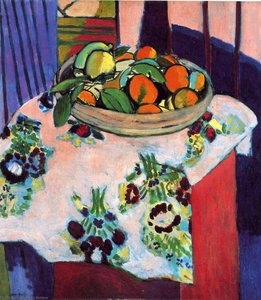
The painting immediately draws attention to the window—a recurring motif in Matisse’s oeuvre—which acts as a portal to an imagined landscape. Beyond this frame unfolds a scene of Mediterranean warmth: a palm tree ablaze with color, suggesting both vitality and a hint of drama. Within the room itself, a table becomes the focal point, adorned with a still life of oranges – symbols of abundance, joy, and the fleeting beauty of summer. These fruits aren’t rendered realistically; instead, they are simplified into bold shapes and vibrant hues, contributing to the painting's overall sense of abstraction. A bowl overflowing with more oranges echoes this principle, reinforcing the theme of visual delight and the celebration of simple pleasures.
Adding a layer of cultural intrigue is the Egyptian curtain itself – a rich appliqué textile that introduces an element of exoticism and historical reference. This deliberate inclusion speaks to Matisse’s lifelong fascination with global art traditions and his desire to synthesize diverse influences into a unified artistic vision. The curtain isn't just a decorative element; it acts as a visual anchor, grounding the scene while simultaneously hinting at distant lands and untold stories. The careful placement of the bird within the composition further enhances this sense of natural harmony and lively atmosphere, suggesting a connection between the interior space and the wider world.
While firmly rooted in Matisse's earlier Fauvist period – characterized by bold, non-naturalistic colors – “Interior with Egyptian Curtain” leans more heavily into Expressionism. This shift is evident in the artist’s deliberate use of color to convey emotion and inner experience rather than simply mimicking reality. The vibrant reds, yellows, and blues aren’t applied with a purely decorative intent; they pulsate with energy and imbue the scene with a palpable sense of warmth and optimism. Matisse's brushstrokes are loose and expressive, contributing to the painting’s dynamic quality and suggesting a process of spontaneous creation.
The simplification of forms—the reduction of objects to their essential shapes—is another key characteristic of this period in Matisse’s work. This technique, combined with his masterful use of color, creates a sense of visual harmony and balance while simultaneously conveying a powerful emotional impact. The painting's overall effect is one of joyful exuberance, reflecting Matisse’s own spirit and his belief in the transformative power of art.
"Interior with Egyptian Curtain” stands within a rich artistic lineage, echoing themes explored by artists like Chardin and Pissarro while simultaneously forging its own unique path. The influence of Japanese prints—particularly their emphasis on flattened perspective and decorative patterns—is subtly present in the painting’s composition. Furthermore, Matisse's work shares intriguing parallels with Mihai Olos’ “Curtain,” a contemporary conceptual piece that similarly investigates the symbolic potential of this fundamental architectural element.
The painting resides within the University of Iowa Museum of Art’s impressive collection of modern and contemporary art, alongside works by Henri Matisse himself and other prominent artists. This placement underscores the enduring significance of Matisse's contributions to the history of art and his continued relevance in the 21st century. It also invites viewers to consider Matisse’s work within a broader context—a global conversation about artistic expression and cultural exchange.
More than just a still life, “Interior with Egyptian Curtain” is a testament to Matisse's profound understanding of color theory and his ability to evoke emotion through simple forms. The painting’s luminous quality—achieved through his signature technique of layering thin glazes of paint—creates an almost ethereal effect, inviting the viewer to lose themselves in its vibrant depths. It represents a pivotal moment in Matisse’s career, marking a deepening engagement with Expressionist principles while retaining his distinctive Fauvist sensibility. This work exemplifies his belief that art should be joyful, accessible, and above all, liberating.
For a high-quality reproduction of “Interior with Egyptian Curtain,” please visit Most-Famous-Paintings.com. And for further exploration, consider visiting The University of Iowa Museum of Art: The University of Iowa Museum of Art (United States).
movement: Expressionism topics: Interior, Curtain, Orange, Bird, Egypt, Window, Color, Matisse creative_period: Mature Period corpus_context: Fauvist Color Palette, Cultural Exoticism, Egyptian Motif”, “Interior Space”, “Expressionist Emotion”, “Matisse’s Window Series”

1869 - 1954 , Franța
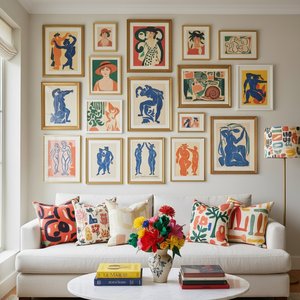
Descoperă cele mai emblematice 25 de opere ale lui Henri Matisse! Explorează fauvismul, culorile vibrante și stilul unic al artistului francez. Reproduceri tablouri de calitate muzeală & inspirație pentru decor pe Most-Famous-Paintings.com.

Descoperă Top 10 capodopere fauviste – Matisse, Derain și alți maeștri ai culorii! Explorează istoria, tehnicile și expresivitatea picturilor fauve. Reproduceri de artă de calitate muzeală pe Most-Famous-Paintings.com. Inspiră-te pentru decorul tău!
Descoperă Top 10 capodopere fauviste – Matisse, Derain și alți maeștri ai culorii! Explorează istoria artei moderne, tehnicile îndrăznețe și emoția vibrantă din picturile fauviste. Reproduceri de artă premium pe Most-Famous-Paintings.ro

Explore the revolutionary art of Henri Matisse! Discover his bold use of color, Fauvist origins, and lasting impact on modern painting. A comprehensive guide for art enthusiasts.

Explore the revolutionary Fauvism movement & Henri Matisse's bold use of color! Discover key characteristics, iconic artworks, and its lasting impact on modern art history with Most-Famous-Paintings.


Rămâneți la curent cu cele mai recente știri din lumea artei, ofertele noastre exclusive și ideile de decor.
Spuneți-ne despre proiectul dumneavoastră, iar experții noștri în artă vă vor oferi 3 sugestii personalizate.
Vom selecta 3 opțiuni special pentru tine – Gratuit!


 Vezi în context
 Trimite prin felicitare
 Distribuie
 Detalii

 Descarcă imaginea
 Produse similare
 Radiografie
 Galerie foto
 Citește mai mult







 Opțiunea cu sticlă este disponibilă doar pentru dimensiuni sub 110 cm