


x

 Olje na platnuStenska umetnostExpressionism
 1948Moderna doba
 116.0 x 89.0 cm
Ročno slikano olje na platnu v vaši izbiri velikosti in okvirja, izdelano po naročilu naših umetnikov. ( Kupi tisk Kupi digitalno sliko)





























Izberite eno od naših vnaprej določenih velikosti, ki ustrezajo prvotnim proporcijam umetničkega dela.

Svoje dimenzije lahko vnesete tako, da se prilagodite določenemu okvirju ali prostoru. Če izbrana velikost ne ustreza razmerjem originalne slike, bomo umetniško delo obrezali ali sliko dopolnili z dodatnimi ročno naslikanimi elementi. Pred začetkom proizvodnje vam bo poslan digitalni osnutek v odobritev.
Upoštevajte, da predogled na zaslonu ne odraža dejanskega obrezovanja ali podaljšanja. Le osnutek bo natančno prikazal končno kompozicijo.
Čeprav so na voljo velikosti po meri, priporočamo izbiro dimenzije s preddefiniranega seznama, da ohranimo originalne razmere.
Svetska dostava () za 3/4 nedelje umesto uobičajenih 5 nedelja. (23 avgust). Bez kompromisa po pitanju kvaliteta.


Interior with Egyptian Curtain
Velikost reprodukcije
Henri Matisse's "Interior with Egyptian Curtain," painted in 1948, isn’t merely a depiction of a room; it’s an immersion into a carefully constructed world of color, light, and subtly layered symbolism. This captivating work, measuring 116 x 89 cm in oil on canvas, exemplifies the culmination of Matisse's lifelong exploration of form, emotion, and the transformative power of visual language. Moving beyond the constraints of traditional representation, he crafts a space that feels both familiar and utterly dreamlike, inviting the viewer into an intimate dialogue with its vibrant elements.
The painting immediately draws attention to the window—a recurring motif in Matisse’s oeuvre—which acts as a portal to an imagined landscape. Beyond this frame unfolds a scene of Mediterranean warmth: a palm tree ablaze with color, suggesting both vitality and a hint of drama. Within the room itself, a table becomes the focal point, adorned with a still life of oranges – symbols of abundance, joy, and the fleeting beauty of summer. These fruits aren’t rendered realistically; instead, they are simplified into bold shapes and vibrant hues, contributing to the painting's overall sense of abstraction. A bowl overflowing with more oranges echoes this principle, reinforcing the theme of visual delight and the celebration of simple pleasures.
Adding a layer of cultural intrigue is the Egyptian curtain itself – a rich appliqué textile that introduces an element of exoticism and historical reference. This deliberate inclusion speaks to Matisse’s lifelong fascination with global art traditions and his desire to synthesize diverse influences into a unified artistic vision. The curtain isn't just a decorative element; it acts as a visual anchor, grounding the scene while simultaneously hinting at distant lands and untold stories. The careful placement of the bird within the composition further enhances this sense of natural harmony and lively atmosphere, suggesting a connection between the interior space and the wider world.
While firmly rooted in Matisse's earlier Fauvist period – characterized by bold, non-naturalistic colors – “Interior with Egyptian Curtain” leans more heavily into Expressionism. This shift is evident in the artist’s deliberate use of color to convey emotion and inner experience rather than simply mimicking reality. The vibrant reds, yellows, and blues aren’t applied with a purely decorative intent; they pulsate with energy and imbue the scene with a palpable sense of warmth and optimism. Matisse's brushstrokes are loose and expressive, contributing to the painting’s dynamic quality and suggesting a process of spontaneous creation.
The simplification of forms—the reduction of objects to their essential shapes—is another key characteristic of this period in Matisse’s work. This technique, combined with his masterful use of color, creates a sense of visual harmony and balance while simultaneously conveying a powerful emotional impact. The painting's overall effect is one of joyful exuberance, reflecting Matisse’s own spirit and his belief in the transformative power of art.
Beyond its purely aesthetic qualities, “Interior with Egyptian Curtain” is rich in symbolic meaning. The oranges themselves represent prosperity and good fortune – a recurring motif in Matisse's work, reflecting his optimistic worldview. The Egyptian curtain, far from being merely decorative, evokes notions of ancient civilizations, mystery, and the allure of the unknown. It’s a deliberate nod to Matisse’s deep appreciation for diverse cultures and his desire to create a universal language of art. The window, as a recurring element in Matisse's oeuvre, symbolizes both vision and escape – inviting the viewer to step into another world.
Painted in 1948, this work represents a pinnacle of Matisse’s artistic achievement. It showcases his unparalleled ability to manipulate color and form to evoke emotion and create a sense of visual delight. “Interior with Egyptian Curtain” is more than just a painting; it's an experience – a journey into a world of vibrant beauty and timeless elegance. Its enduring appeal lies in its ability to transport the viewer to another place, inviting contemplation and inspiring a profound appreciation for the power of art.


1869 - 1954 , Francija
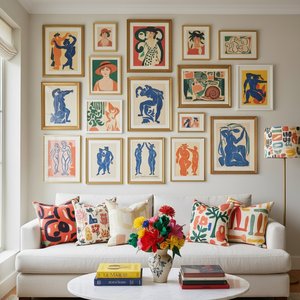
Odkrijte 25 mojstrovskih del Henrija Matissea! Preučite fauvizem, barvite kompozicije in zgodbe za ikoničnimi slikami. Najdite popolno umetniško reprodukcijo za vaš dom na Most-Famous-Paintings.com.

Explore 10 Fauvist masterpieces by Matisse, Derain & Vlaminck that ignited Modern Art! Discover bold colors, expressionist landscapes & the history of this revolutionary movement. Find museum-quality prints at Most-Famous-Paintings.com.
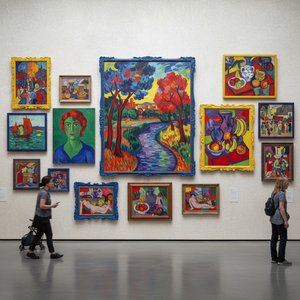
Odkrijte 10 mojstrovin fovizma – Matisse, Derain & več! Raziskujte izrazito barvo in umetniške tehnike, ki so definirale to revolucionarno umetnostno gibanje. Najdite navdih za notranji dizajn in vrhunske reprodukcije slik na Most-Famous-Paintings.com!

Explore the revolutionary art of Henri Matisse! Discover his bold use of color, Fauvist origins, and lasting impact on modern painting. A comprehensive guide for art enthusiasts.

Explore the revolutionary Fauvism movement & Henri Matisse's bold use of color! Discover key characteristics, iconic artworks, and its lasting impact on modern art history with Most-Famous-Paintings.


Bodite na sešte, s najnovejšimi novicami iz sveta umetnosti, ekskluzivnimi ponudbami in idejami za dekoracijo.
Povejte nam o svojem projektu in naši strokovnjaki za umetnost vam bodo pripravili 3 prilagojene predloge umetniških del.
Naj vam izberemo 3 možnosti – popolnoma brezplačno!


 Predogled
 Pošlji
 Deli
Deli
 Podrobnosti o delu

 Prenesi
 Podobni izdelki
 Rentgenski posnetek
 Predvajaj diaporama
 Razviljaj več







 Možnost stekla je na voljo le za velikosti pod 110 cm


