


x

 Akril na platnuStenska umetnostRomanticism
 1797
1797 365.0 x 320.0 cm
 Hermitage Museum
Ročno slikano olje na platnu v vaši izbiri velikosti in okvirja, izdelano po naročilu naših umetnikov. ( Switch to Print Preklop na sliko)





























Izberite eno od naših vnaprej določenih velikosti, ki ustrezajo prvotnim proporcijam umetničkega dela.

Svoje dimenzije lahko vnesete tako, da se prilagodite določenemu okvirju ali prostoru. Če izbrana velikost ne ustreza razmerjem originalne slike, bomo umetniško delo obrezali ali sliko dopolnili z dodatnimi ročno naslikanimi elementi. Pred začetkom proizvodnje vam bo poslan digitalni osnutek v odobritev.
Upoštevajte, da predogled na zaslonu ne odraža dejanskega obrezovanja ali podaljšanja. Le osnutek bo natančno prikazal končno kompozicijo.
Čeprav so na voljo velikosti po meri, priporočamo izbiro dimenzije s preddefiniranega seznama, da ohranimo originalne razmere.
Svetska dostava () za 3/4 nedelje umesto uobičajenih 5 nedelja. (8 avgust). Bez kompromisa po pitanju kvaliteta.


Projekt dekoracije triumfalnega rdečega vrata v Moskvi
Velikost reprodukcije

Born in the serene landscape of Longarone, Italy, in 1751, Pietro di Gottardo Gonzaga emerged as a singular force within the Venetian artistic tradition. While many of his contemporaries sought the patronage of grand ecclesiastical institutions or the opulent halls of Italian palaces, Gonzaga carved out a niche that bridged the gap between architectural precision and theatrical enchantment. His early life was deeply rooted in the tactile world of art; as the son of the painter and sculptor Giovanni Battista Gonzaga, he was raised amidst the scent of pigments and the dust of marble. This familial immersion provided him with a foundational mastery of form and light, which he would later refine under the guidance of Giuseppe Bolognese, a master of chiaroscuro whose influence is visible in the dramatic shadows and luminous depths of Gonzaga’s most celebrated works.
As his career matured, Gonzaga’s artistry transcended simple representation, evolving into what he himself poetically described as "music for the eyes." This philosophy—the idea that perspective and visual composition could mirror the emotional fluctuations of a musical score—became the heartbeat of his creative output. He was not merely a painter but a master of trompe-l’œil, an artist capable of deceiving the eye through the sheer brilliance of his technical skill. His work often functioned as a bridge between reality and fantasy, particularly in his renowned stage designs. Whether working in Italy or later within the Russian Empire, Gonzaga possessed the uncanny ability to manipulate space, using pen, ink, and wash to create architectural vistas that felt both monumentally solid and ethereally dreamlike.
The breadth of Gonzaga’s oeuvre is a fascinating study in duality, ranging from the rigorous technicality of architectural studies to the sweeping grandeur of imperial celebrations. His sketches for temple designs and religious iconography reflect the Enlightenment's reverence for classical antiquity and humanist ideals. In these works, one finds a profound engagement with the principles of Andrea Palladio, as he sought to revive the dignity of ancient Roman structures through meticulous detail and balanced composition. His contributions to San Pietro Martire in Venice stand as enduring testaments to this period, where his frescoes breathed life into sacred spaces through dynamic narratives and a luminous palette.
However, it was perhaps in the realm of the theatrical and the monumental that Gonzaga’s imagination truly soared. His designs for the Russian court, particularly during the reign of Emperor Paul I, showcased an ambitious vision of imperial splendor. Notable achievements include:
Ultimately, the historical significance of Pietro di Gottardo Gonzaga lies in his ability to harmonize the technical demands of an architect with the emotive power of a storyteller. He did not merely document the world; he reimagined it through a lens of classical beauty and theatrical wonder. Even as the centuries have passed, his "music for the eyes" continues to resonate, inviting viewers to step through the thresholds of his imagined temples and into a realm where art and architecture become one.

1751 - 1831 , Italy

Odkrijte 25 ikoničnih umetnin Metropolitanskega muzeja v New Yorku! Preberite zgodbe Van Gogha, Moneta in drugih mojstrov. Reprodukcije slik za vaš dom – ekskluzivno na Most-Famous-Paintings.com.

Odkrijte 25 mojstrovih del Detroit Institute of Arts! Preberite zgodbe Van Gogha, Moneta in Rembrandta. Reprodukcije slik za vaš dom – navdih & dekoracija. Raziščite celotno zbirko na Most-Famous-Paintings.com.
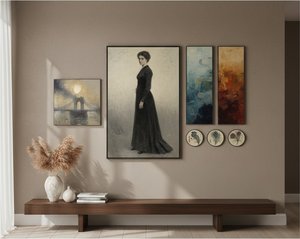
Odkrijte 25 mojstrovskih del Jamesa Abbotta McNeilla Whistlerja! Preučite zgodbe, tehnike in navdih za njegove ikonične nocturne, portrete in dela estetizma. Najboljše reprodukcije slik online na Most-Famous-Paintings.com – umetnost za vaš dom.

Odkrijte 25 ikoničnih del Narodne Galerije Washingtona! Cézanne, Matisse, Picasso in drugi slikarji. Zgodbe umetnosti, tehnike ter navdih za dekoracijo doma z reprodukcijami vrhunske kakovosti na Most-Famous-Paintings.com.
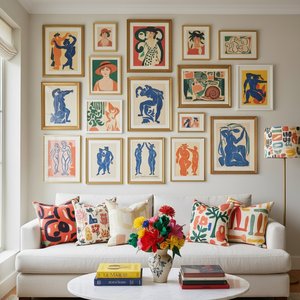
Odkrijte 25 mojstrovskih del Henrija Matissea! Preučite fauvizem, barvite kompozicije in zgodbe za ikoničnimi slikami. Najdite popolno umetniško reprodukcijo za vaš dom na Most-Famous-Paintings.com.


Bodite na sešte, s najnovejšimi novicami iz sveta umetnosti, ekskluzivnimi ponudbami in idejami za dekoracijo.
Povejte nam o svojem projektu in naši strokovnjaki za umetnost vam bodo pripravili 3 prilagojene predloge umetniških del.
Naj vam izberemo 3 možnosti – popolnoma brezplačno!


 Predogled
 Pošlji
 Deli
Deli
 Podrobnosti o delu

 Prenesi
 Podobni izdelki
 Rentgenski posnetek
 Predvajaj diaporama
 Razviljaj več







 Možnost stekla je na voljo le za velikosti pod 110 cm


